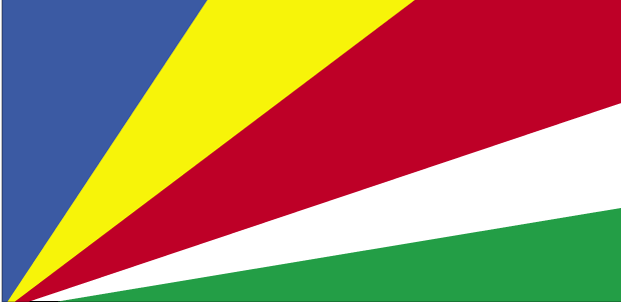
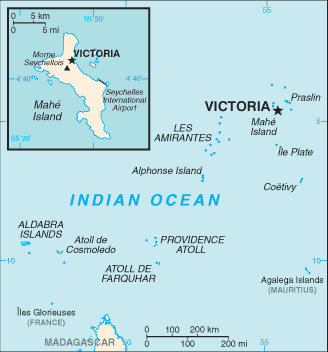
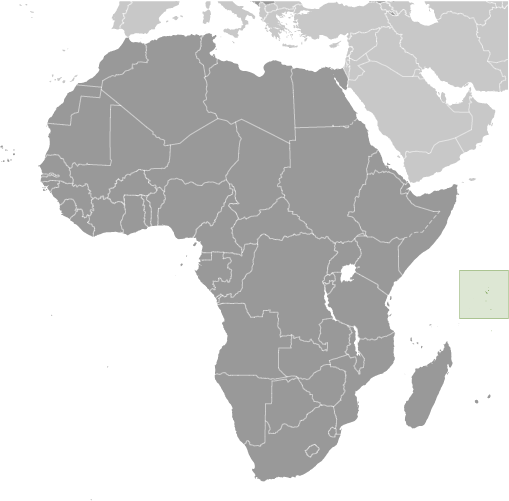
Learning about Seychelles' geography is pivotal because it helps your K-12 students understand how a small island nation can be a global leader in conservation and tourism. Seychelles is an archipelago of 115 islands in the Indian Ocean, located about 1,000 miles off the coast of East Africa. The islands are divided into two groups: the granitic inner islands, which are the oldest ocean islands in the world, and the coral outer islands. The climate is tropical, warm year-round, with sea breezes keeping temperatures comfortable.
Studying Seychelles builds key geographic skills. Your students can explore how granite and coral islands form differently, and how isolation shapes unique wildlife. Seychelles is home to species found nowhere else, like the coco de mer palm and the Aldabra giant tortoise. Students can also learn how tourism and fishing drive the economy, and how the country protects nearly half its territory as marine reserves, making it a model for ocean conservation.
The country's cultural geography blends African, European, and Asian influences, seen in its Creole language, music, and food. For young learners, Seychelles is memorable because of its beaches, giant tortoises, and coral reefs. Studying it builds map skills, cultural awareness, and understanding of how geography shapes island life and environmental stewardship.
|