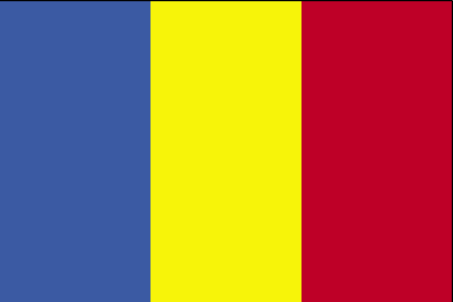
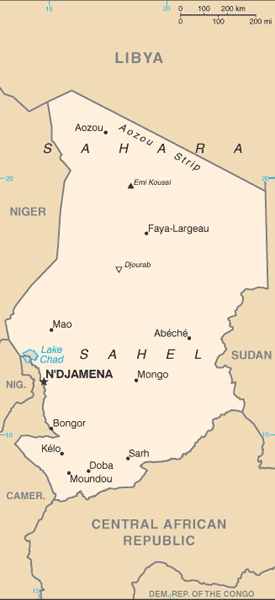
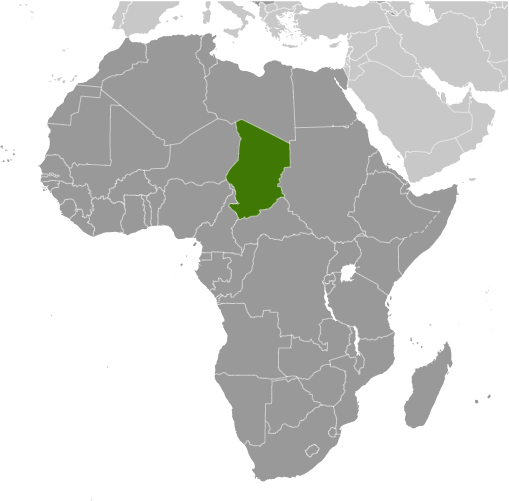
Learning about Chad's geography is pivotal. Why? Because it helps your K-12 students understand how a landlocked country in the heart of Africa survives with limited resources and a harsh environment. Chad sits in north-central Africa, bordered by Libya, Sudan, the Central African Republic, Cameroon, Nigeria, and Niger. It has no coastline, so trade depends on roads and neighbors. The country stretches from the Sahara Desert in the north to savanna and wetlands in the south. This range creates very different ways of life, from desert herding to farming near Lake Chad.
Studying Chad builds key geographic skills. Your students can explore how desert, savanna, and lake environments shape where people live and how they make a living. They can also learn how Lake Chad, once one of Africa's largest lakes, has shrunk dramatically, showing how climate change and water use affect millions of people. Chad's economy depends on oil, livestock, and agriculture, connecting it to global markets.
The country's cultural geography is rich, with over 200 ethnic groups and languages, including Arab, Sara, and Kanembu. For younger learners, Chad is memorable because of the Sahara, Lake Chad, and its wildlife, including elephants and antelopes. Studying it builds map skills, cultural awareness, and understanding of how geography shapes a nation's challenges and opportunities.
|