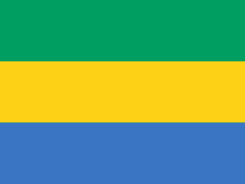
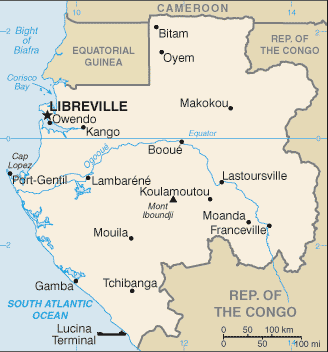
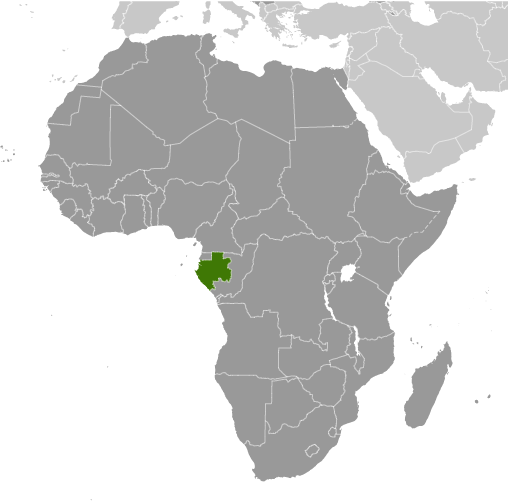
Learning about Gabon's geography is pivotal because it helps your K-12 students understand how a small country can play a big role in global environmental health. Gabon sits in Middle Africa on the Atlantic coast, bordered by Equatorial Guinea, Cameroon, and the Republic of the Congo. It sits right on the equator, so it has a hot, humid climate with heavy rainfall. Rainforests cover about eighty-five percent of the country, making Gabon one of the most forested nations on Earth. The Ogooué River runs through the country and supports wildlife and transportation.
Studying Gabon builds key geographic skills. Your students can explore how equatorial climate supports dense rainforests and incredible biodiversity, including forest elephants and gorillas. They can also learn how oil, timber, and manganese connect Gabon to global markets, and how the country created national parks to protect its forests. Gabon's efforts to balance resource use with conservation make it a compelling case study in environmental geography.
The country's cultural geography is rich, with over forty ethnic groups, including the Fang and Myene. French is the official language, and music and masks are important traditions. For your younger pupils, Gabon is memorable because of its rainforests, wildlife, and conservation leadership. Studying it builds map skills, cultural awareness, and understanding of how geography shapes a nation's environmental choices.
|