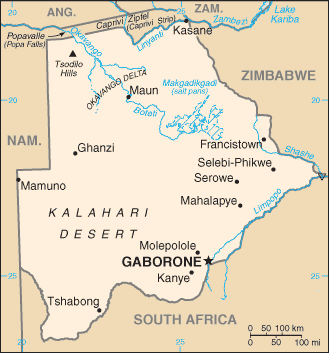
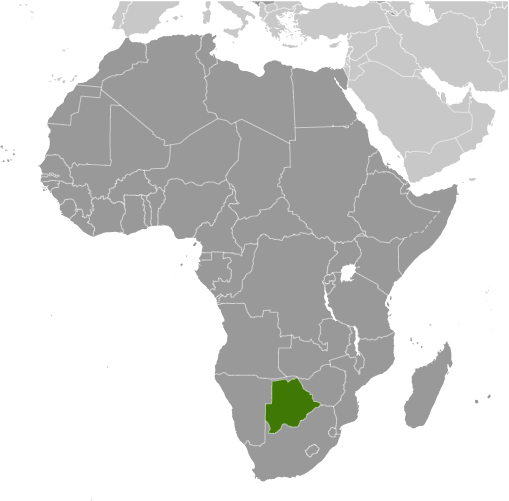
Learning about Botswana's geography is important because it helps your K-12 students understand how a country can turn a harsh environment into success. Botswana sits in southern Africa, bordered by Namibia, Zambia, Zimbabwe, and South Africa. It is landlocked, meaning it has no coastline. Most of the country is covered by the Kalahari Desert, which is dry and sandy. In the northwest, the Okavango River spreads into a huge inland delta, creating wetlands full of wildlife. This delta is one of the most famous natural areas in Africa.
Studying Botswana builds key geographic skills. Your K-12 students can explore how desert and delta environments support different plants and animals, and why people live where they do. They can also learn how diamonds were discovered after independence in 1966 and changed the country's economy. Botswana used its diamond wealth to build schools, roads, and hospitals, making it a rare example of good resource management in Africa.
The country's cultural geography is rich, with the Tswana people and other groups speaking many languages. For your younger learners, Botswana is memorable because of the Okavango Delta, elephants, and its success story. Studying it builds map skills, cultural awareness, and understanding of how geography shapes a nation's future.
|