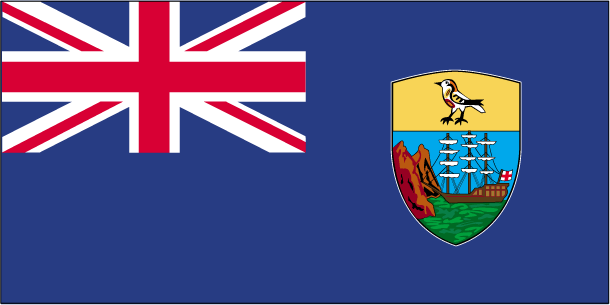
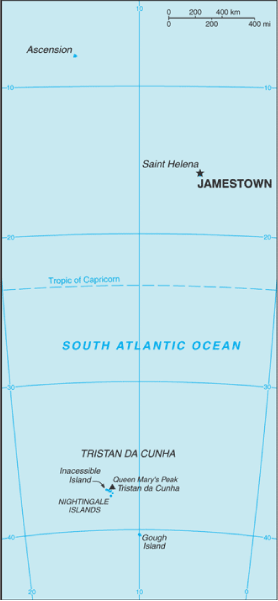
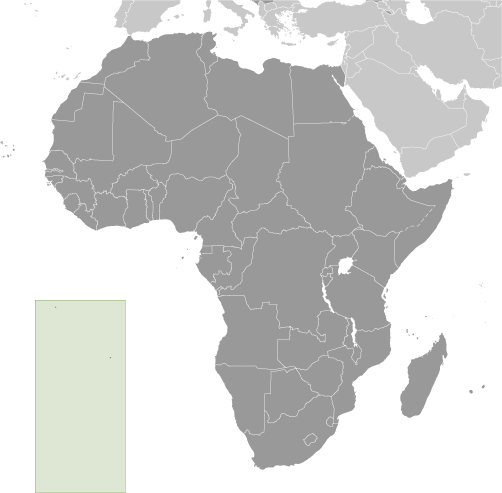
Learning about Saint Helena, Ascension, and Tristan da Cunha is important because these remote islands offer powerful lessons in geography, isolation, and global connections. This British Overseas Territory is scattered across the South Atlantic Ocean, thousands of miles from any continent. Saint Helena is famous as Napoleon's place of exile after his defeat at Waterloo. Ascension Island sits farther north and serves as a key military and communications base. Tristan da Cunha is the most remote inhabited island on Earth, reachable only by a long sea voyage.
Studying these islands builds geographic skills. Your K-12 students can explore how extreme isolation shapes daily life, including limited supplies, small populations, and reliance on ships and aircraft. They can also examine volcanic landscapes, ocean currents, and unique wildlife like seabirds and seals. Saint Helena's airport, opened in 2017, shows how technology can reduce isolation and change a place's future.
The territory also connects to world history. Napoleon's exile made Saint Helena globally known, while Ascension played roles in both World Wars and the Falklands conflict. For your young learners, these islands are fascinating because of their remoteness and dramatic stories. Studying them builds map skills, curiosity about extreme places, and understanding of how geography influences history, communication, and human resilience.
|