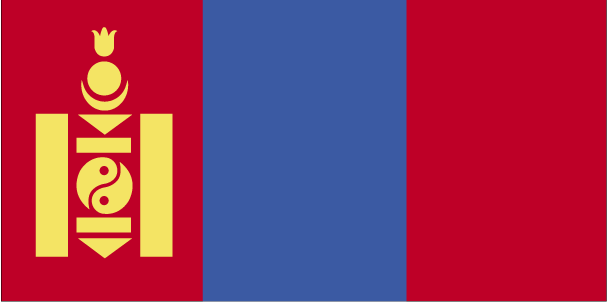
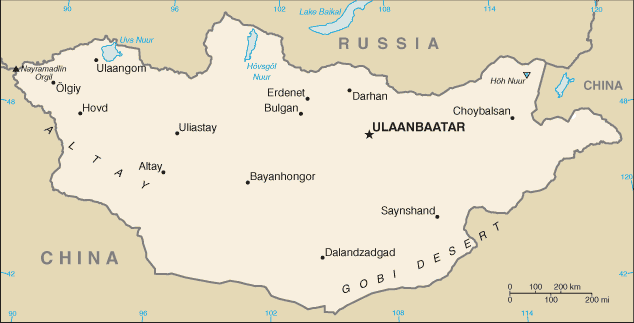
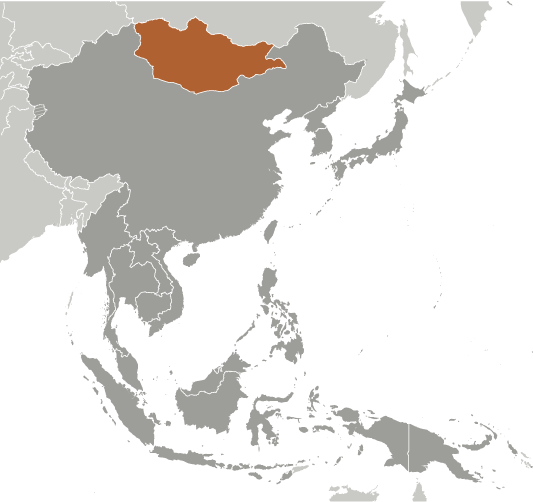
Learning about Mongolia's geography is helpful because it shows K-12 students how a vast, landlocked country can be defined by open grasslands and extreme climate. Mongolia sits in East and Central Asia, bordered by Russia to the north and China to the south. It has no coastline, so trade depends on its neighbors. The country is famous for the Gobi Desert in the south and rolling steppes across the center and north. These grasslands support traditional nomadic herding of horses, sheep, goats, and camels. Ulaanbaatar, the capital, is one of the coldest capital cities in the world.
Studying Mongolia builds key geographic skills. Students can explore how a continental climate creates hot summers and freezing winters, and how that shapes where people live and how they make a living. They can also learn how Mongolia's minerals, including copper and coal, connect it to global markets. The steppes and deserts support rare wildlife like snow leopards and wild horses.
The country's cultural geography is rich, with nomadic traditions, throat singing, and the Naadam festival. For young learners, Mongolia is memorable because of its vast open spaces, yurts, and horseback culture. Studying it builds map skills, cultural awareness, and understanding of how geography shapes a nation's identity and way of life.
|