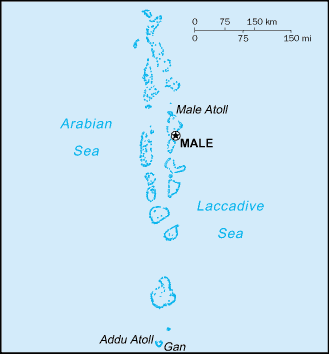
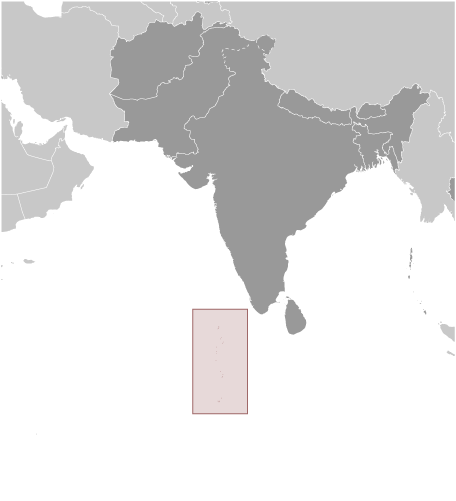
Learning about Maldives' geography is helpful because it shows K-12 students how a nation of tiny coral islands faces some of the world's most urgent climate challenges. Maldives sits in the Indian Ocean, southwest of India and Sri Lanka. It is made up of about 1,200 coral islands grouped into atolls, and it is the smallest country in Asia by land area. Most islands are very low, with average elevations of only a few feet above sea level, making Maldives the lowest-lying country on Earth.
Studying Maldives builds key geographic skills. Students can explore how coral atolls form from volcanic islands and how ocean currents shape reefs. They can also learn how tourism and fishing drive the economy, and how rising sea levels threaten to flood the islands. Maldives has become a global voice for climate action, showing how geography connects to environmental policy.
The country's cultural geography blends South Asian, Arab, and African influences, seen in its Dhivehi language, music, and food. For young learners, Maldives is memorable because of its beaches, coral reefs, and colorful fish. Studying it builds map skills, cultural awareness, and understanding of how geography shapes a nation's opportunities and vulnerabilities in a changing world.
|