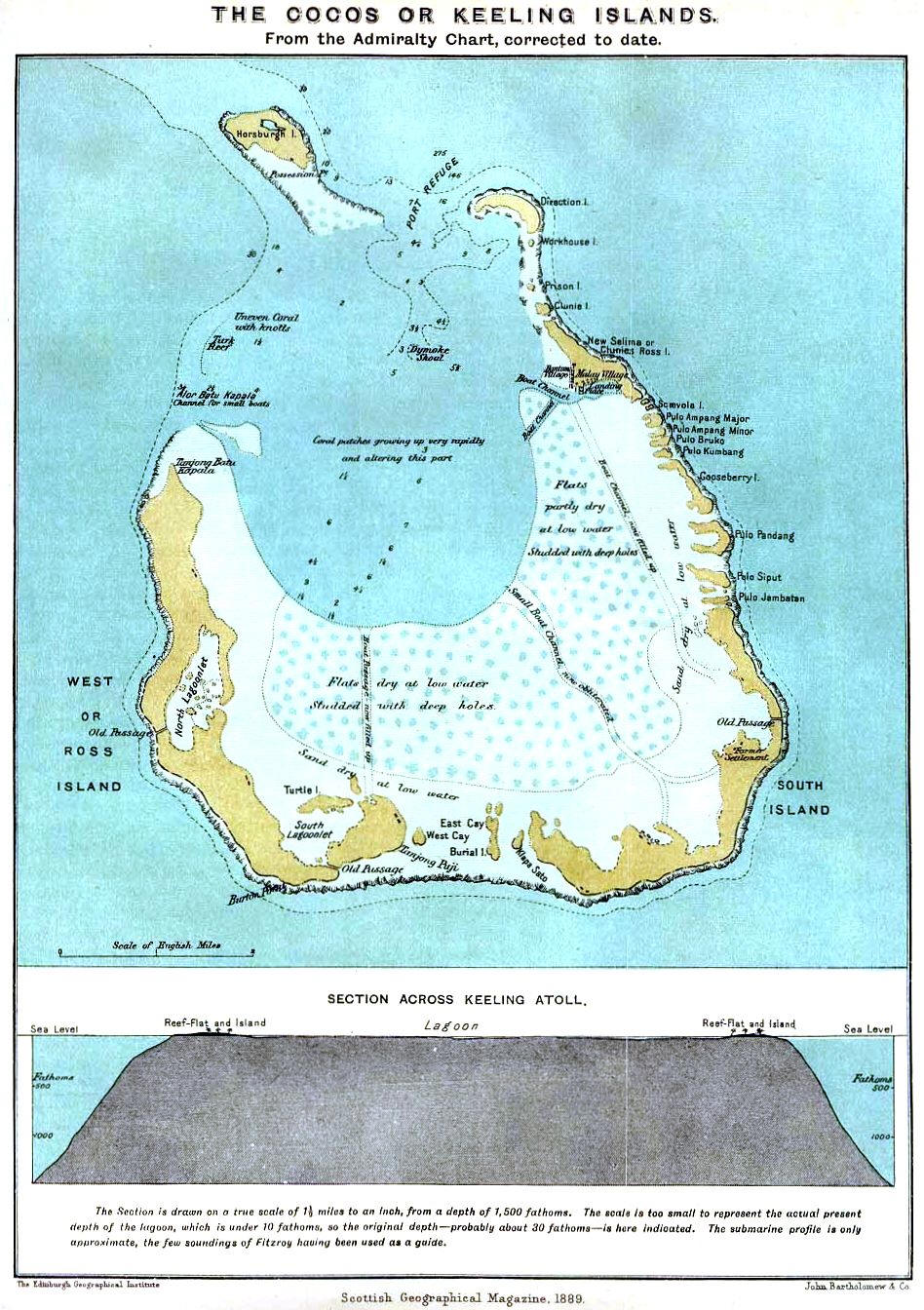
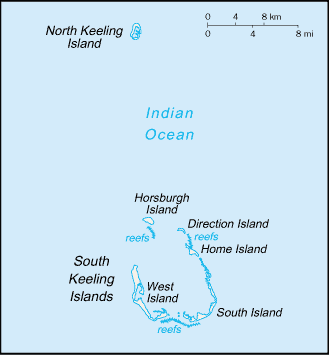
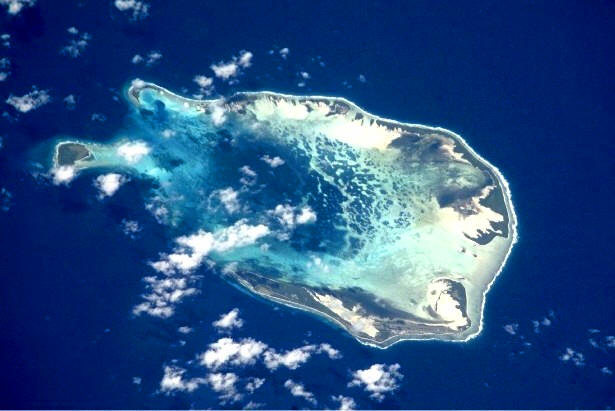
Learning about the Cocos (Keeling) Islands is beneficial because it shows K-12 students how tiny coral atolls can hold rich lessons about geography, culture, and global connections. This Australian territory sits in the Indian Ocean, about 1,700 miles northwest of Australia and closer to Indonesia. It is made up of two atolls and twenty-seven coral islands, with most people living on Home Island and West Island. The islands are flat, sandy, and surrounded by turquoise lagoons and coral reefs.
Studying the Cocos Islands builds key geographic skills. Students can explore how coral atolls form on top of sinking volcanic islands and how ocean currents shape reefs and beaches. They can also learn how the islands' remoteness affects trade, transportation, and daily life. Cocos lies near important shipping lanes, giving it strategic value far beyond its small size.
The islands' cultural geography is rich, with a unique blend of Malay and European traditions. Most residents are Cocos Malays, descended from workers brought in the 1800s to harvest coconuts. Their language, food, and festivals reflect this heritage. For young learners, the Cocos Islands are memorable because of their coral reefs, coconut palms, and isolated setting. Studying them builds map skills, cultural awareness, and understanding of how geography shapes small island communities and their ties to the wider world.
|