Teaching about Akrotiri is beneficial because it gives K-12 students a rare case study in how geography, military power, and environmental protection intersect in one small place.
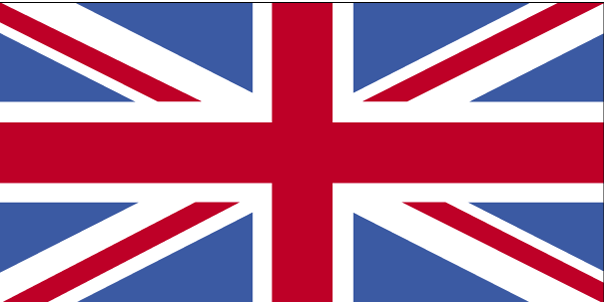
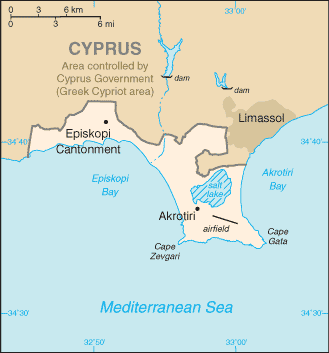
Akrotiri is a peninsula on the southwest coast of Cyprus that serves as a British Sovereign Base Area. It covers about 123 square kilometers and includes a salt lake and wetlands. The area has a Mediterranean climate with hot, dry summers and mild winters.
What makes Akrotiri especially valuable for teachers is its ecological significance. The salt lake and wetlands form the largest aquatic system in Cyprus and are protected under the Ramsar Convention. The site supports endangered loggerhead and green turtles, hosts the only remaining griffon vulture colony on the island, and serves as a critical stopover for migrating birds. The Akrotiri Environmental Education Centre offers free programs for primary and secondary students, including field studies on sea turtles, wetlands, and coastal ecosystems.
Akrotiri also raises important questions about sovereignty. The UK retained the base after Cyprus gained independence in 1960, and it has been used for military operations in the region. For young learners, Akrotiri is memorable because it combines turtles, wetlands, and geopolitics in a single, compact place. Studying it builds map skills, environmental awareness, and understanding of how geography shapes international relations.
|