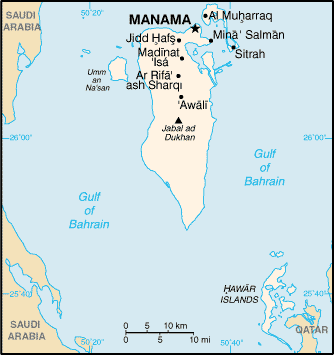
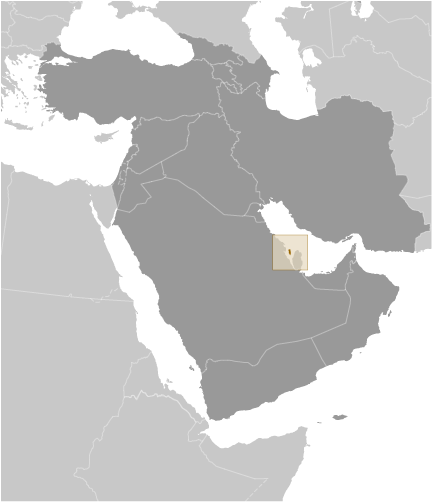
Teaching about Bahrain is beneficial because it shows K-12 students how a tiny island nation in the Persian Gulf can use its location and resources to build a modern economy. Bahrain is an archipelago of about thirty islands off the coast of Saudi Arabia in the Middle East. The main island is connected to Saudi Arabia by a causeway. The climate is hot and dry, with very little rainfall, so fresh water is scarce. Despite this, Bahrain has grown into a banking and financial center.
Studying Bahrain builds key geographic skills. Students can explore how desert climate limits farming and how the country relies on desalination for drinking water. They can also learn how oil and natural gas shaped its economy, and how Bahrain diversified into finance, aluminum, and tourism. Pearling was once a major industry, and the country's pearl beds are now a UNESCO World Heritage Site.
The country's cultural geography is rich, with a mix of Arab, Persian, and South Asian influences. Islam shapes daily life, and traditional markets and forts stand alongside modern skyscrapers. For young learners, Bahrain is memorable because of its pearl history, desert setting, and island geography. Studying it builds map skills, cultural awareness, and understanding of how geography shapes a small nation's economy and identity in the Gulf.
|