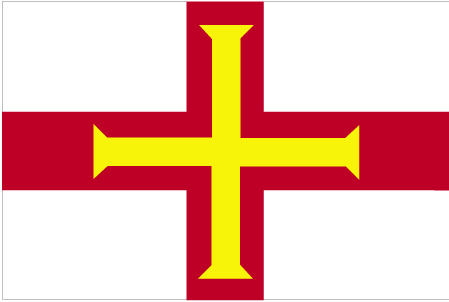
Teaching about Guernsey is beneficial because it shows K-12 students how a small island in the English Channel can have a distinct identity shaped by its location, coastline, and history. Guernsey is a British Crown Dependency, meaning it is not part of the United Kingdom but is defended by it. The island sits near France's Normandy coast and has a mild climate warmed by ocean currents, allowing flowers, tomatoes, and grapes to grow. Its coastline features cliffs, sandy bays, and hidden coves.
Studying Guernsey builds key geographic skills. Students can explore how tides and currents shape island life, and how the island's location between England and France influenced its culture and trade. They can also learn how farming, tourism, and finance support the economy, and how Guernsey became a tax haven. During World War II, the island was occupied by Germany, showing how geography can make small places strategically important.
The island's cultural geography blends Norman French and English traditions, seen in its place names, Guernésiais language, and festivals. For young learners, Guernsey is memorable because of its cows, which produce famous Guernsey milk, and its Castle Cornet. Studying it builds map skills, cultural awareness, and understanding of how geography shapes island communities.
|