


| Ireland Image Gallery for K-12 Education |
|---|
| www.studenthandouts.com ↣ Geography ↣ Europe ↣ Northern Europe ↣ Ireland Geography Educational Resources |
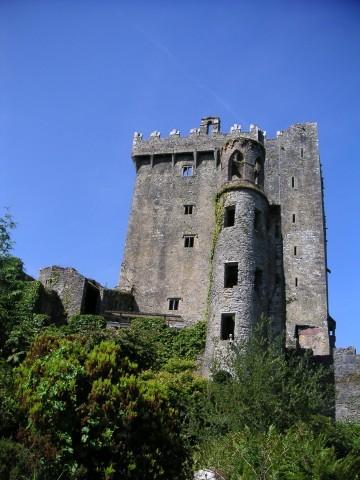 Blarney Castle, near Cork, Ireland, was built in the 15th century and houses the famed Stone of Eloquence (the Blarney Stone).
It has a huge square tower with a massive parapet, and a lookout tower. The castle was the stronghold of the McCarthys. 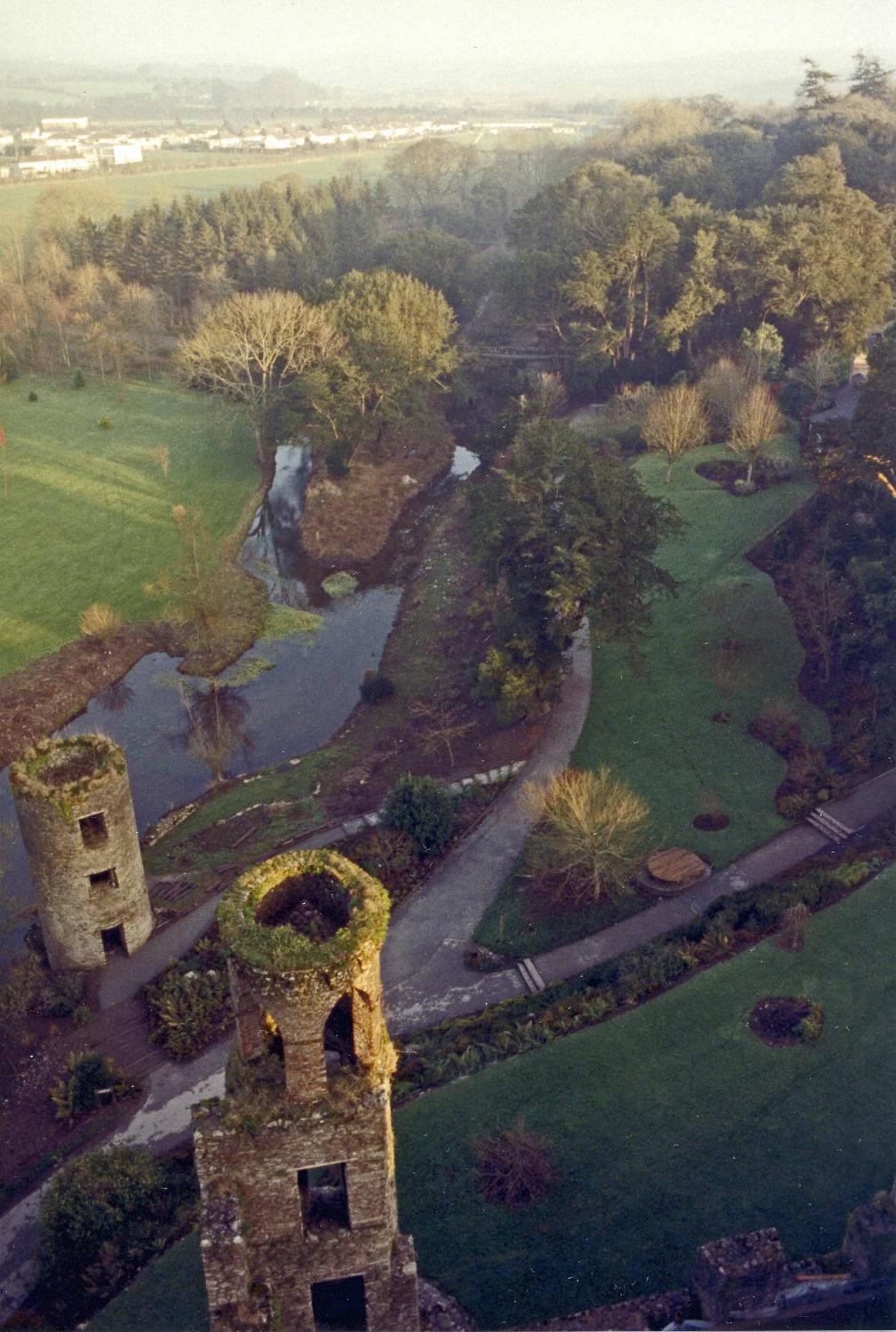 View of the park in the mist outside of Blarney Castle, near Cork, Ireland.
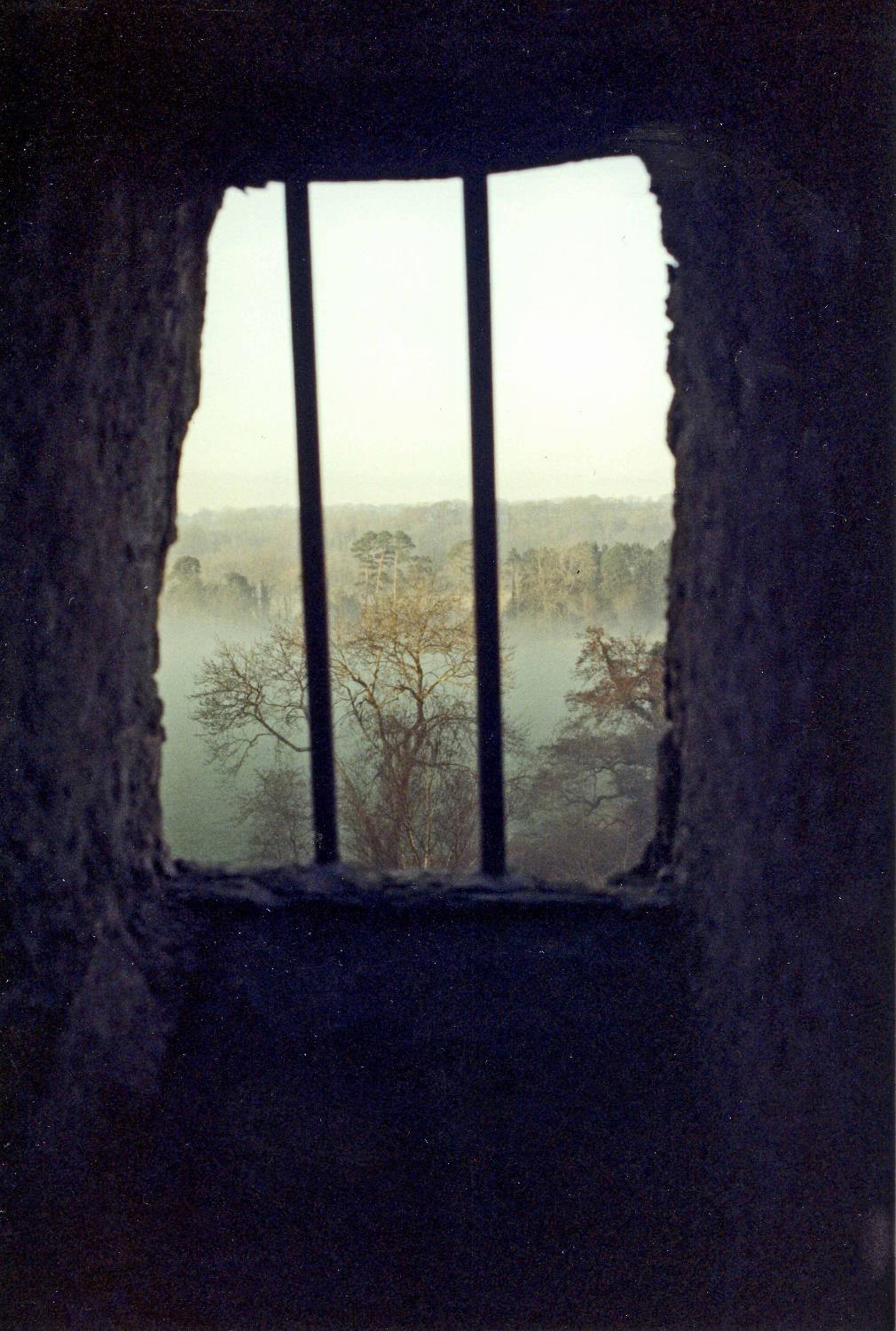 Blarney Castle is a very popular Irish tourist destination.
Blarney Castle is a medieval stronghold in County Cork, Ireland, built nearly 600 years ago. It is famous for the Blarney Stone, which visitors kiss to gain the gift of eloquence. The castle sits among lush gardens and attracts tourists from around the world. 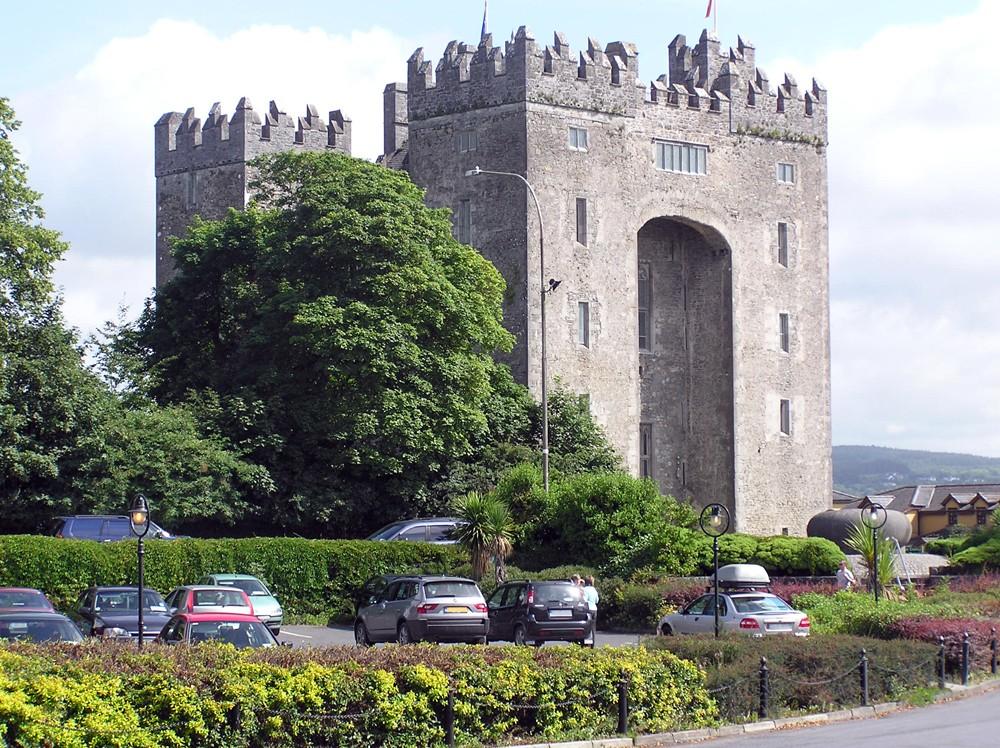 Bunratty Castle in County Clare, Ireland. The area was first settled as a Viking village in the 10th century (Middle Ages). Several castles and fortifications were subsequently built there. The present structure was completed by the MacNamara family circa 1425.
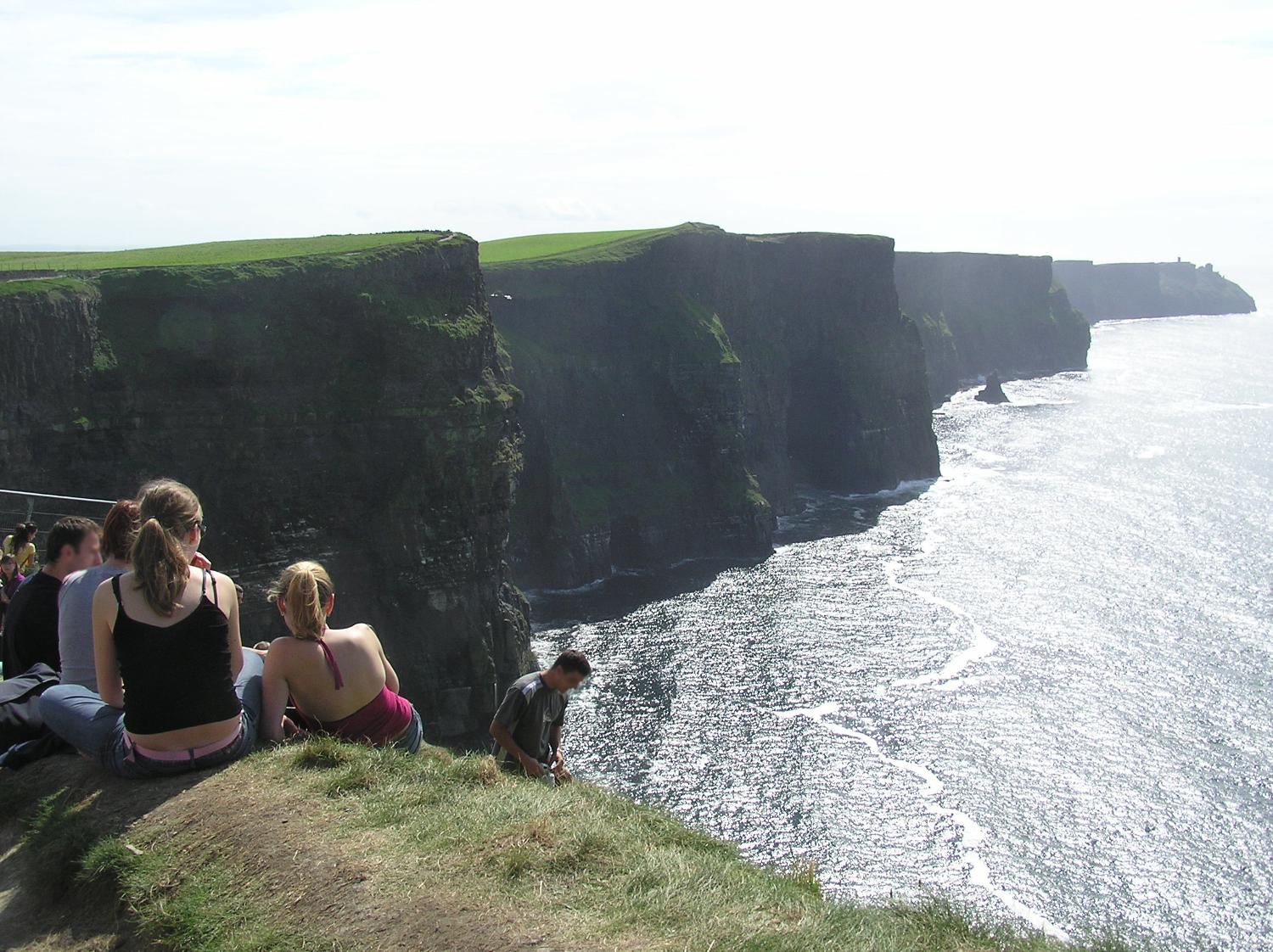 The Cliffs of Moher, along the Atlantic coast, are one of the most popular tourist destinations in Ireland. This view looks south towards Hag's Head, where the cliffs rise to 120 meters (394 feet).
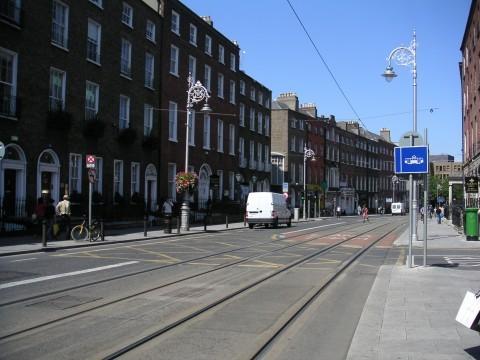 Dublin, Ireland, street scene.
Dublin, originally founded by the Vikings, is the capital city of the Republic of Ireland. 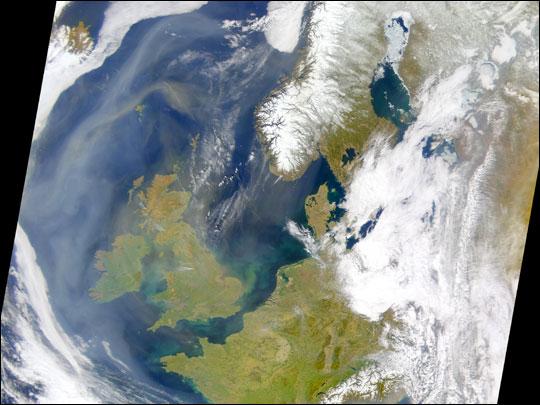 View of Ireland from Space: Dust from North Africa mingled with other aerosols in the skies over the United Kingdom (left of center) and Ireland (farther west) on April 18, 2003. In this scene, the dust is more prominent to the north over the Atlantic, where it can be seen as a tan swirl west of Norway. West of Ireland, the haze is grayer, and is more likely pollution. In the United Kingdom, a few bright plumes of white could be associated with fires. Photo courtesy of NASA (National Aeronautics and Space Administration of the United States).
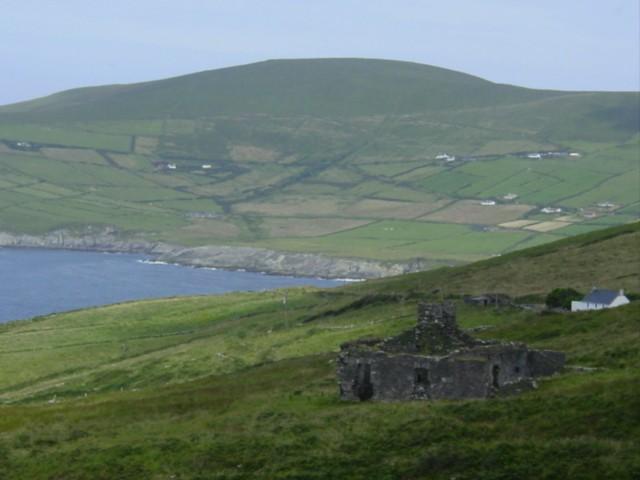 The ruins of an old farm house front a vista of patchwork Irish countryside.
Ruins dating back thousands of years are found throughout Ireland. The Irish flag, or Bratach na hÉireann, is a powerful national symbol whose simple tricolor design carries profound historical and political meaning. Officially adopted by the Irish Republic during the 1916 Easter Rising and later confirmed as the national flag in the 1937 Constitution, its stripes are intentionally rich in symbolism. 
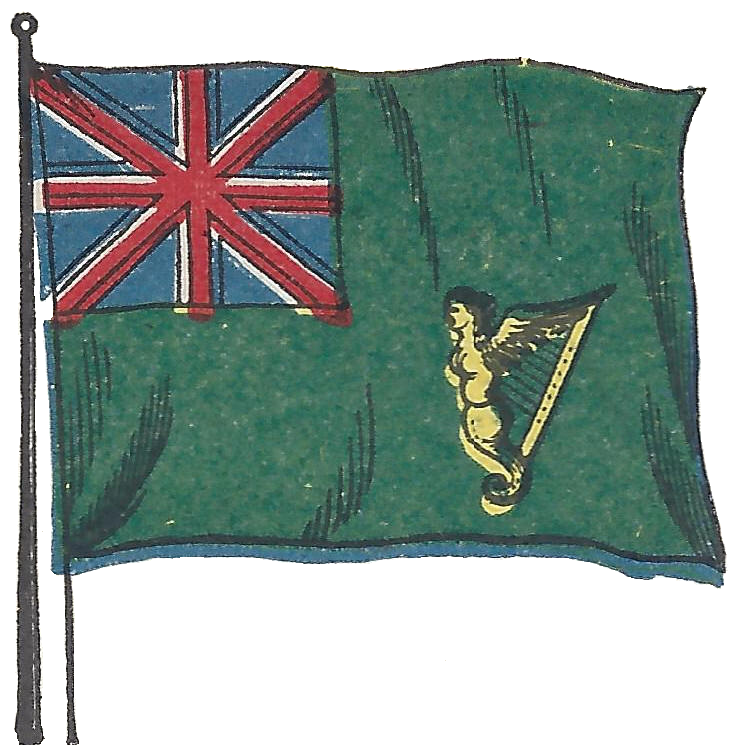 The flag features three vertical panels of equal size: green at the hoist, white in the centre, and orange at the fly. The green represents the older Gaelic and Anglo-Norman tradition of Ireland, often associated with Irish nationalism and the Catholic majority. The orange symbolizes the followers of William of Orange (King William III), representing the Protestant minority and the unionist tradition in Ireland, particularly in Ulster. The central white stripe signifies the hope for a lasting peace and respectful truce between these two communities.
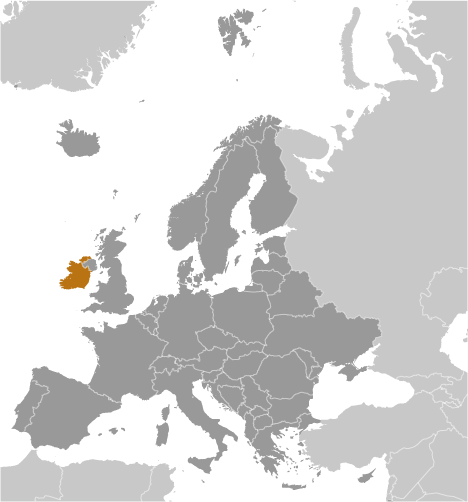 More than just a marker of identity, the flag's design embodies a political aspiration for unity and reconciliation. It proposes a vision of a country where both the green and orange traditions could coexist peacefully, side by side, separated by the white of peace. This aspirational quality makes it a poignant emblem, especially in light of the island's partition and the subsequent conflict in Northern Ireland (though fighting there has greatly decreased since the 1990s).
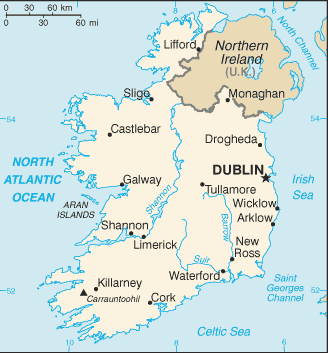 Today, the flag is a ubiquitous and cherished symbol across the Republic, flown at government buildings, schools, and homes. Its presentation is governed by strict protocol, reflecting its deep respect. It is not merely a banner but a narrative in cloth, telling a story of historical division, hopeful aspiration, and a sovereign state's continuing quest for harmony.
|
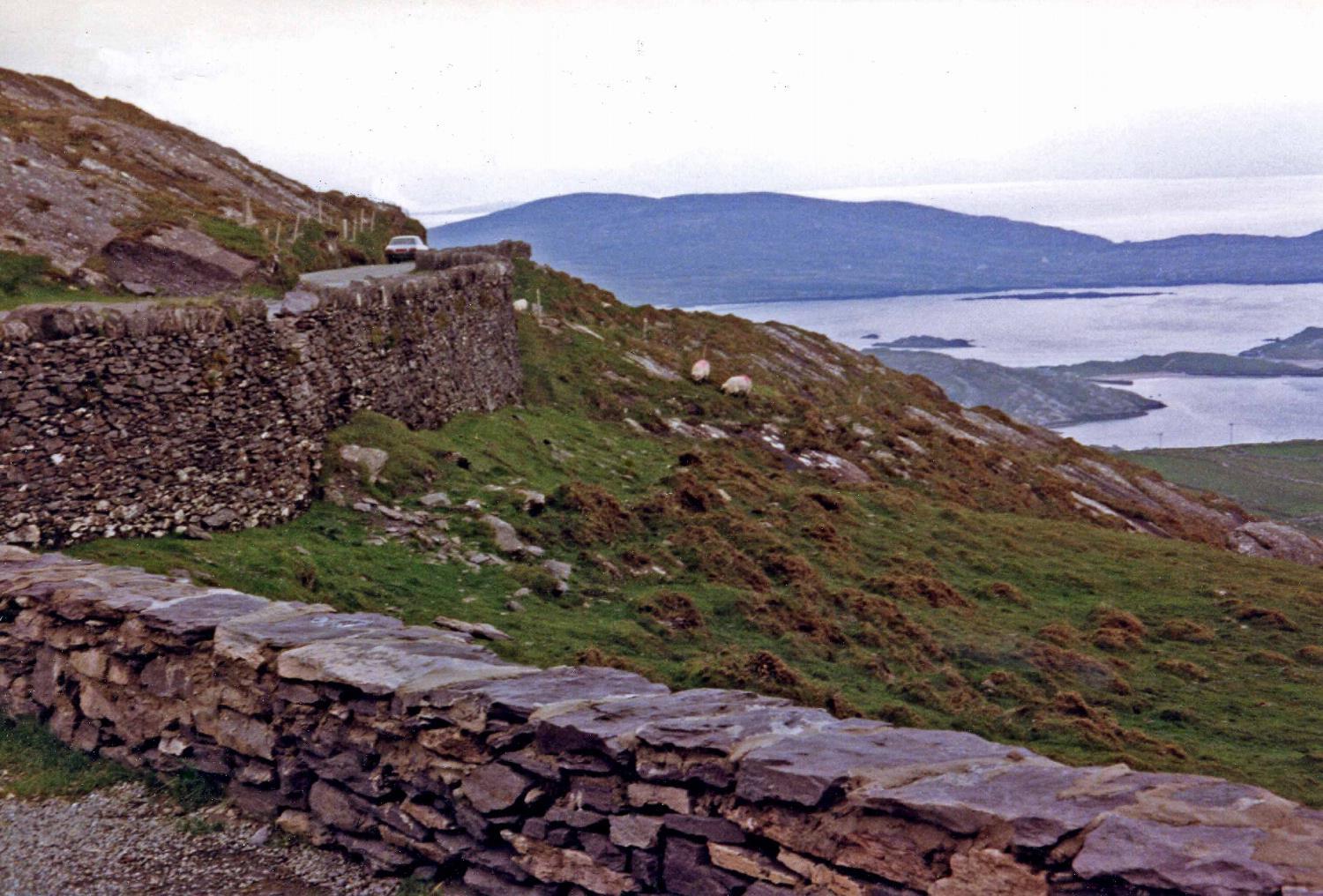 | 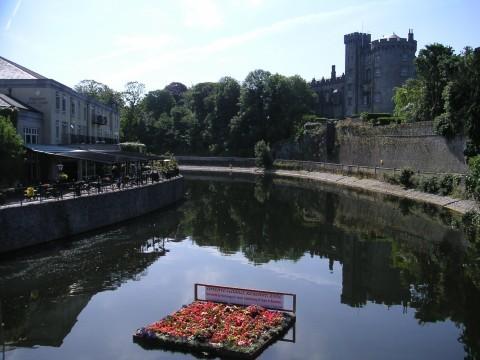 | 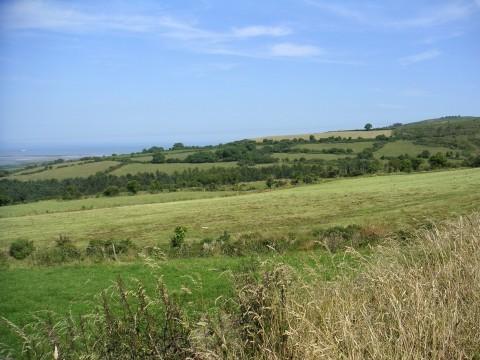 | 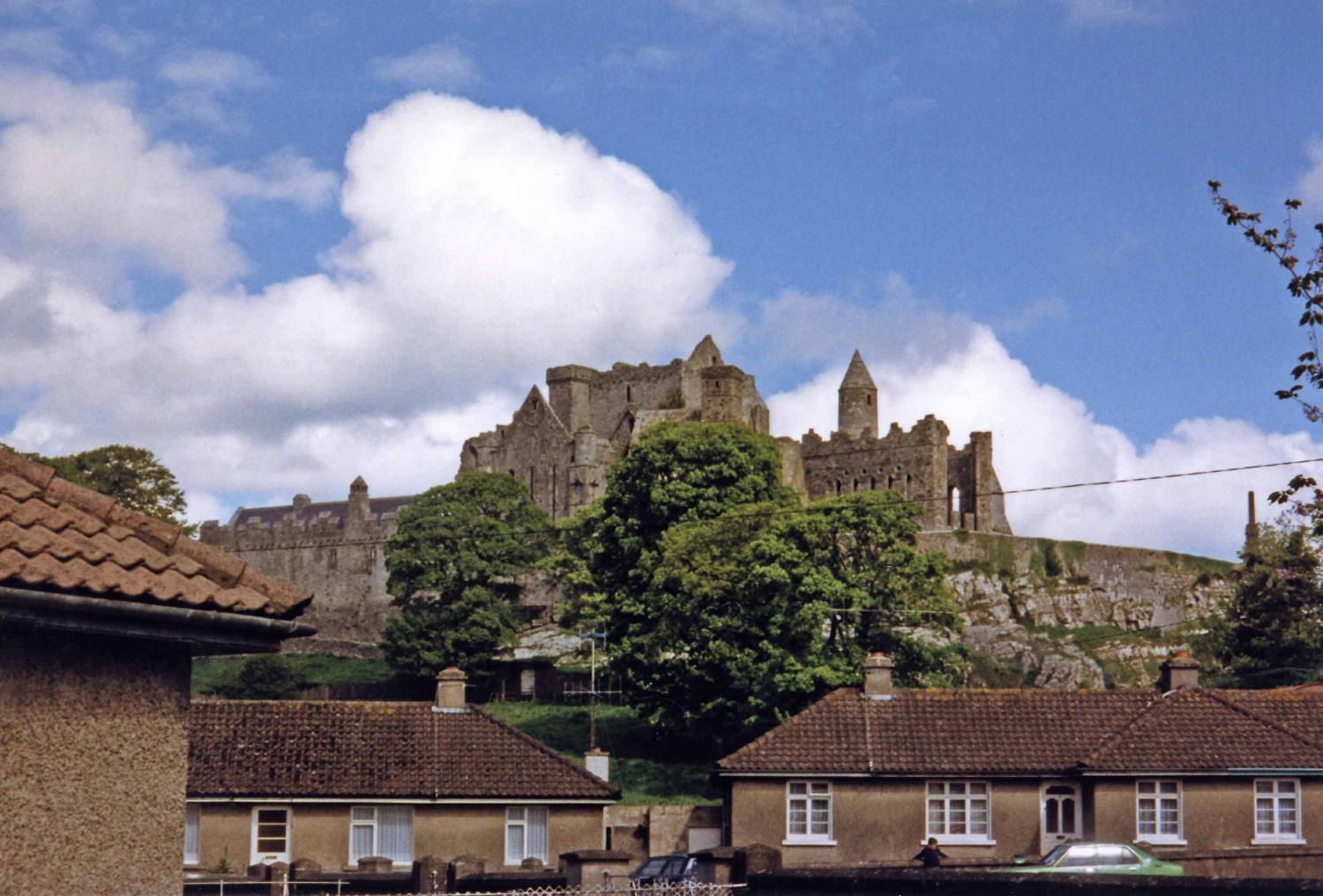 | 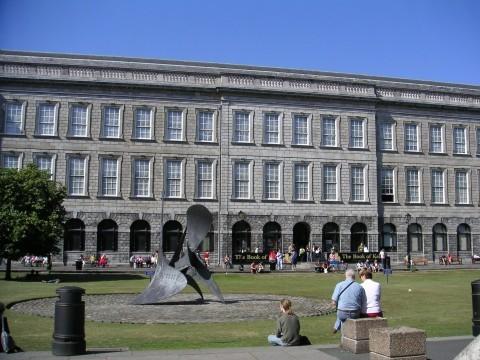 | ||||||
| Ring of Kerry | Kilkenny Castle | Irish Countryside | Rock of Cashel | Trinity College |
| www.studenthandouts.com ↣ Geography ↣ Europe ↣ Northern Europe ↣ Ireland Geography Educational Resources |





