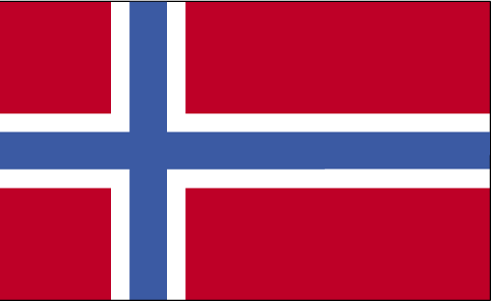
 Teaching about Jan Mayen is beneficial because it shows K-12 students how an extremely remote volcanic island can teach lessons about geology, climate, and global science.
Jan Mayen sits in the Arctic Ocean, about 600 miles northeast of Iceland and 300 miles east of Greenland. It is part of Norway and has no permanent population, only staff at a research and weather station. The island is dominated by Beerenberg, an active volcano that rises over 2,200 meters and is capped by glaciers. Its climate is harsh, with fog, strong winds, and snow most of the year.
Studying Jan Mayen builds key geographic skills. Students can explore how volcanic activity built the island and how glaciers carved its slopes. They can also learn how its location near the Arctic Circle creates extreme seasons, with the midnight sun in summer and long darkness in winter. The surrounding waters support seabirds, seals, and whales, making it valuable for studying polar ecosystems.
Jan Mayen also matters for science and navigation. Its weather station helps forecast conditions for shipping and aviation in the North Atlantic, and it sits near important ocean currents. For young learners, Jan Mayen is memorable because of its volcano, glaciers, and total isolation. Studying it builds map skills, environmental awareness, and understanding of how even tiny, faraway places contribute to global knowledge.
|