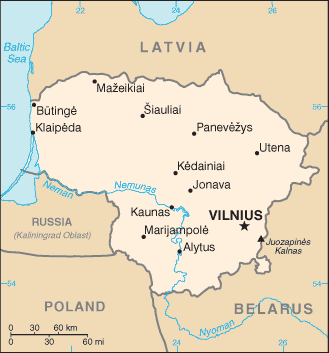
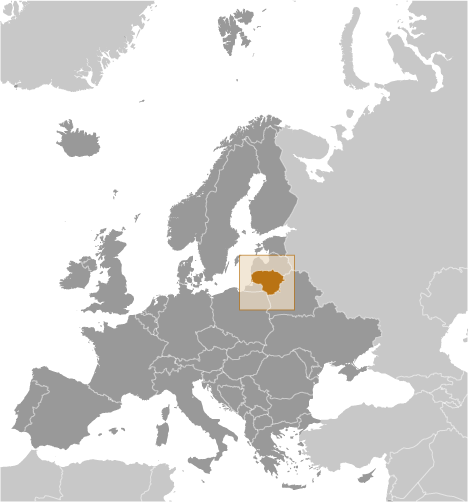
Teaching about Lithuania is beneficial because it shows K-12 students how a small Baltic country can use its location, coastline, and history to build a strong modern identity. Lithuania sits in northern Europe, bordered by Latvia, Belarus, Poland, and the Russian region of Kaliningrad, with a coastline on the Baltic Sea. The country is mostly flat, with gentle hills, forests, and thousands of lakes and rivers. Its climate is cool, with cold winters and mild summers.
Studying Lithuania builds key geographic skills. Students can explore how Lithuania's location on the Baltic made it a crossroads for trade and a target for empires like Russia, Poland, and Germany. They can also learn how the country uses its forests for timber and its ports for shipping. Farming, especially wheat, barley, and dairy, remains important, and technology is growing. The Curonian Spit, a thin strip of sand dunes shared with Russia, is a UNESCO World Heritage Site and a striking example of coastal geography.
The country's cultural geography is rich, with its own language, folk traditions, and historic cities like Vilnius and Kaunas. For young learners, Lithuania is memorable because of its amber, castles, and Baltic beaches. Studying it builds map skills, cultural awareness, and understanding of how geography shapes a nation's economy and identity in the Baltic region. It also helps students see how small countries can preserve their culture while connecting to the wider world.
|