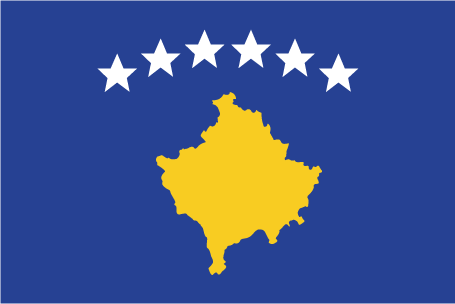
 Teaching about Kosovo is greatly helpful because it shows K-12 students how a small, landlocked country in the Balkans is shaped by mountains, plains, and a complex history.
Kosovo sits in southeastern Europe, bordered by Serbia, North Macedonia, Albania, and Montenegro. It has no coastline, so trade depends on its neighbors. The country is mostly mountainous, with the Accursed Mountains in the west and the Šar Mountains in the south. Between them lie fertile plains where most people live and farm.
Studying Kosovo builds key geographic skills. Students can explore how mountain terrain limits transportation and settlement, and how valleys support farming of wheat, corn, and grapes. They can also learn how Kosovo's mineral wealth, including lignite coal, lead, and zinc, connects it to regional economies. The country's rivers flow into the Black Sea and Adriatic basins, linking it to wider European waterways.
Kosovo's cultural geography is rich but also marked by conflict. It declared independence from Serbia in 2008, and the move is recognized by many but not all countries. Ancient monasteries and Ottoman-era mosques reflect its layered past. For young learners, Kosovo is memorable because of its mountains, young population, and ongoing story of nation-building. Studying it builds map skills, cultural awareness, and understanding of how geography shapes identity and politics in the Balkans.
|