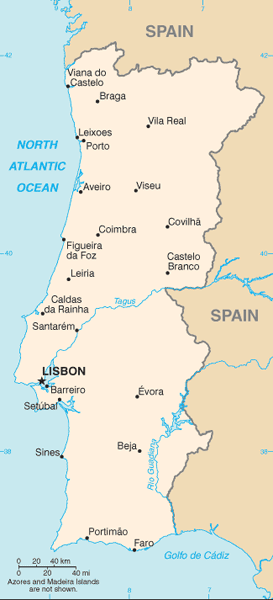
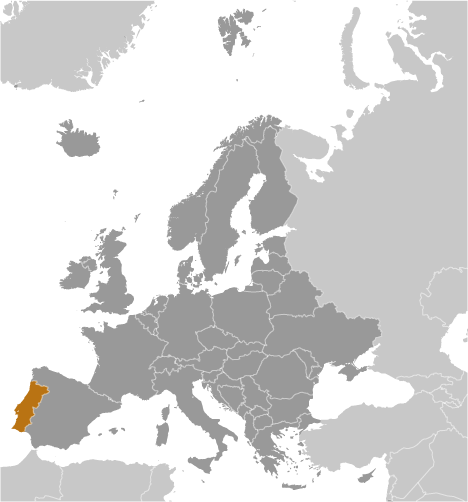
Teaching about Portugal is deeply helpful because it shows your K-12 students how a small country on the edge of Europe used its coastline and location to shape world history. Portugal sits on the Iberian Peninsula, bordered only by Spain, with a long coastline on the Atlantic Ocean. This Atlantic-facing position turned Portugal into a seafaring nation. In the 1400s and 1500s, Portuguese explorers like Vasco da Gama and Magellan opened sea routes to Africa, India, and Brazil, building a global empire.
Studying Portugal builds key geographic skills. Your students can explore how the Tagus and Douro rivers support farming and cities like Lisbon and Porto. They can also learn how the country's varied landscape includes green northern hills, dry southern plains called the Alentejo, and the island regions of Madeira and the Azores. Fishing, wine, cork, and tourism are important to the economy.
The country's cultural geography is rich, with fado music, azulejo tiles, and a language spoken on four continents. For your younger pupils, Portugal is memorable because of its explorers, castles, and Atlantic beaches. Studying it builds map skills, cultural awareness, and understanding of how geography shapes a nation's role in global exploration and trade.
|