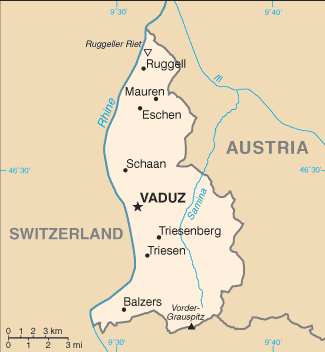
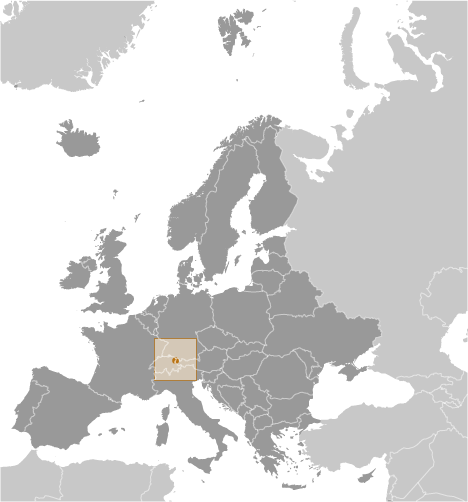
Teaching about Liechtenstein is highly beneficial because it shows K-12 students how a tiny, landlocked country can thrive through smart use of its mountain geography and location. Liechtenstein sits in Central Europe, tucked between Switzerland and Austria in the Alps. It has no coastline and covers only about 62 square miles, making it one of the smallest countries in the world. The Rhine River forms its western border, and steep mountains rise in the east. Despite its small size, it has a strong economy based on banking, manufacturing, and tourism.
Studying Liechtenstein builds key geographic skills. Students can explore how mountain terrain limits farming but supports skiing and hiking, which draw visitors year-round. They can also learn how the country's location between two larger nations shaped its currency, trade, and politics. Liechtenstein uses the Swiss franc and shares a customs union with Switzerland, showing how small states cooperate with neighbors. Its factories make precision tools, dental products, and electronics sold worldwide.
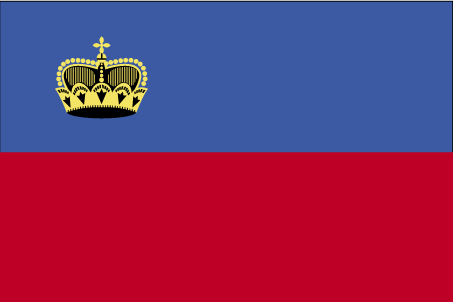
The country's cultural geography is rich, with a hereditary prince, medieval castles like Vaduz Castle, and traditions that blend German, Swiss, and Austrian influences. For young learners, Liechtenstein is memorable because of its castles, mountains, and tiny size. Studying it builds map skills, cultural awareness, and understanding of how geography shapes a nation's economy and identity in Europe.
|