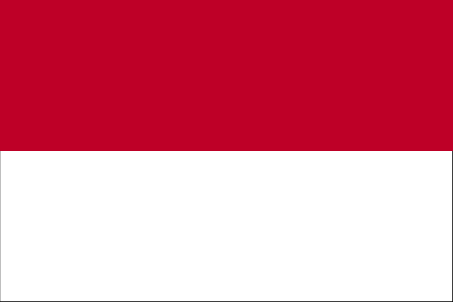
Teaching about Monaco is highly beneficial because it shows your K-12 students how one of the world's smallest countries uses its location and coastline to become a global center for wealth and tourism.
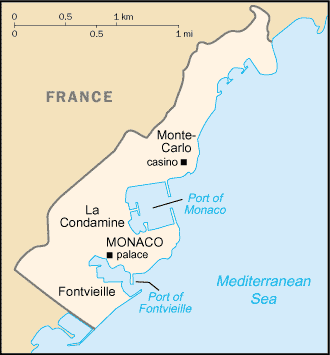
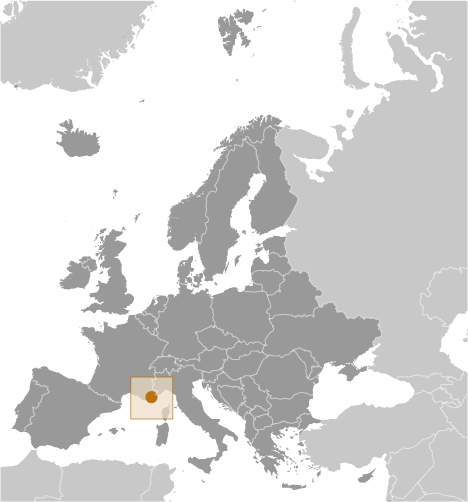
Monaco sits in Western Europe on the Mediterranean Sea, bordered on land by France and close to Italy. It is the second-smallest country in the world, after Vatican City, covering only about 0.78 square miles. The country is built on steep hills along the coast, with tall buildings packed tightly together. Its mild climate and beautiful harbor attract visitors year-round.
Studying Monaco builds key geographic skills. Students can explore how limited land forced Monaco to build upward and even reclaim land from the sea to create new neighborhoods like Fontvieille. They can also learn how its location on the Mediterranean made it a resort destination, and how banking, tourism, and the famous Monte Carlo Casino drive its economy. The Monaco Grand Prix, held on city streets, shows how geography shapes even sports.
The country's cultural geography is rich, with French as the official language and a royal family, the Grimaldis, ruling for centuries. For young learners, Monaco is memorable because of its casino, yacht-filled harbor, and tiny size. Studying it builds map skills, cultural awareness, and understanding of how geography shapes a nation's economy and identity.
|