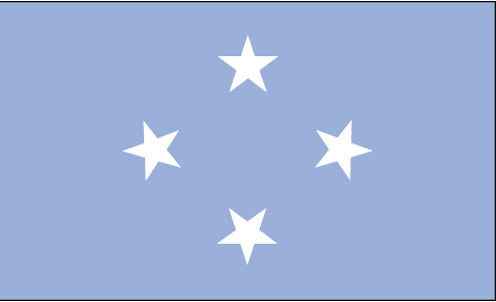
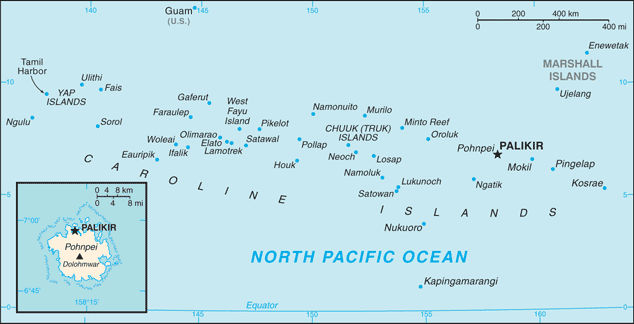
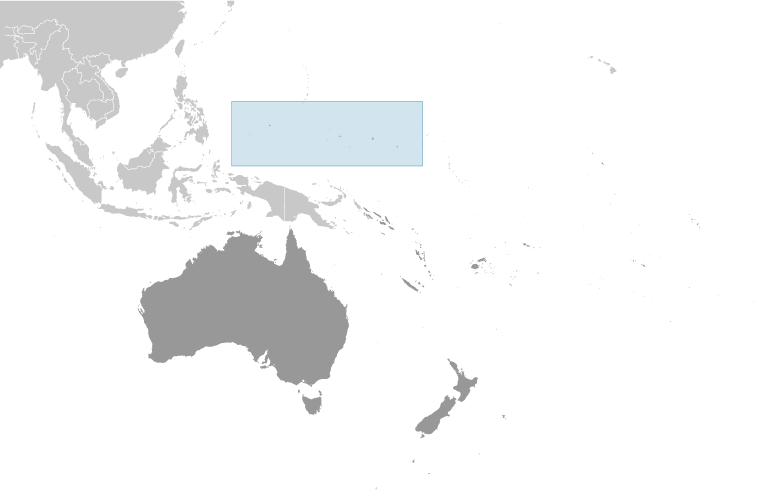
Teaching students about the geography of the Federated States of Micronesia is an incredibly enriching experience for K-12 educators because it introduces them to a unique island nation in the western Pacific Ocean. The country consists of four states: Yap, Chuuk, Pohnpei, and Kosrae. These states include hundreds of islands spread across a vast area of ocean. Exploring this remarkable geography helps students understand how land, water, climate, and location influence people's lives.
One major benefit of studying the Federated States of Micronesia is learning about different types of islands. Some islands, such as Pohnpei, have volcanic mountains, thick forests, and flowing rivers. Other islands are low-lying coral atolls surrounded by beautiful reefs. These differences affect where people live, how they grow food, and how they access fresh water. Students can compare these environments with their own communities and discover how geography shapes everyday life.
The country's location also provides an exciting opportunity to explore ocean navigation and transportation. Because the four states are spread across a large area, traveling between islands can take time and planning. For generations, Micronesian navigators have used knowledge of stars, ocean currents, winds, and waves to travel across the Pacific. Learning about these skills helps students appreciate the scientific knowledge and cultural traditions developed by island communities.
Studying the geography of the Federated States of Micronesia also encourages environmental awareness. Rising sea levels, coastal erosion, stronger storms, and damage to coral reefs create serious challenges for many island communities. Students can investigate how these changes affect homes, fishing, farming, and local economies. These lessons help them understand climate change and the importance of protecting natural resources.
Additionally, learning about this island nation promotes cultural understanding. Each state has its own traditions, languages, and local identities. Educators can use maps and geographic activities to help students explore these differences while recognizing the connections among the communities.
Ultimately, teaching the geography of the Federated States of Micronesia helps students become more informed global citizens. It builds map-reading skills, encourages critical thinking, and connects geography with science, history, and culture. Most importantly, it shows students that even a small nation can offer valuable lessons about human creativity, environmental responsibility, and the relationship between people and the natural world.
|