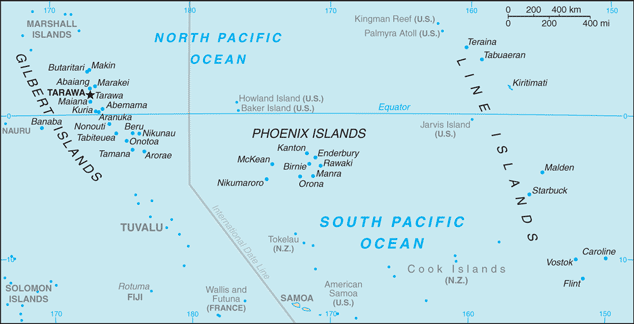
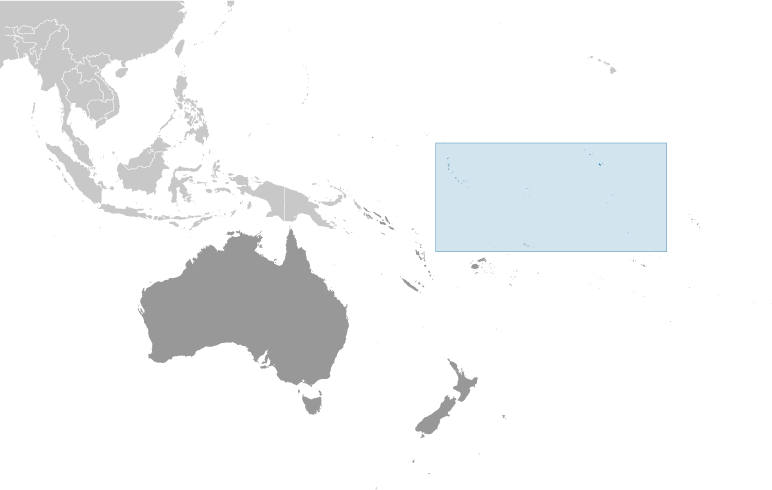
Teaching students about the geography of Kiribati is an incredibly enriching experience for K-12 educators because it introduces them to a unique island country in the central Pacific Ocean. Kiribati is made up of 33 islands and atolls spread across a vast area of ocean. Its unusual location and physical features provide exciting opportunities for students to explore how geography shapes communities, cultures, and everyday life.
One important benefit of studying Kiribati is learning about coral atolls. Most of the country's islands are low-lying, meaning they rise only a few feet above sea level. These narrow strips of land are surrounded by lagoons and coral reefs. Students can learn how coral atolls form and compare them with mountains, valleys, and other landforms found around the world. This helps them understand the powerful natural processes that shape Earth's surface.
Kiribati's location also makes it an excellent subject for teaching map skills and global geography. The country stretches across a large part of the Pacific Ocean, making travel between its islands challenging. In 1995, Kiribati moved the International Date Line eastward around its territory so that its islands would share the same calendar date. This fascinating example helps students understand time zones, international boundaries, and how geography affects daily activities.
Studying Kiribati also encourages students to explore environmental challenges. Because many islands are so close to sea level, rising sea levels, coastal erosion, and saltwater entering freshwater supplies can threaten homes and farmland. Students can investigate how climate change affects island communities and learn about efforts to protect coastlines, preserve natural resources, and plan for the future. These lessons connect geography with science and environmental responsibility.
Kiribati's geography also provides opportunities to explore culture and tradition. The ocean plays a major role in fishing, transportation, food, and community life. Students can learn how people use their knowledge of winds, waves, and marine environments to live on scattered islands. These lessons encourage respect for different cultures and ways of life.
Ultimately, teaching the geography of Kiribati helps students become more informed global citizens. It builds map-reading skills, strengthens critical thinking, and connects geography to science, history, and culture. Most importantly, it shows students how a country's physical environment can shape its challenges, traditions, and future.
|