

| Niue Geography Educational Resources |
|---|
| www.studenthandouts.com ↣ World Geography ↣ Polynesia ↣ Niue Geography Educational Resources |
 |  |  | ||||||||
| Flag of Niue | Niue Political Map | Niue Global Position Map |
|
Teaching students about Niue gives K-12 educators a unique way to explore the South Pacific. This small island nation is one of the world's largest raised coral atolls. Students can learn how its rocky coastline, limestone caves, and tropical forests shape life for its people.
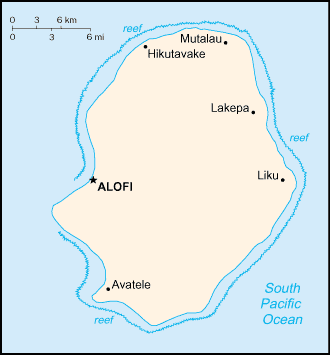
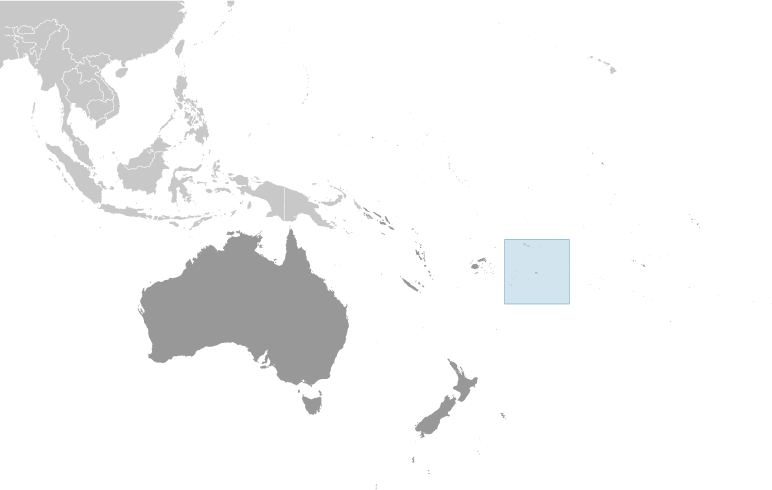
Niue has a strong Polynesian culture and close ties with New Zealand. Its geography connects to lessons about ocean health, climate change, and how small island nations face big environmental challenges. Learning about Niue builds global awareness and empathy. Many classrooms include Pacific Islander students, so these lessons can feel personal and validating. For others, it opens a window to a place they might never have heard of. In short, Niue offers a rich, memorable way to bring geography to life. Niue, often referred to as "The Rock of Polynesia," is a small island nation located in the South Pacific Ocean. It lies northeast of New Zealand, east of Tonga, south of Samoa, and west of the Cook Islands. With a land area of approximately 261 square kilometers and a population of around 1,600 people, Niue is one of the world's smallest countries both in terms of size and population. Niue has a unique political status as a self-governing state in free association with New Zealand, which means that Niueans are citizens of New Zealand and the country receives significant aid and support from New Zealand. The capital of Niue is Alofi, which is situated on the western coast and serves as the economic and administrative center. The economy of Niue is primarily based on agriculture, fishing, and tourism. Key agricultural products include coconuts, taro, and vanilla. Niue's stunning natural beauty, including its limestone cliffs, coral reefs, and pristine forests, makes it an attractive destination for eco-tourism and diving enthusiasts. Culturally, Niueans maintain a strong Polynesian heritage, with traditional crafts, music, dance, and communal activities playing vital roles in daily life. Despite facing challenges such as population decline and economic limitations, Niue continues to preserve its unique cultural identity and natural environment, making it a distinctive and resilient nation in the Pacific. |
 |
| www.studenthandouts.com ↣ World Geography ↣ Polynesia ↣ Niue Geography Educational Resources |