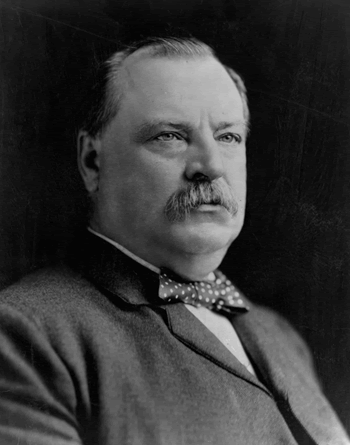
 Grover Cleveland holds a unique place in American history as the only president to serve two non-consecutive terms, elected as the 22nd and 24th president (1885-1889, 1893-1897). A Democrat from New York, he rose to prominence as a reform-minded governor known for his honesty and opposition to political corruption, which earned him the nickname "Grover the Good." Grover Cleveland holds a unique place in American history as the only president to serve two non-consecutive terms, elected as the 22nd and 24th president (1885-1889, 1893-1897). A Democrat from New York, he rose to prominence as a reform-minded governor known for his honesty and opposition to political corruption, which earned him the nickname "Grover the Good."
 Cleveland's presidency was defined by his commitment to limited government, fiscal conservatism, and the veto power. He vetoed hundreds of private pension bills, believing they burdened the treasury and often benefited fraudulent claimants. His staunch defense of the gold standard defined his second term amid the Panic of 1893, a severe economic depression. His handling of the crisis—including repealing the Sherman Silver Purchase Act and using federal troops to crush the Pullman Strike—drew fierce criticism from labor groups and free-silver advocates, splintering his party.
In foreign policy, Cleveland pursued a non-interventionist course, resisting annexationist fervor in Hawaii and advocating for the rights of native Hawaiians. Personally, he gained notoriety for secretly undergoing surgery for oral cancer aboard a yacht, a closely guarded secret during his lifetime.
Often praised for his integrity and independence, Cleveland nevertheless struggled with the economic turmoil that defined his second term. His unusual two-term legacy remains a testament to his conviction that the president's duty was to resist what he saw as legislative overreach.
|


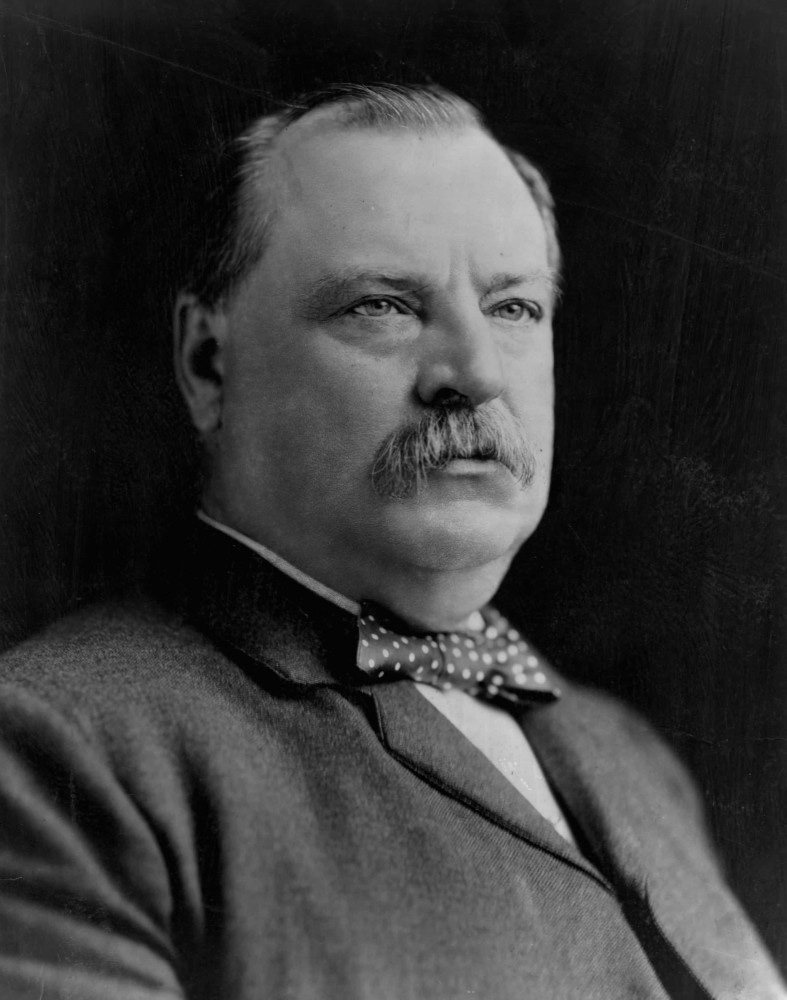
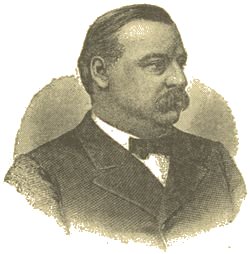 Grover Cleveland holds a unique place in American history as the only president to serve two non-consecutive terms, elected as the 22nd and 24th president (1885-1889, 1893-1897). A Democrat from New York, he rose to prominence as a reform-minded governor known for his honesty and opposition to political corruption, which earned him the nickname "Grover the Good."
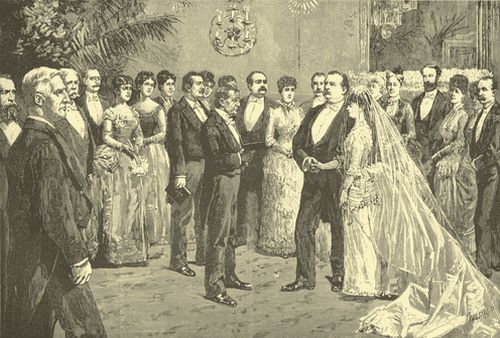 Cleveland's presidency was defined by his commitment to limited government, fiscal conservatism, and the veto power. He vetoed hundreds of private pension bills, believing they burdened the treasury and often benefited fraudulent claimants. His staunch defense of the gold standard defined his second term amid the Panic of 1893, a severe economic depression. His handling of the crisis—including repealing the Sherman Silver Purchase Act and using federal troops to crush the Pullman Strike—drew fierce criticism from labor groups and free-silver advocates, splintering his party.