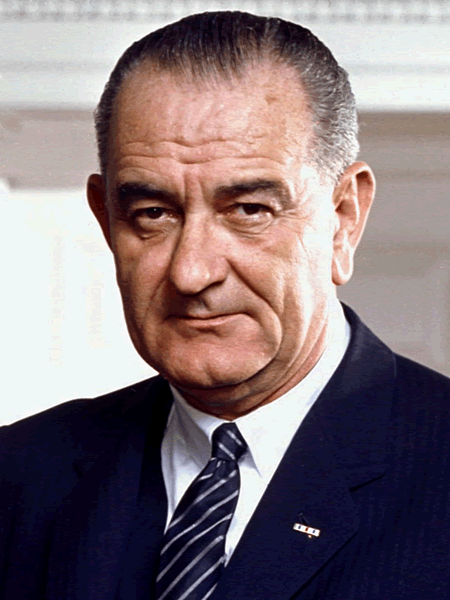
 Lyndon Baines Johnson, the 36th President of the United States, was a figure of titanic ambition, ruthless political mastery, and profound legislative achievement. Rising from the hardscrabble Texas Hill Country, Johnson experienced poverty firsthand, which forged in him an unshakeable belief in government's power to uplift the disadvantaged. After serving in Congress and as Senate Majority Leader––where he perfected the "Johnson Treatment," a blend of intimidation, flattery, and shrewd deal-making––he assumed the vice presidency under John F. Kennedy.
On November 22, 1963, tragedy catapulted him to the presidency aboard Air Force One. Johnson seized the moment with singular focus, wielding his legendary legislative skills to enact the Great Society––the most ambitious expansion of the social safety net since the New Deal. He signed landmark Civil Rights legislation, including the Civil Rights Act of 1964 and the Voting Rights Act of 1965, along with Medicare, Medicaid, and sweeping education reforms.
Yet his legacy remains permanently shadowed by Vietnam. Johnson, believing deeply in containing communism, escalated American involvement dramatically, sending hundreds of thousands of troops. The war consumed his presidency, divided the nation, and ultimately led him to announce in 1968 that he would not seek re-election––a stunning withdrawal from a man who had craved power his entire life.
Johnson died in 1973, leaving a complicated legacy: a champion of domestic justice whose foreign policy ambitions tragically undid his presidency and tarnished his monumental achievements.
|



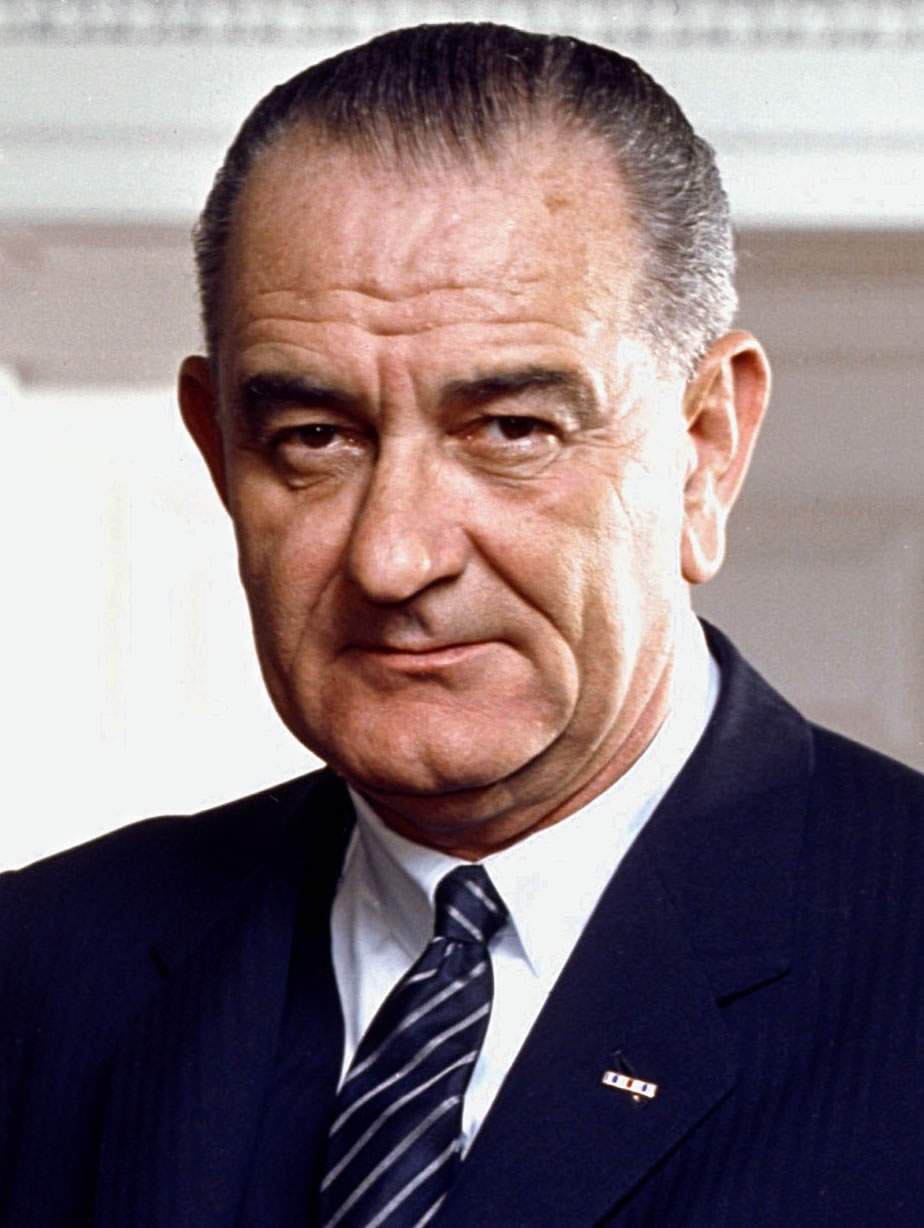 Lyndon Baines Johnson, the 36th President of the United States, was a figure of titanic ambition, ruthless political mastery, and profound legislative achievement. Rising from the hardscrabble Texas Hill Country, Johnson experienced poverty firsthand, which forged in him an unshakeable belief in government's power to uplift the disadvantaged. After serving in Congress and as Senate Majority Leader––where he perfected the "Johnson Treatment," a blend of intimidation, flattery, and shrewd deal-making––he assumed the vice presidency under John F. Kennedy.