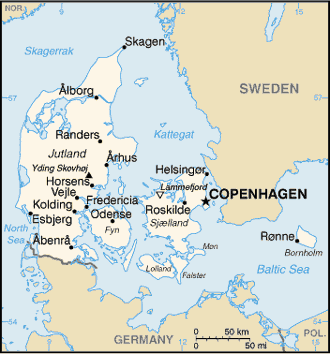
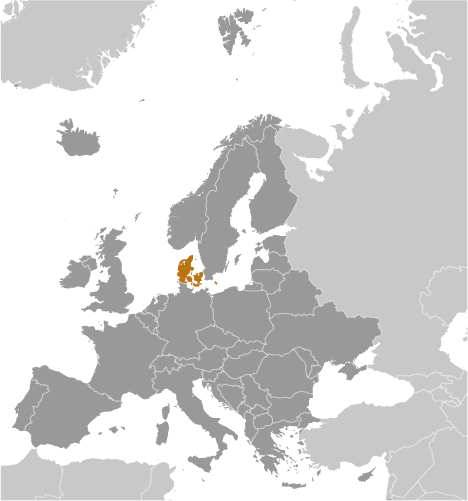
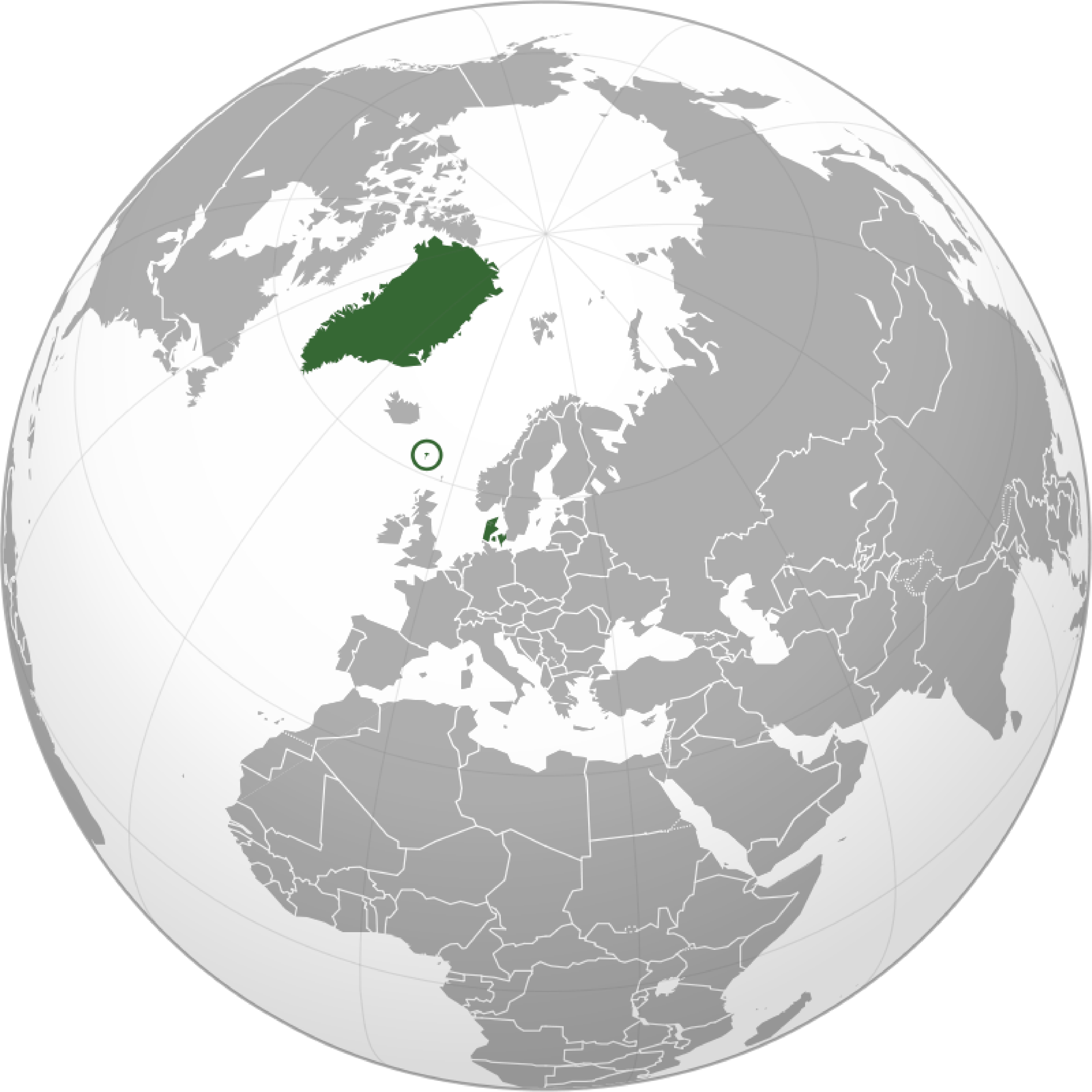
Teaching about Denmark is beneficial because it shows K-12 students how a small Nordic country can use its location and resources to become a global leader in sustainability and design. Denmark sits in northern Europe, bordered by Germany to the south and surrounded by the North Sea and Baltic Sea. It includes the Jutland Peninsula and hundreds of islands, including Zealand, where Copenhagen, the capital, is located. The country is flat, with no mountains, and has a mild climate thanks to ocean currents.
Studying Denmark builds key geographic skills. Students can explore how Denmark's location makes it a bridge between Scandinavia and mainland Europe, and how its ports and straits connect the Baltic and North Seas. They can also learn how the country became a leader in wind energy, cycling, and green technology. Fishing and farming, especially dairy and pork, remain important to the economy.
The country's cultural geography is rich, with Viking history, fairy tales by Hans Christian Andersen, and traditions like hygge. For young learners, Denmark is memorable because of LEGO, windmills, and colorful harbors. Studying it builds map skills, cultural awareness, and understanding of how geography shapes a nation's economy and identity.
|