Teaching about Wales is beneficial because it shows K-12 students how a small country with mountains, coastlines, and its own language can preserve a strong identity within a larger nation. Wales sits in the western part of Great Britain, bordered by England to the east and surrounded by the Irish Sea and Bristol Channel. The country is famous for its rugged mountains, especially Snowdonia in the north, and its long coastline of beaches and cliffs. The climate is mild and wet, with frequent rain that keeps the landscape green.
Studying Wales builds key geographic skills. Students can explore how mountains and valleys shaped settlement, farming, and transportation. They can also learn how coal mining once powered the economy and how Wales now relies on tourism, renewable energy, and manufacturing. Cardiff, the capital, is a major port and cultural center.
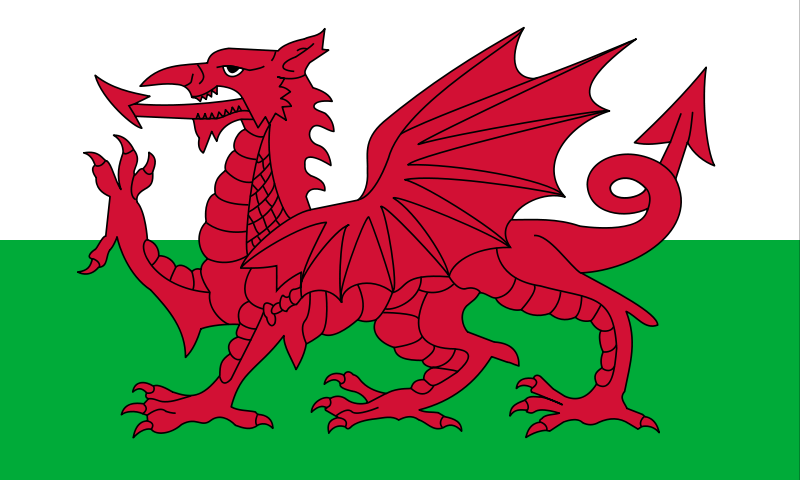
The country's cultural geography is rich, with the Welsh language, male voice choirs, and the Eisteddfod festival celebrating poetry and music. For young learners, Wales is memorable because of castles, dragons on the flag, and legends of King Arthur. Studying it builds map skills, cultural awareness, and understanding of how geography shapes a nation's identity within the United Kingdom.
|



 Interesting facts: