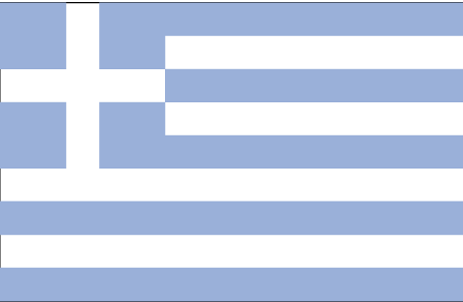
 Teaching about Greece is greatly beneficial because it shows K-12 students how geography shaped one of the world's most influential ancient civilizations and continues to shape a modern nation.
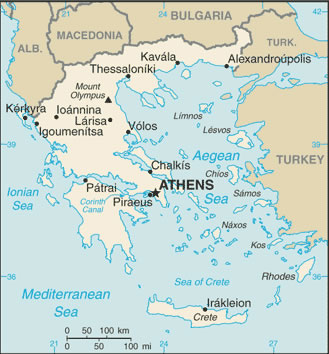
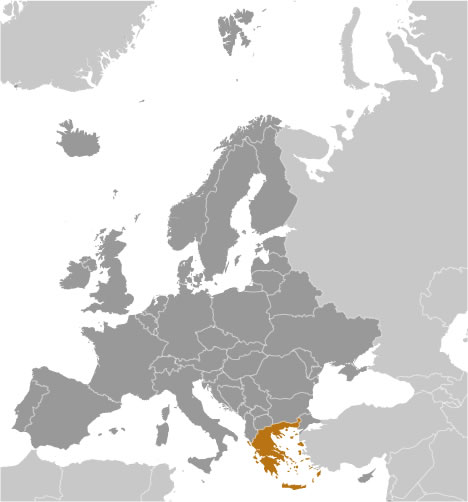
Greece sits in southeastern Europe on the Balkan Peninsula, bordered by Albania, North Macedonia, Bulgaria, and Turkey. It has thousands of islands scattered across the Aegean and Ionian Seas, plus a mainland full of mountains and narrow valleys. Mount Olympus, home of the gods in Greek myth, is the highest peak.
Studying Greece builds key geographic skills. Students can explore how mountains isolated Greek city-states like Athens and Sparta, leading to different governments and cultures. They can also learn how the sea connected Greece to trade and colonization across the Mediterranean. Greece's coastline is one of the longest in the world, and its islands support fishing and tourism. Farming olives, grapes, and wheat remains important.
The country's cultural geography is incredibly rich, as the birthplace of democracy, philosophy, and the Olympics. For young learners, Greece is memorable because of the Parthenon, myths, and island beaches. Studying it builds map skills, cultural awareness, and understanding of how geography shapes history and identity.
|