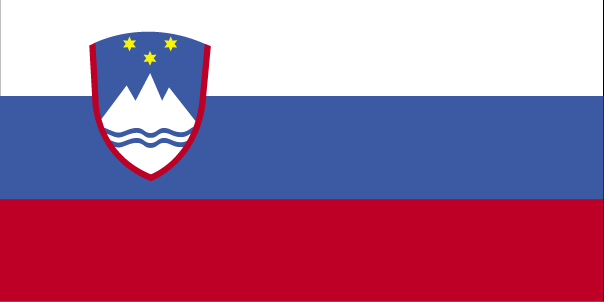
Teaching about Slovenia is greatly enriching because it shows K-12 students how a small country can pack an amazing variety of landscapes into a compact area.
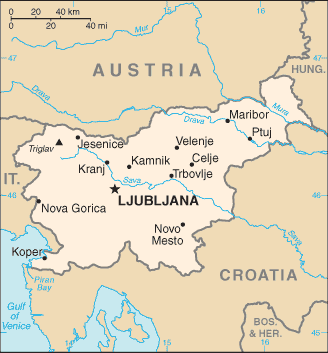
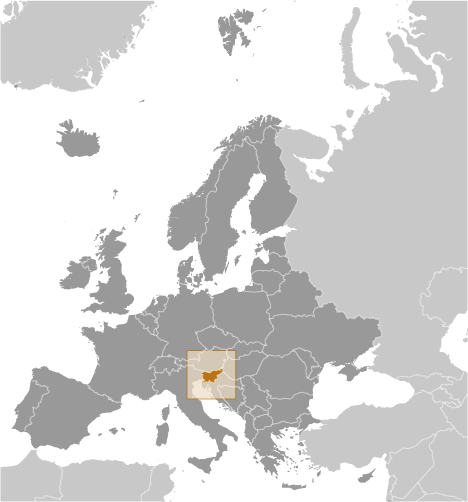
Slovenia sits in Central Europe, bordered by Italy, Austria, Hungary, and Croatia, with a short coastline on the Adriatic Sea. Despite its small size, it touches the Alps, the Mediterranean, the Pannonian Plain, and the Dinaric Mountains. This mix gives Slovenia diverse climates and habitats, from snowy peaks to vineyards and coastal towns.
Studying Slovenia builds key geographic skills. Students can explore how the Julian Alps create dramatic scenery and how rivers like the Soča and Sava support farming, fishing, and hydropower. They can also learn how Lake Bled, with its island church, and the Postojna Cave system draw tourists from around the world. Forests cover more than half the country, making it one of Europe's greenest nations.
The country's cultural geography is rich, blending Slavic, Germanic, and Romance influences. Ljubljana, the capital, is known for its bridges and castle. For young learners, Slovenia is memorable because of its mountains, caves, and fairy-tale lakes. Studying it builds map skills, cultural awareness, and understanding of how geography shapes a nation's economy and identity in Central Europe.
|