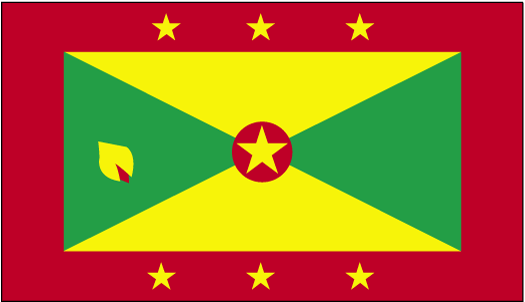
Teaching about Grenada is very rewarding because it shows K-12 students how a small volcanic island can use its geography to build a distinct economy and culture in the Caribbean.
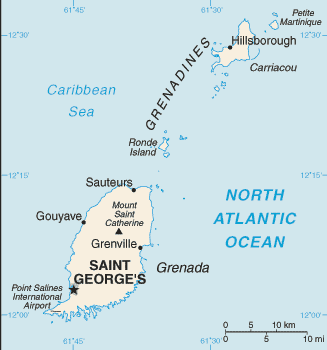
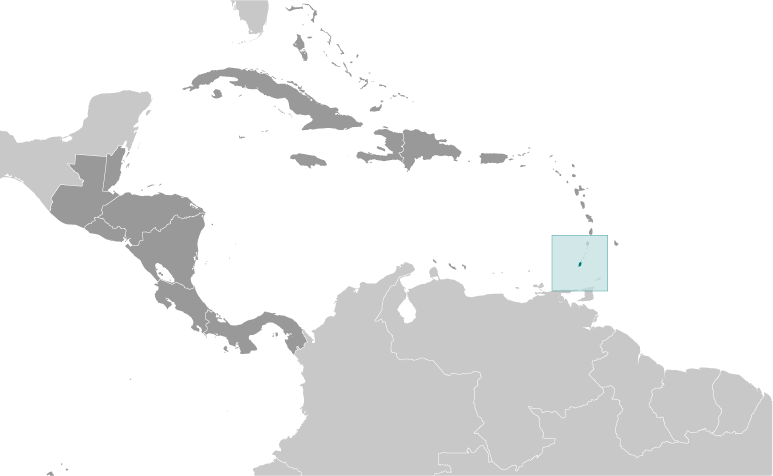
Grenada sits in the eastern Caribbean, part of the Lesser Antilles chain, just north of Trinidad and Tobago. It is known as the "Isle of Spice" because it is one of the world's largest producers of nutmeg and mace. The island is volcanic and mountainous, with rainforests, waterfalls, and black-sand beaches. Smaller islands like Carriacou and Petite Martinique are part of the country. The climate is tropical, with warm temperatures year-round and a hurricane season from June to November.
Studying Grenada builds key geographic skills. Students can explore how volcanic soil supports spice farming and how the island's location near South America shapes its trade and culture. They can also learn how tourism, agriculture, and fishing drive the economy. Grand Anse Beach and the underwater sculpture park show how geography connects to tourism. Hurricanes like Ivan in 2004 show how geography links to natural hazards.
The country's cultural geography blends African, French, British, and Caribbean influences, seen in its Creole language, music, and festivals like Spicemas. For young learners, Grenada is memorable because of its spices, beaches, and colorful Carnival. Studying it builds map skills, cultural awareness, and understanding of how geography shapes island life and identity in the Caribbean.
|