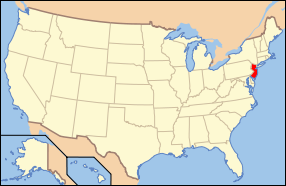
Students can begin by locating New Jersey on a map and identifying its neighboring states, including New York, Pennsylvania, and Delaware. They can also learn about the Atlantic Ocean, the Delaware River, and the Hudson River. These geographic features have influenced transportation, trade, settlement, and recreation throughout the state's history. Map activities help students develop important skills, such as reading map symbols, using a compass rose, understanding scale, and identifying locations.
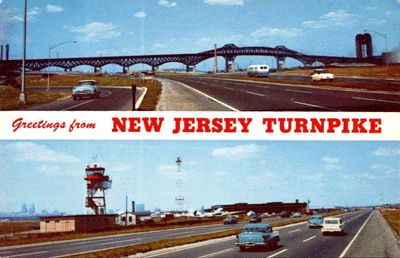 New Jersey's physical geography offers many opportunities for classroom learning. Students can explore the sandy beaches of the Jersey Shore, the Pine Barrens, the Delaware Water Gap, and the hills of the northwestern part of the state. Comparing these regions helps students understand differences in climate, plants, animals, soil, and land use. Lessons about rivers, forests, wetlands, and coastal areas can also introduce environmental protection and the importance of conserving natural resources.
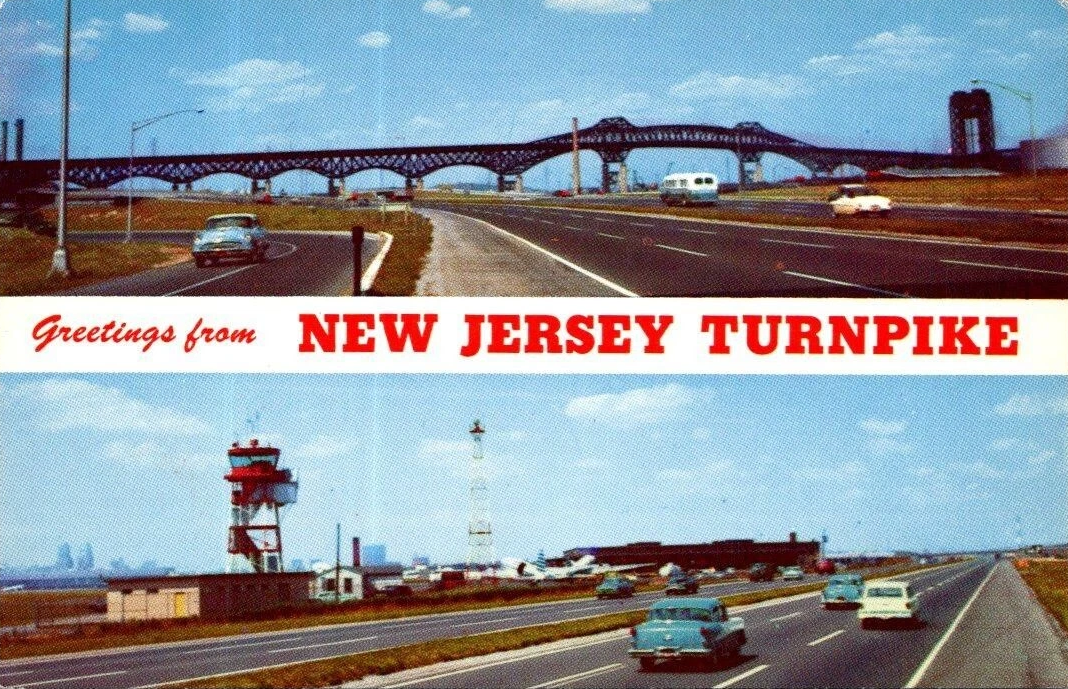
The state's human geography is equally valuable. New Jersey includes busy cities, suburban neighborhoods, small towns, farmland, and industrial areas. Students can examine why people settle in certain places and how roads, railways, ports, and airports connect communities. They can also investigate how New Jersey's location between New York City and Philadelphia affects jobs, commuting, business, and population growth.
Learning about New Jersey's geography can connect social studies with science, mathematics, and language arts. Students might compare regional populations, study weather patterns, create maps, or write reports about local landmarks. These activities encourage research, problem-solving, and critical thinking.
By teaching New Jersey's geography, K-12 teachers help students develop a stronger sense of place and a better understanding of their state's natural and cultural features. This knowledge encourages informed citizenship and helps young people recognize how geography influences communities, the economy, and the environment.
|





 New Jersey's physical geography offers many opportunities for classroom learning. Students can explore the sandy beaches of the Jersey Shore, the Pine Barrens, the Delaware Water Gap, and the hills of the northwestern part of the state. Comparing these regions helps students understand differences in climate, plants, animals, soil, and land use. Lessons about rivers, forests, wetlands, and coastal areas can also introduce environmental protection and the importance of conserving natural resources.