Teaching the geography of Pennsylvania helps K-12 students understand the natural features, communities, and resources that make the state unique. Located in the northeastern United States, Pennsylvania has played an important role in American history, industry, transportation, and agriculture. Studying its geography helps students understand how the land influences where people live, how they work, and how communities develop.
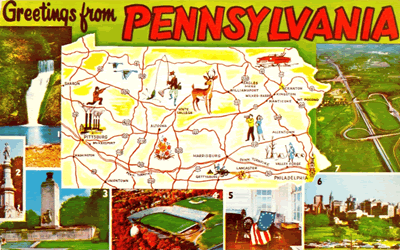 Students can begin by locating Pennsylvania on a map and identifying its neighboring states: New York, New Jersey, Delaware, Maryland, West Virginia, and Ohio. They can also locate Lake Erie and the Delaware River, which help define parts of the state's borders. These activities build map-reading skills and teach students how to use directions, symbols, and map scales.
Pennsylvania's physical geography provides many opportunities for exploration. The Appalachian Mountains cross much of the state, creating hills, valleys, and forests. The Susquehanna River and other waterways have supported transportation, farming, and settlement. Students can learn about the state's forests, farmland, and natural resources while discussing how people use and protect the environment. They can also explore how weather and landforms affect outdoor activities, wildlife, and local communities.
 Human geography is another important part of studying Pennsylvania. The state includes large cities such as Philadelphia and Pittsburgh, smaller towns, suburban communities, and rural farming areas. Students can compare these places to understand differences in population, housing, transportation, and employment. They can investigate how Pennsylvania's location near major markets and transportation routes has supported trade, manufacturing, and business.
Geography lessons can also connect social studies with science, mathematics, and language arts. Students might create maps, compare population data, study river systems, or write reports about important state landmarks. These projects encourage research, observation, and critical thinking.
By learning about Pennsylvania's geography, students gain a stronger understanding of their region and its place in the United States. They learn how natural resources, landforms, transportation, and population patterns shape daily life. This knowledge can help young people become informed citizens who appreciate Pennsylvania's diverse landscapes, understand environmental challenges, and make thoughtful decisions about the future of their communities.
|




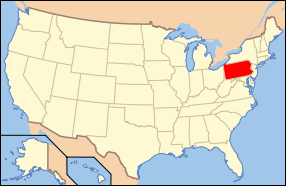
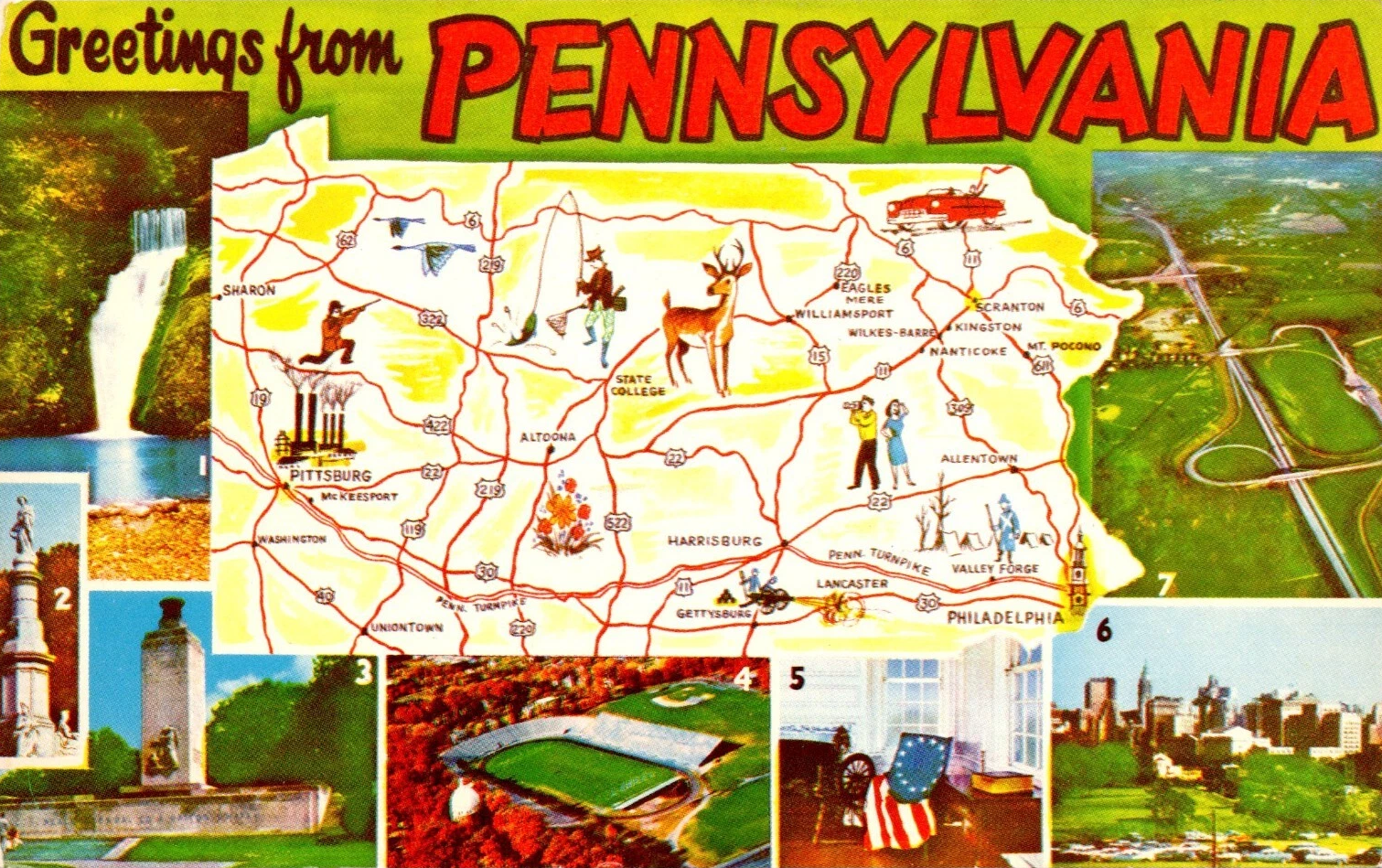 Students can begin by locating Pennsylvania on a map and identifying its neighboring states: New York, New Jersey, Delaware, Maryland, West Virginia, and Ohio. They can also locate Lake Erie and the Delaware River, which help define parts of the state's borders. These activities build map-reading skills and teach students how to use directions, symbols, and map scales.