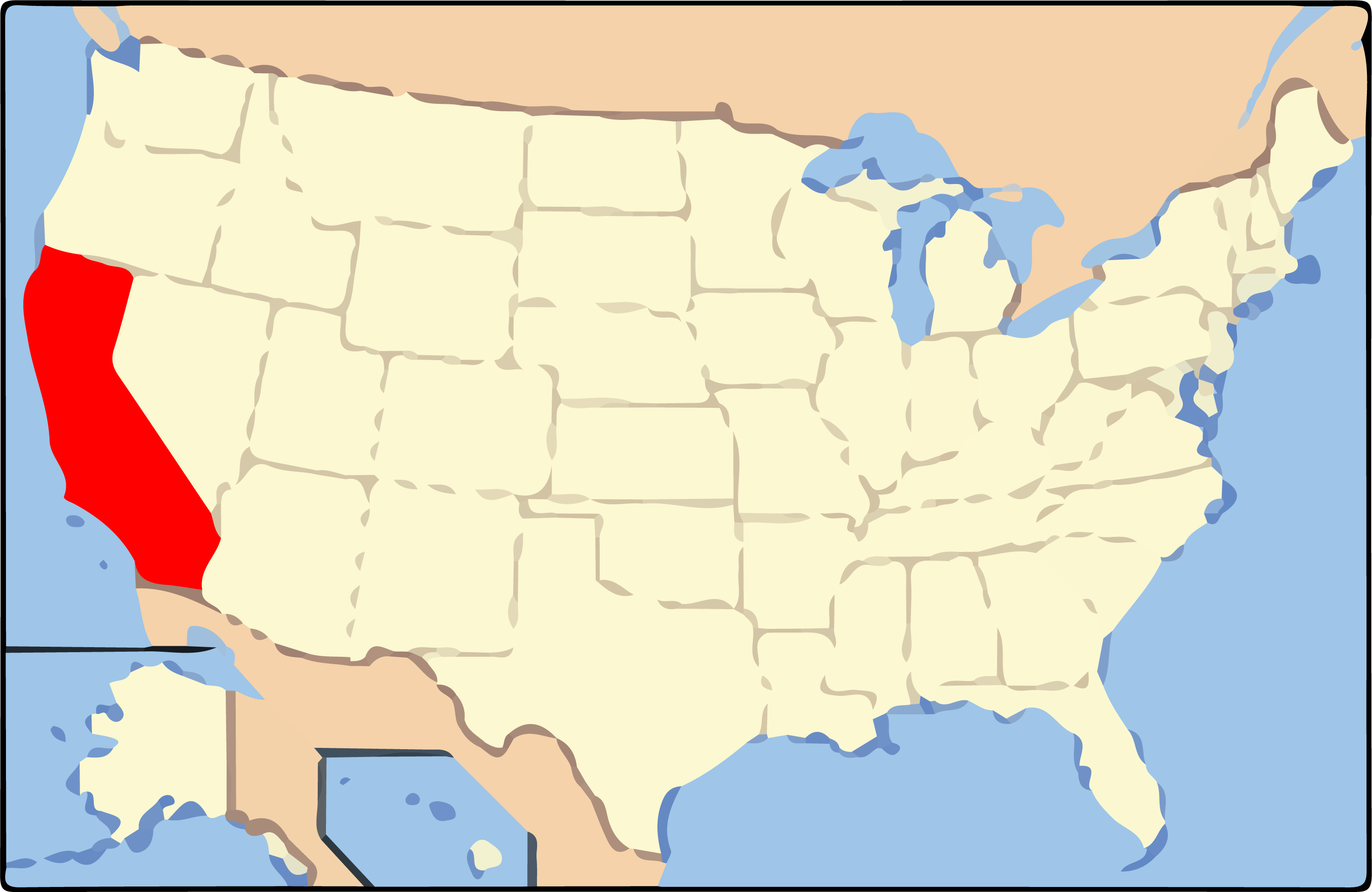
 Teaching students about the geography of California helps them understand how land, climate, water, and natural resources shape people's lives. Located on the Pacific coast, California is known for its beaches, mountains, deserts, forests, and fertile valleys. Studying the state helps students learn how people adapt to different environments and how geography affects communities.
California has many different landforms. The Sierra Nevada mountains include tall peaks and beautiful forests. The Central Valley has rich soil that supports farming, while the Mojave Desert has dry land and very little rainfall. Along the coast, students can explore beaches, cliffs, and coastal cities. Teachers can use maps, photographs, and videos to help students identify these features and compare them with landforms in other states.
Climate is another important part of California's geography. Coastal areas often have mild temperatures, while inland valleys can experience very hot summers. Mountain regions may receive heavy snowfall, and deserts are usually dry. These weather patterns affect farming, tourism, transportation, and daily life. Students can study how climate influences the plants and animals that live in each region.
Water is especially important in California. Rivers, reservoirs, and snow in the mountains help supply water to cities and farms. However, droughts can make water supplies smaller. Teachers can help students explore water conservation, wildfires, and other environmental challenges. These lessons show why protecting natural resources is important.
 California's geography also supports a wide range of jobs. Farming produces fruits, vegetables, nuts, and other crops. Coastal ports support shipping and trade, while national parks and beaches attract visitors. Cities such as Los Angeles, San Diego, and San Francisco are important centers for business, culture, and transportation.
Teaching California's geography builds map-reading, research, science, and history skills. Students learn how people use the land, how communities grow, and how environmental problems can be addressed. These lessons help students better understand California and appreciate the many different landscapes found across the United States.
|




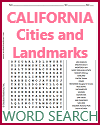



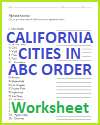
 California's geography also supports a wide range of jobs. Farming produces fruits, vegetables, nuts, and other crops. Coastal ports support shipping and trade, while national parks and beaches attract visitors. Cities such as Los Angeles, San Diego, and San Francisco are important centers for business, culture, and transportation.