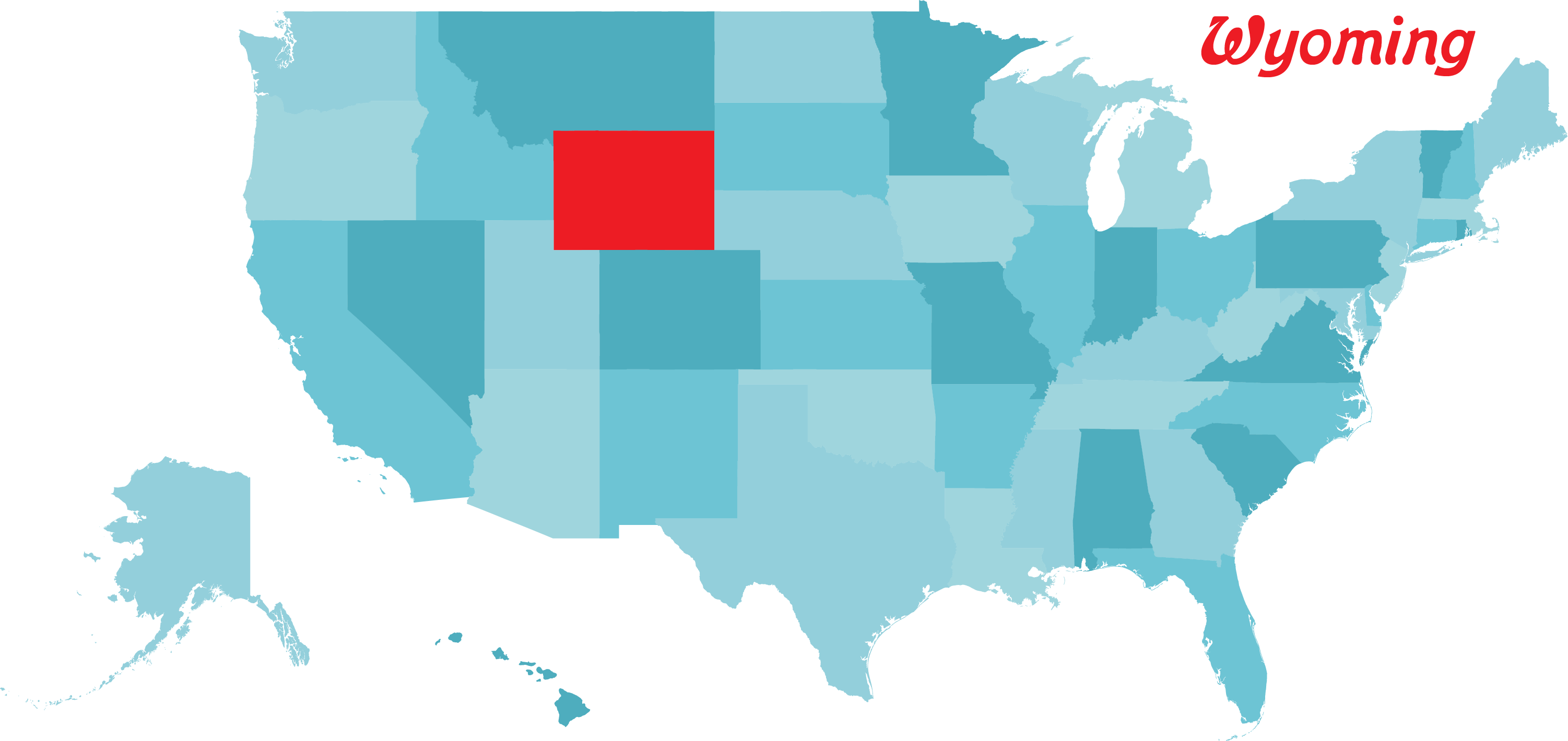
Teaching students about the geography of Wyoming helps them understand how land, climate, water, and natural resources affect people's lives. Located in the western United States, Wyoming is known for its mountains, wide-open plains, high plateaus, and beautiful national parks. Studying the state helps students learn how people adapt to their surroundings and how geography shapes communities.
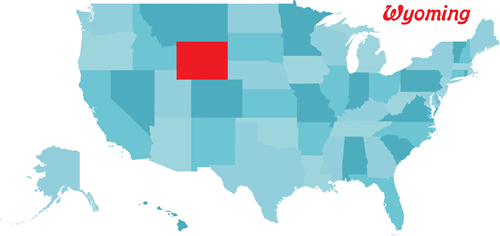 One of Wyoming's most important features is the Rocky Mountains. The state includes rugged mountain ranges, deep valleys, and high areas of land. The Great Plains cover much of eastern Wyoming, where grasslands support cattle ranching and other farming activities. Wyoming is also home to Yellowstone National Park and Grand Teton National Park. Teachers can use maps, photographs, and videos to help students identify these features and compare them with landforms in other states.
Wyoming's climate is another useful topic. The state often has cold winters, warm summers, and changing weather conditions. Mountain areas usually receive more snow than lower areas. Strong winds are also common in many parts of the state. Students can explore how elevation, temperature, and rainfall affect plants, animals, and human activities.
Water is important to Wyoming's people and wildlife. Rivers, streams, and mountain snowmelt provide water for communities, farms, and ranches. Students can learn how rivers connect different regions and why saving water matters, especially in dry areas. Teachers can also discuss how drought and changing weather may affect water supplies.
Wyoming's geography has helped shape its economy. Cattle ranching, farming, mining, and energy production provide jobs. Tourism is also important because visitors come to see the state's mountains, wildlife, and national parks. Cheyenne, the state capital, serves as a center for government and business.
Teaching Wyoming's geography builds map-reading, research, science, and history skills. Students learn how landforms and natural resources influence where people live and work. They can also explore ways to protect wildlife, conserve water, and care for public lands. These lessons help students understand Wyoming and appreciate the many different environments found across the United States.
|



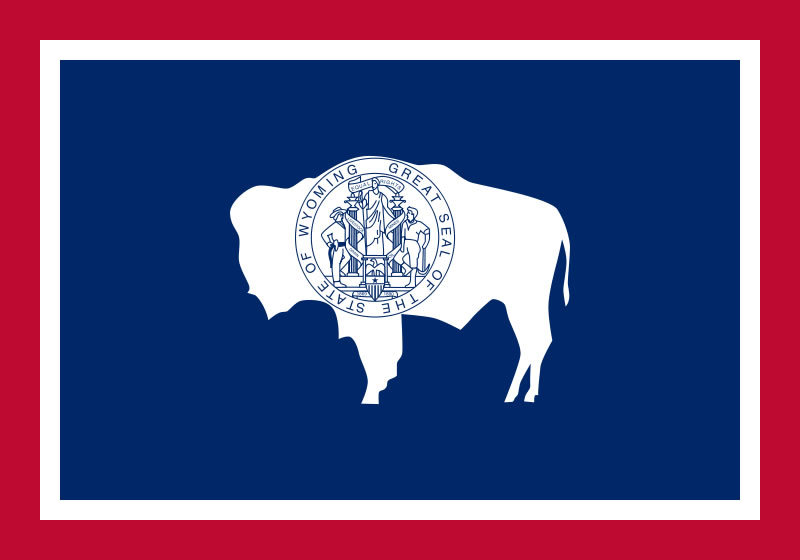
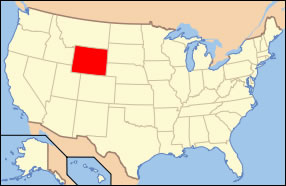
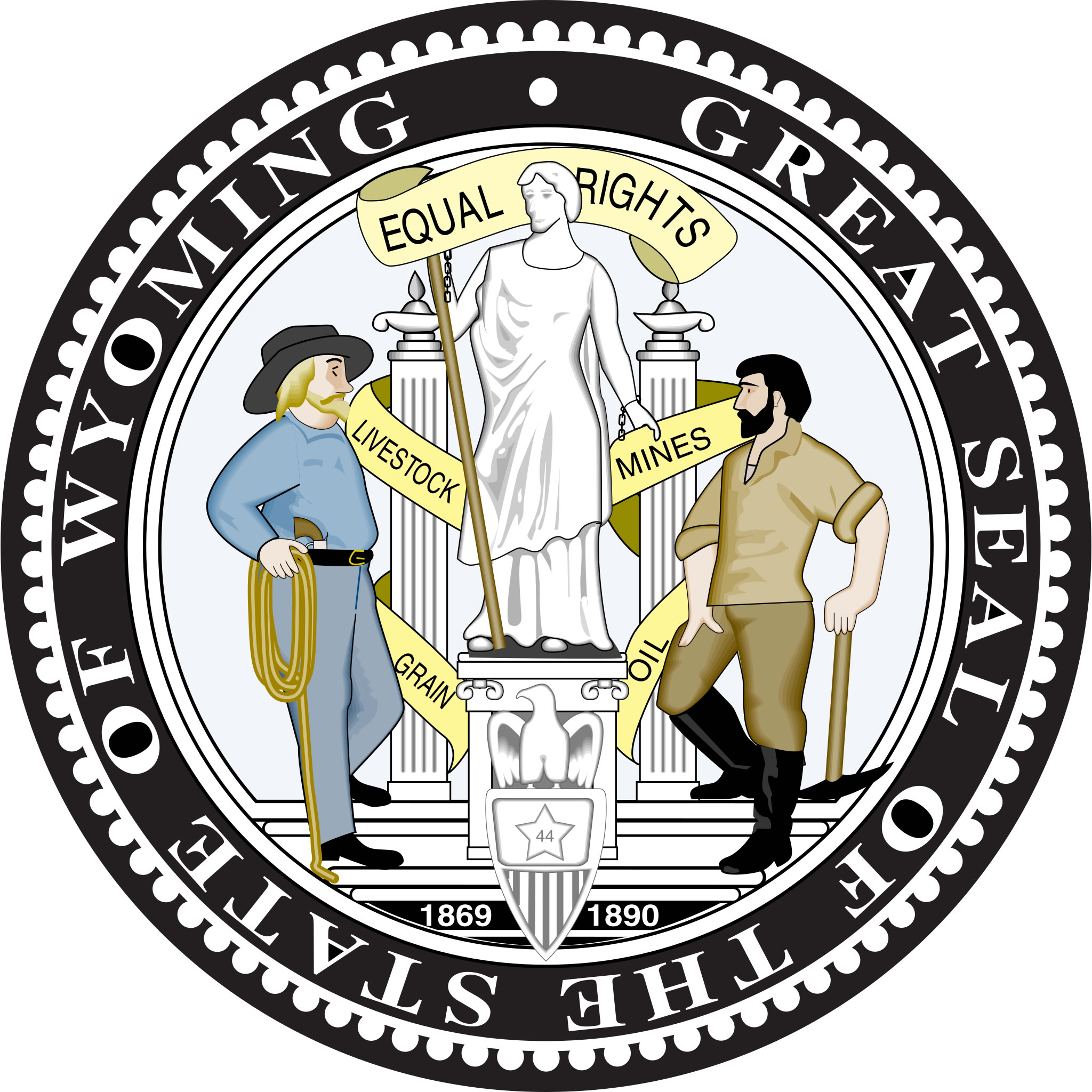

 One of Wyoming's most important features is the Rocky Mountains. The state includes rugged mountain ranges, deep valleys, and high areas of land. The Great Plains cover much of eastern Wyoming, where grasslands support cattle ranching and other farming activities. Wyoming is also home to Yellowstone National Park and Grand Teton National Park. Teachers can use maps, photographs, and videos to help students identify these features and compare them with landforms in other states.