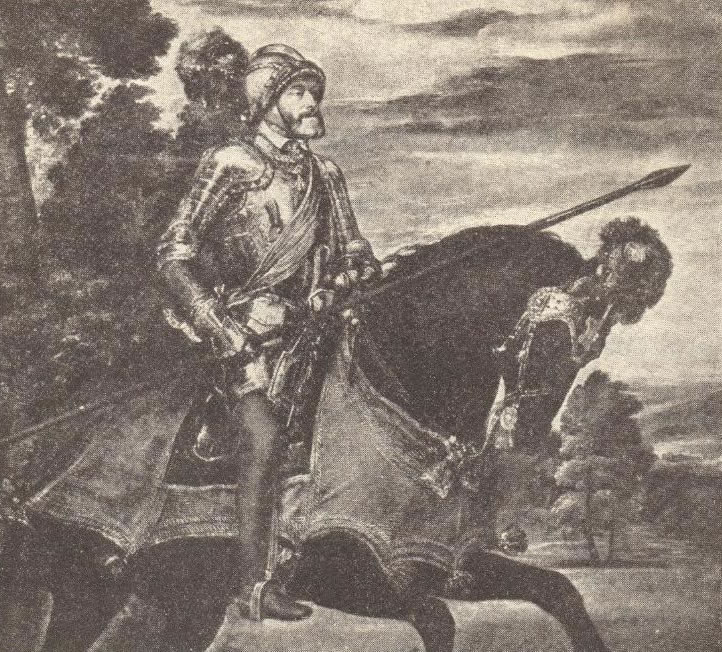
oly Roman Emperor Charles V, born on February 24, 1500, in Ghent, was one of the most powerful rulers of the 16th century, overseeing an empire that spanned Europe and the Americas. He was the son of Philip the Handsome of the Habsburg dynasty and Joanna of Castile, making him heir to a vast and diverse realm.
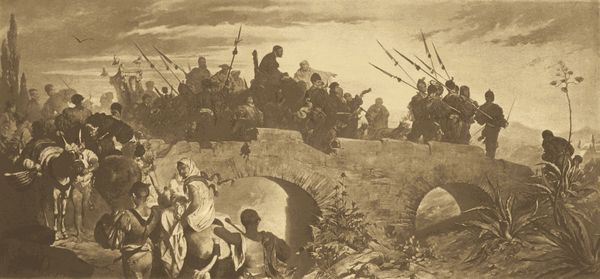 Charles V became King of Spain in 1516, inheriting territories in Europe and the New World. In 1519, he was elected Holy Roman Emperor, bringing the Habsburg lands in Austria and the Netherlands under his rule. His reign was marked by a series of significant political, religious, and military challenges.
One of the most pressing issues during Charles V's rule was the Protestant Reformation, initiated by Martin Luther in 1517. Charles, a devout Catholic, sought to maintain religious unity in his empire, leading to numerous conflicts with Protestant princes and the eventual Peace of Augsburg in 1555, which allowed for the coexistence of Catholicism and Lutheranism within the empire.
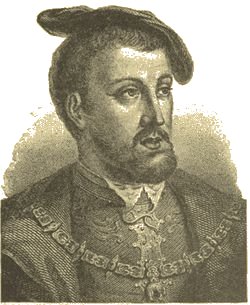 Charles V also faced formidable external threats. He engaged in prolonged conflicts with Francis I of France, the Ottoman Empire under Suleiman the Magnificent, and various Italian states. His efforts to protect and expand his territories in Europe were relentless, though often exhausting and financially draining.
Despite his vast empire, Charles V struggled with the administrative complexities of his diverse lands. In 1556, weary and ill, he abdicated his thrones, dividing his empire between his son, Philip II of Spain, and his brother, Ferdinand I, who became Holy Roman Emperor.
Charles V retired to the Monastery of Yuste in Spain, where he spent his remaining years until his death on September 21, 1558. His reign left a lasting impact on European politics, religion, and the balance of power, marking the end of an era of medieval unity and the beginning of the modern state system.
※ Learning Extension: Have your students research the terms of the Peace of Augsburg (1555).
|