 eaching K-12 students about Pepin the Short is valuable because his story shows how small steps can lead to big changes. Pepin was a Frankish king who lived in the 700s, and he played a key role in shaping medieval Europe.
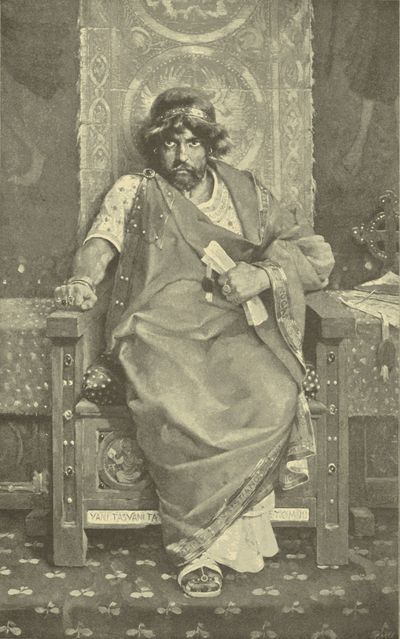
Pepin helps students understand how power changes hands. Pepin was not born a king. His father was Charles Martel, the famous leader who stopped an invasion at the Battle of Tours. Pepin served as mayor of the palace, the real power behind the throne. In 751, he took a bold step and became king himself. This teaches students that leadership can change and that history is full of turning points.
Pepin's story connects to the rise of Charlemagne. Pepin was Charlemagne's father. When Pepin died, he passed the kingdom to his sons, and Charlemagne eventually built one of the largest empires in Europe. Learning about Pepin prepares students for later lessons about Charlemagne and the Middle Ages. It shows that great leaders often stand on the shoulders of those who came before them.
Pepin teaches lessons about religion and politics. Pepin worked closely with the pope and helped protect the Catholic Church. He gave land to the pope, which helped create the Papal States. This is a good starting point for discussing how religion and government have mixed throughout history.
 Pepin's nickname makes him memorable. He was called "the Short," possibly because he was not tall. But his achievements were anything but small. Students can learn that size does not determine greatness. Pepin the Short is a reminder that even lesser-known figures can shape the world. For K-12 pupils, his story makes the Middle Ages feel real and connected to today.
Learning Extension: Have students research how Pepin (also spelled Pippin) deposed Childeric III in 751, becoming king of the Franks.
|