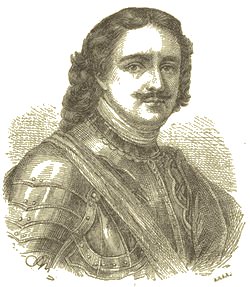
 eaching K-12 students about Peter the Great is valuable because his story shows how one ruler can push a whole country to change. Peter was a Russian tsar who lived from 1672 to 1725, and he worked hard to make Russia more modern and powerful.
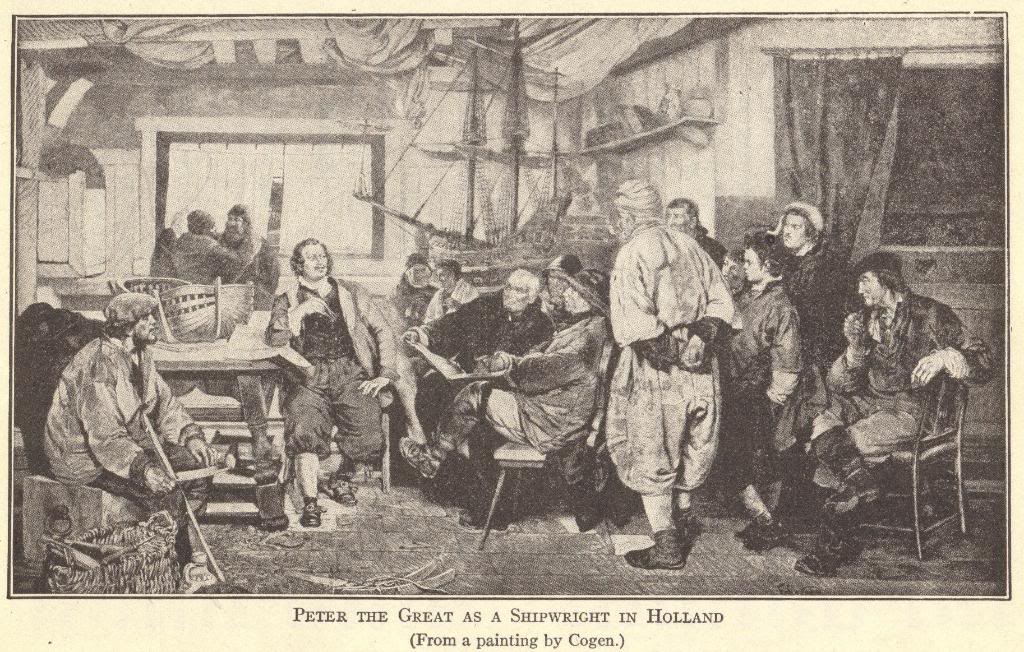
Peter's story teaches students about courage and curiosity. When Peter was young, Russia was far behind Western Europe in science, technology, and shipbuilding. Peter wanted to learn how other countries did things, so he traveled to places like Holland and England. He even worked in a shipyard himself, learning to build ships with his own hands. This shows students that leaders can be learners too, and that asking questions and trying new things is a strength.
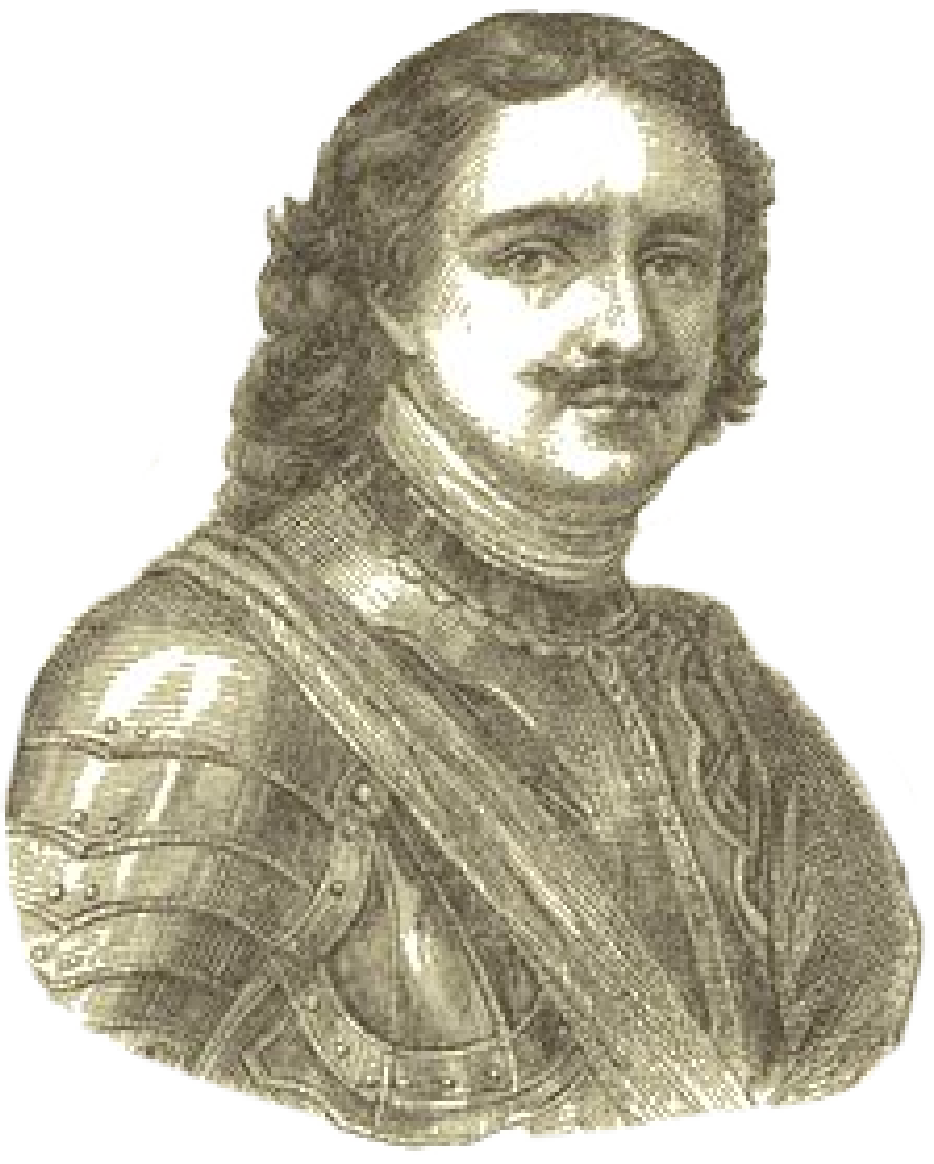
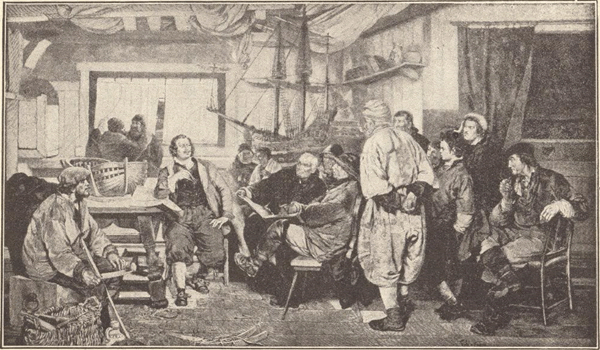 Peter helps students understand how countries modernize. When he returned to Russia, Peter forced big changes. He made men cut off their long beards, started schools, built a new capital city called St. Petersburg, and created a strong navy. Some people loved these changes, and some hated them. This is a great chance for students to discuss whether change is always good and who gets to decide.
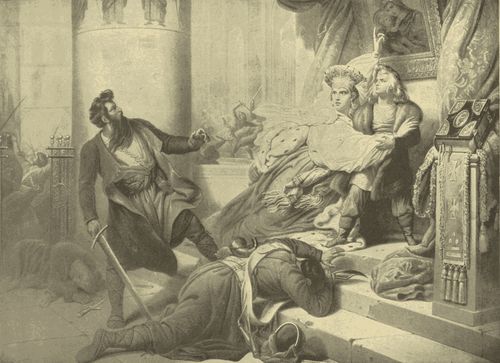 Peter's story connects to geography. St. Petersburg was built on a swamp near the sea, and thousands of workers died building it. Students can look at maps and see why Peter wanted a port city that could trade with Europe. This helps them see how geography shapes decisions.
Last but not least, Peter's nickname makes him memorable. "The Great" tells students that history remembers him as a giant figure. But his story also shows that greatness comes with costs. For K-12 pupils, Peter the Great is a fascinating example of a leader who changed his country forever.
Learning Extension: Have students locate Saint Petersburg and Moscow on a map.
|



 Peter helps students understand how countries modernize. When he returned to Russia, Peter forced big changes. He made men cut off their long beards, started schools, built a new capital city called St. Petersburg, and created a strong navy. Some people loved these changes, and some hated them. This is a great chance for students to discuss whether change is always good and who gets to decide.