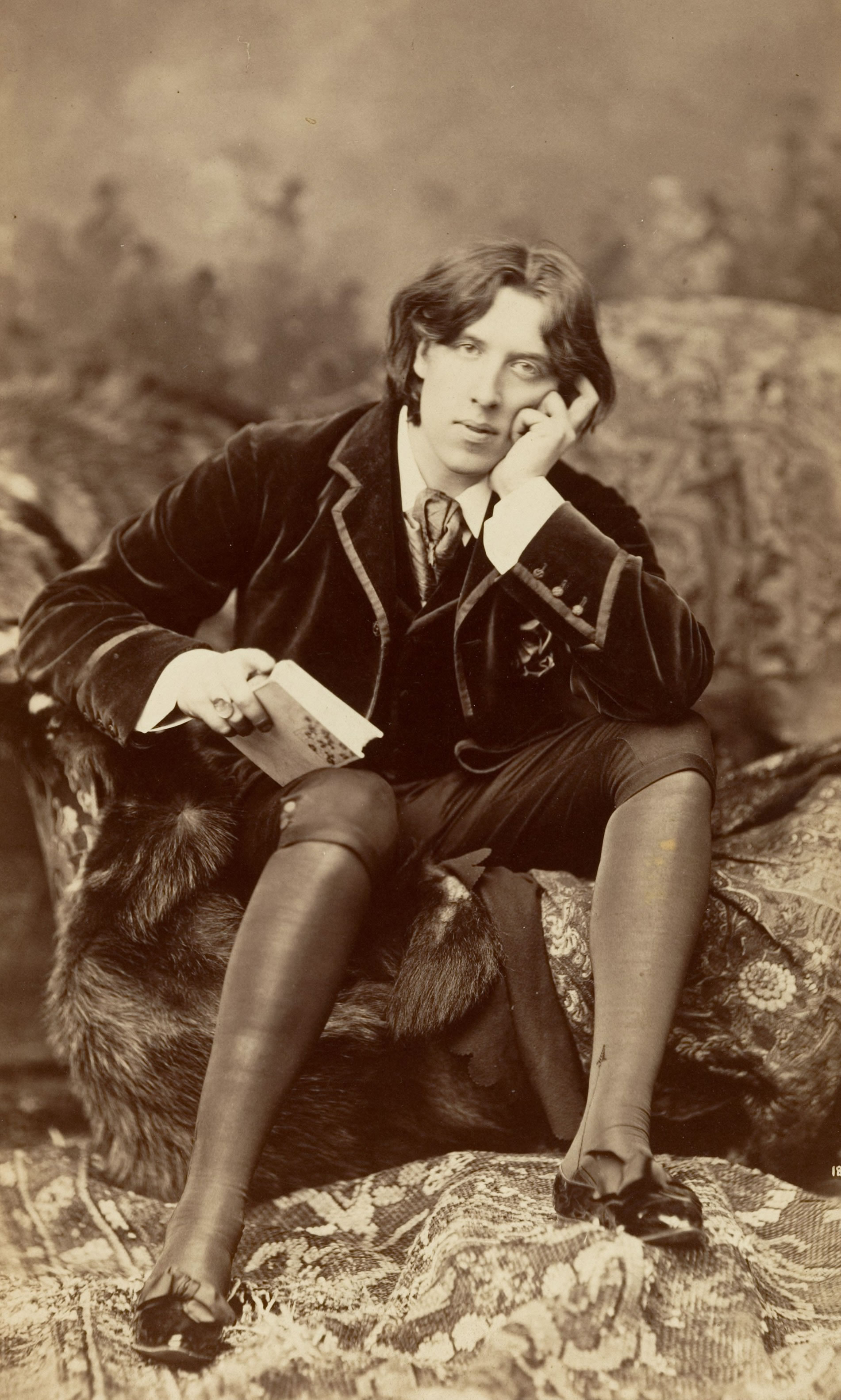
Studying Oscar Wilde's literary output offers K-12 students a multifaceted educational journey that extends far beyond mere reading comprehension. His works, particularly accessible selections like "The Happy Prince" and "The Canterville Ghost" for younger students, and The Importance of Being Earnest or The Picture of Dorian Gray for older ones, serve as brilliant gateways to critical thinking. Wilde's signature wit and epigrams train students to analyze language, unpack satire, and appreciate the power of irony and social critique.
Furthermore, Wilde's writing provides a timeless exploration of enduring human themes—the nature of integrity, the conflict between societal expectation and authentic self, and the consequences of vanity and kindness. These explorations foster rich classroom discussions on ethics, empathy, and identity. On a biographical level, Wilde's life story introduces important historical and social contexts, including Victorian norms and the profound personal cost of prejudice, thereby encouraging inclusivity and resilience.
Ultimately, Wilde's genius lies in his ability to entertain while provoking thought. Engaging with his clever dialogue, rich symbolism, and moral parables equips students with sharper analytical skills, a deeper understanding of thematic nuance, and an appreciation for the enduring power of art to question the world. His work proves that literature can be both delightfully amusing and profoundly meaningful.
|