Teaching the Scientific Revolution with a wide variety of materials helps World History teachers reach every student in the classroom. The Scientific Revolution is full of big ideas—gravity, the solar system, and new ways of thinking—and a single textbook often makes these ideas feel dry and far away. Mixing things up keeps the topic alive!
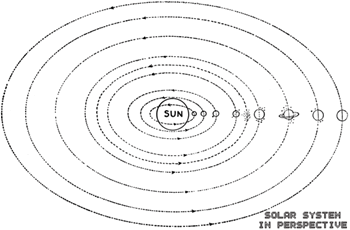 Different materials reach different learners. A video about Galileo looking through his telescope can hook students who love visuals. A hands-on activity, like building a simple model of the solar system, helps students who learn by doing. A short reading about Isaac Newton helps students who prefer words. When teachers use many kinds of miscellaneous materials, more students get a chance to understand and stay engaged with this subject.
Varied materials teach students how historians actually work. The Scientific Revolution is a perfect topic for showing students real letters, drawings, and diagrams from the 1500s and 1600s. When students look at an actual sketch of a telescope or a page from an old book, history stops being a list of names. It becomes a mystery they can explore. This builds critical thinking skills as students ask questions about what they see.
A mix of materials helps teachers explain how science, religion, and politics clashed. A timeline, a debate activity, or a story about a scientist who got in trouble with the church can each show a different side of the same conflict. Students learn that history has many angles.
Variety keeps lessons fresh and memorable. A student might forget a textbook paragraph, but they will remember acting out a debate or examining a strange old drawing. When teachers use many materials, the Scientific Revolution becomes a story students can see, touch, and talk about—not just read!
|




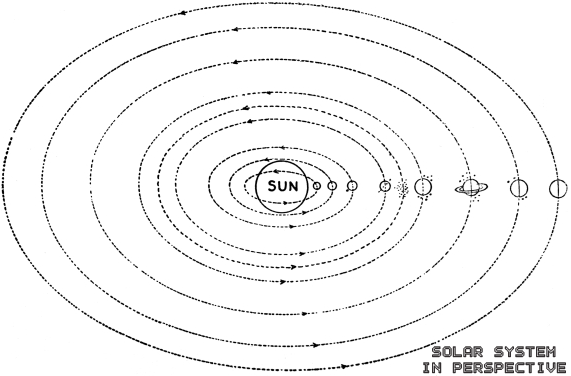 Different materials reach different learners. A video about Galileo looking through his telescope can hook students who love visuals. A hands-on activity, like building a simple model of the solar system, helps students who learn by doing. A short reading about Isaac Newton helps students who prefer words. When teachers use many kinds of miscellaneous materials, more students get a chance to understand and stay engaged with this subject.