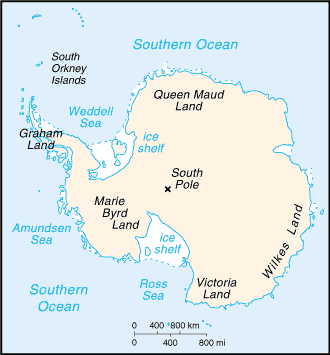
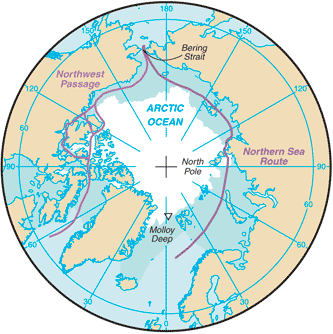
Learning about the geography of the Poles is helpful because it introduces your K-12 students to the most extreme environments on Earth and their importance to the whole planet. The Arctic is an ocean surrounded by land, including parts of Canada, Russia, Greenland, and Alaska. Antarctica is a continent surrounded by ocean, covered almost entirely by ice. Both regions are cold, windy, and dark for months at a time, yet they are home to remarkable wildlife like polar bears in the Arctic and penguins in Antarctica.
Studying the Poles builds key geographic skills. Your charges can explore how latitude, sunlight, and ocean currents shape climate, and why the Poles have seasons of midnight sun and polar night. They can also learn how ice sheets and glaciers store most of the world's fresh water, and why melting ice affects sea levels worldwide. These regions play a huge role in regulating Earth's climate.
For your young pupils, the Poles are memorable because of their dramatic landscapes and animals. Studying them builds map skills, environmental awareness, and understanding of how geography connects to global issues like climate change. It also teaches students that even the most distant places on Earth are connected to their own lives.
|