Teaching students about the geography of Nova Scotia is an incredibly enriching experience for K-12 educators because it introduces them to a Canadian province shaped by the Atlantic Ocean, coastal landscapes, and centuries of human history. Located in eastern Canada, Nova Scotia is part of the Atlantic provinces and is known for its rocky shorelines, fishing communities, forests, lakes, and historic towns. Studying this region helps students understand how geography influences people's lives, jobs, culture, and connections with the wider world.
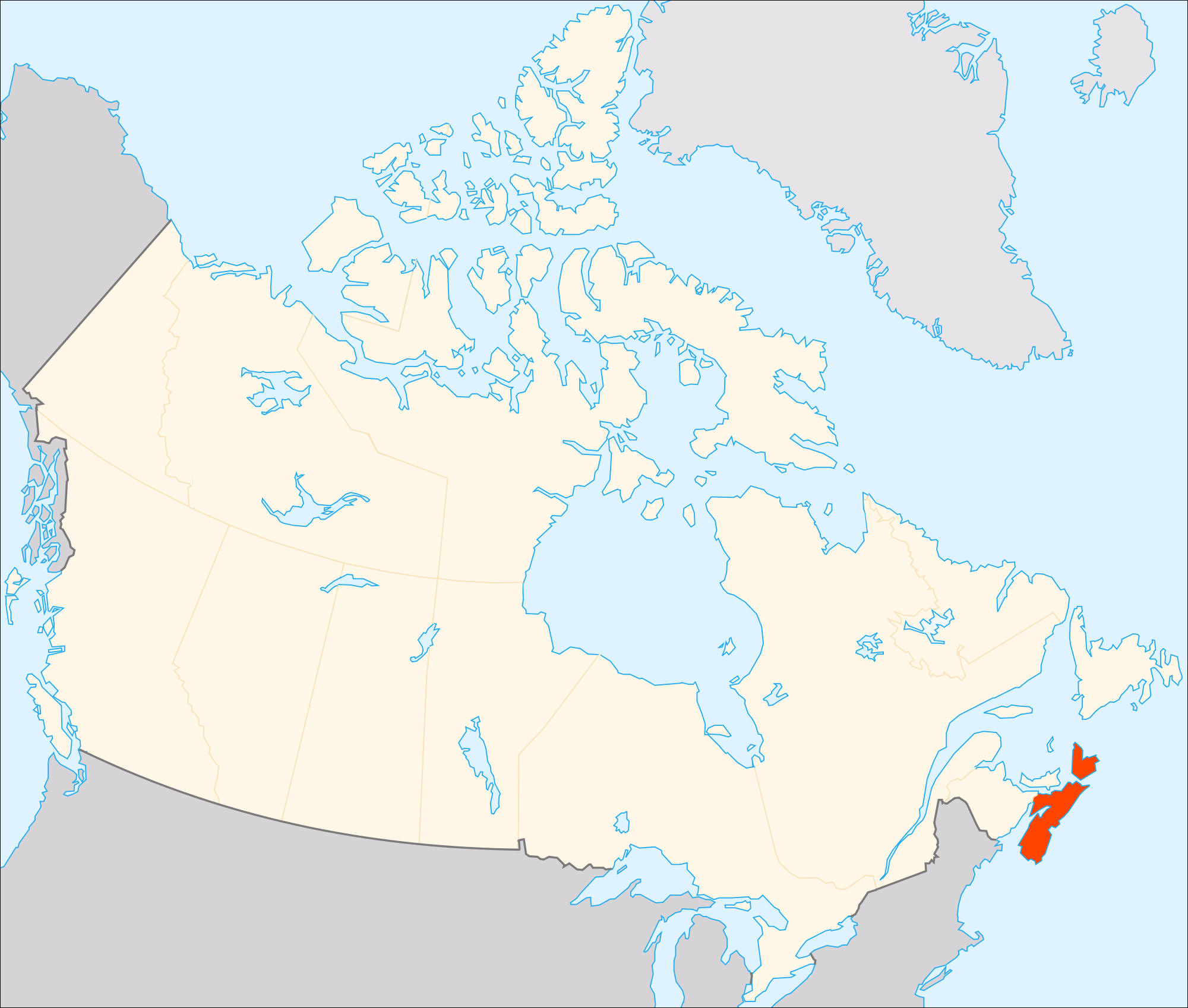
One important benefit of studying Nova Scotia is exploring its physical geography. The province is almost completely surrounded by water and is connected to mainland New Brunswick by a narrow land connection. Cape Breton Island, which forms part of the province, features the beautiful highlands of Cape Breton Highlands National Park. Students can examine maps to locate bays, harbors, rivers, and islands while learning how glaciers, waves, and other natural forces have shaped the landscape.
Nova Scotia's coastal location also provides valuable lessons about the ocean and the economy. Fishing, shipping, and tourism have played important roles in the province's development. Students can investigate how harbors support transportation and trade and why communities developed near the coast. They can also explore how the Atlantic Ocean affects weather, creates habitats for marine life, and influences daily activities.
Studying Nova Scotia encourages environmental awareness as well. Coastal erosion, rising sea levels, changing ocean conditions, and powerful storms can affect homes, roads, and wildlife habitats. Educators can use these examples to connect geography with science and climate studies. Students can discuss how communities protect coastlines, conserve natural resources, and prepare for environmental challenges.
The province also offers opportunities to explore cultural geography. Nova Scotia is home to Mi'kmaq communities, whose history and traditions are deeply connected to the land and water. Acadian communities and people of Scottish, African, and other backgrounds have also helped shape the province's cultural identity. Learning about these communities encourages students to appreciate different traditions and understand how migration, settlement, and geography influence culture.
Finally, studying Nova Scotia helps students strengthen map-reading skills, critical thinking, and global awareness. They can compare its maritime environment with inland regions and examine how location affects transportation, settlement, and economic activity.
Ultimately, teaching Nova Scotia's geography helps students recognize the close relationship between people and their environment. It inspires curiosity about Canada, encourages respect for cultural diversity, and shows how geography helps explain the world around us.
|