Teaching students about Canada's geography gives K-12 educators an incredible way to connect maps, culture, and real-world issues. This vast and beautiful country offers lessons that are both engaging and unforgettable.
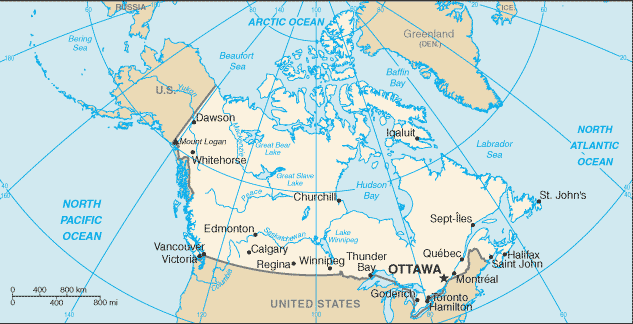
Canada is the second-largest country in the world by land area. Its landscape is amazingly diverse. Students can explore towering Rocky Mountains, endless prairies, dense forests, frozen tundra, and thousands of lakes. It also has the longest coastline of any country. Learning about these features helps students understand how geography shapes where people live, how they work, and how they travel.
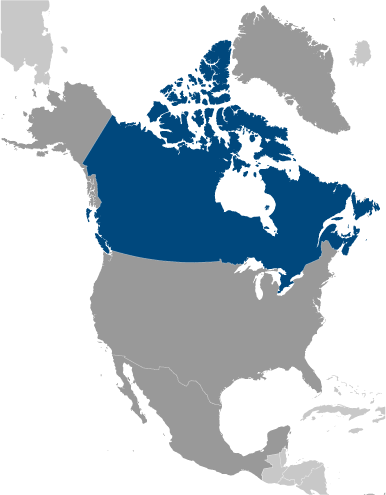
Location matters too. Canada shares the longest international border in the world with the United States. This relationship affects trade, migration, and culture. Teaching this helps students see how neighbors depend on each other.
Canada is also rich in cultural diversity. It has Indigenous peoples with deep roots, plus French and English heritage, and immigrants from around the world. Geography lessons naturally lead to discussions about languages, traditions, and respect for different ways of life.
Environmental topics add another layer. Climate change is warming the Arctic faster than anywhere else. This affects polar bears, Inuit communities, and global sea levels. Students can connect geography to science, current events, and civic responsibility.
Natural resources like oil, timber, and fresh water make Canada important globally. Students can discuss how resources are used and protected.
Finally, learning about Canada builds curiosity and global awareness. Many classrooms include students with Canadian heritage, so these lessons can feel personal and meaningful.
In short, Canada is a fantastic teaching tool. Its mountains, tundra, cities, and cultures bring geography to life. When educators include Canada in their lessons, they help students become more informed, caring, and globally aware citizens.
|