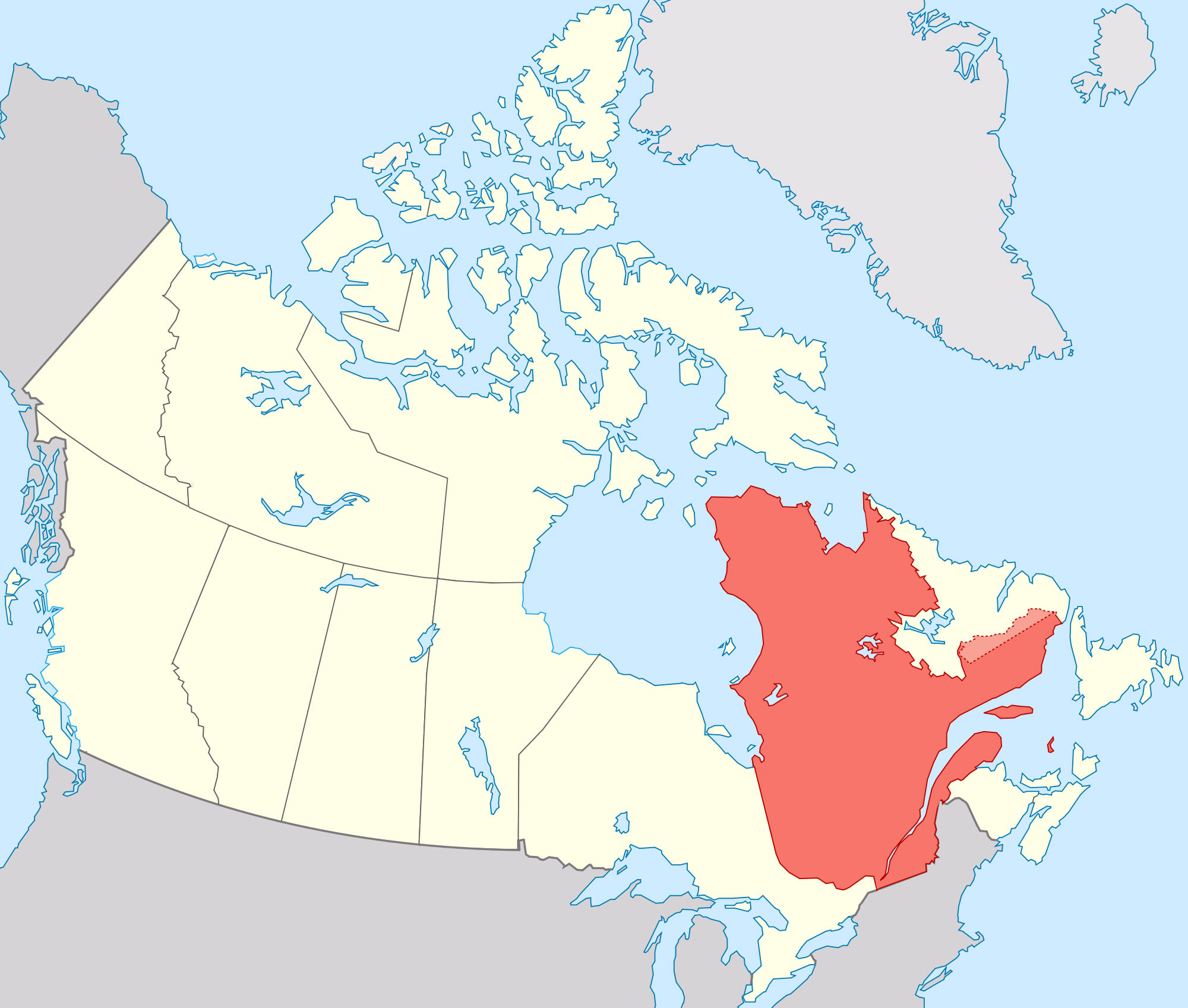
Teaching students about the geography of Québec is an incredibly enriching experience for K-12 educators because it introduces them to Canada's largest province by area and one of its most distinctive regions. Located in eastern Canada, Québec features vast forests, powerful rivers, mountains, lakes, fertile farmland, and busy cities. Studying its geography helps students understand how landforms, climate, natural resources, and location influence communities, economic activities, and cultural traditions.
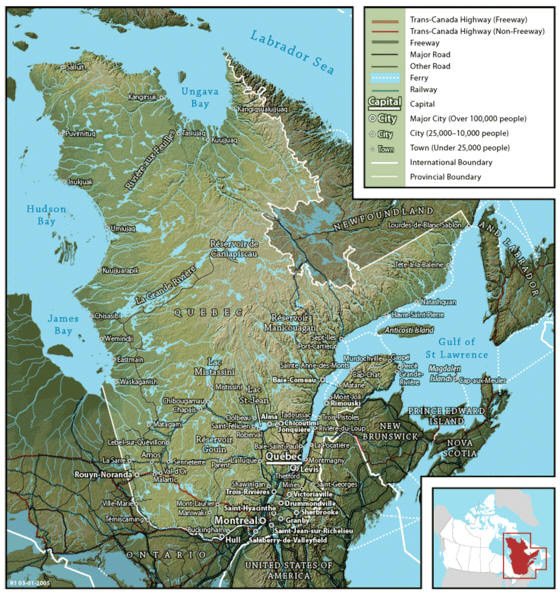
One important benefit of learning about Québec is exploring its physical geography. The St. Lawrence River is a major waterway that connects the Great Lakes region with the Atlantic Ocean. It has supported transportation, trade, and settlement for centuries. Students can also investigate the Canadian Shield, a vast area of ancient rock, forests, and lakes that covers much of the province. In southern Québec, the Appalachian Mountains provide another example of how Earth's natural processes shape landscapes.
Québec's geography also offers valuable lessons about climate and natural resources. Winters are often cold and snowy, while summers can be warm and humid in the southern part of the province. These seasonal changes influence farming, recreation, transportation, and daily life. Québec also produces large amounts of hydroelectric power by using moving water to generate electricity. Students can explore how rivers provide energy and why renewable resources are important to modern communities.
Studying Québec encourages environmental awareness as well. Its forests, wetlands, lakes, and rivers provide habitats for many plants and animals. However, pollution, habitat loss, and climate change can threaten these ecosystems. Educators can help students investigate conservation efforts and consider how communities can protect natural resources while meeting people's needs.
Québec also provides an excellent opportunity to explore cultural geography. French is the province's official language, and French Canadian traditions strongly influence its identity. Indigenous peoples, including the Cree, Inuit, Innu, and many First Nations communities, have deep historical and cultural connections to the region. Students can learn how language, migration, settlement, and geography shape communities and cultural traditions.
Finally, studying Québec strengthens map-reading skills, critical thinking, and global awareness. Students can locate major cities such as Québec City and Montreal, compare northern and southern regions, and examine how waterways connect communities.
Ultimately, teaching Québec's geography helps students understand the close relationship between people and their environment. It encourages curiosity about Canada, respect for cultural diversity, and appreciation for the natural features that shape life around the world.
|