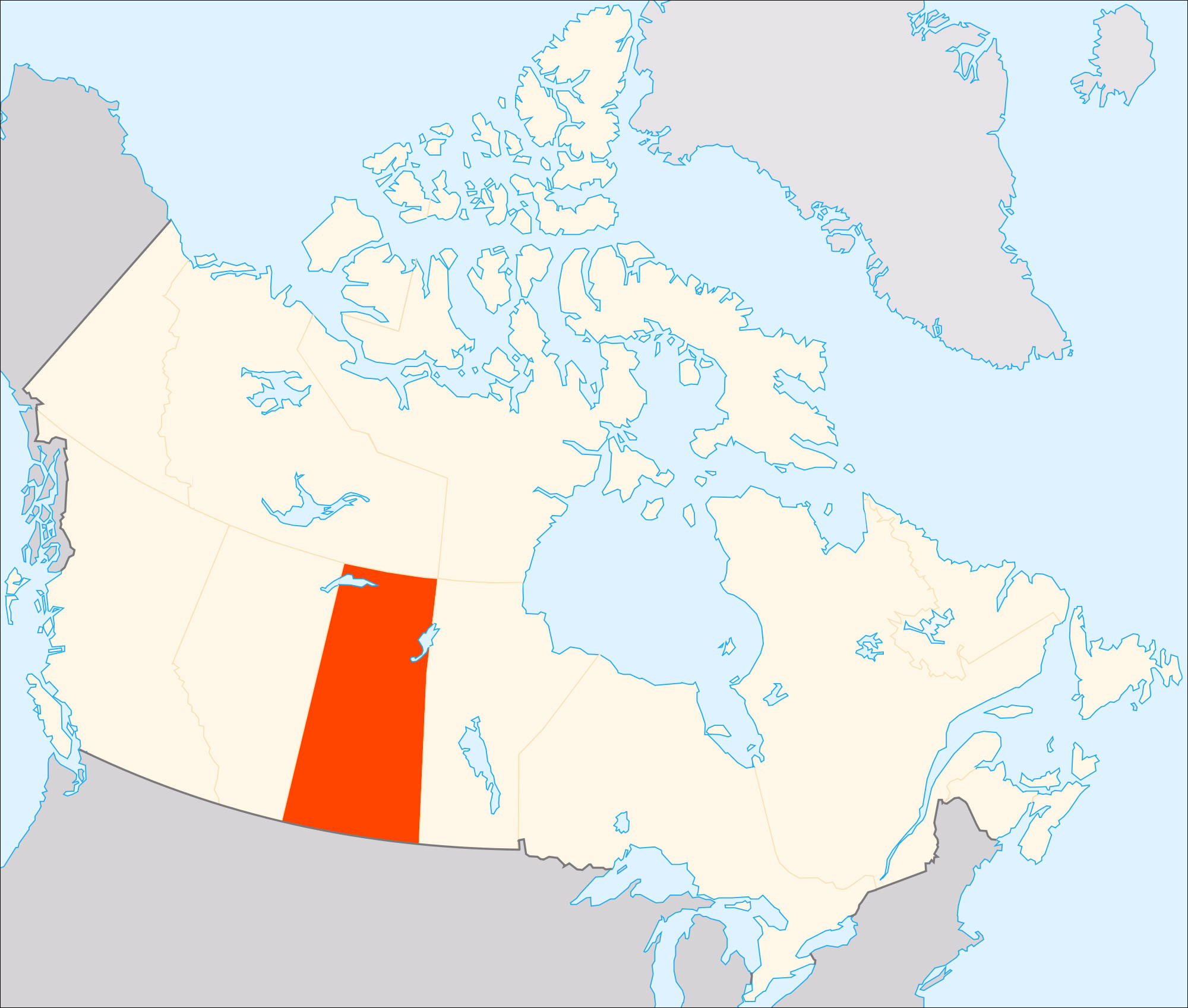
Teaching students about the geography of Saskatchewan is an incredibly enriching experience for K-12 educators because it introduces them to a Canadian province known for its wide-open prairies, rich farmland, beautiful lakes, and important natural resources. Located in western Canada, Saskatchewan offers many opportunities for students to explore how landforms, climate, water, and natural resources influence communities and economic activities.
One important benefit of studying Saskatchewan is learning about its physical geography. The southern part of the province features broad grasslands and gently rolling plains, while the north contains large forests, rocky landscapes, and thousands of lakes. Students can examine maps to identify these different regions and discover how glaciers helped shape the land thousands of years ago. Comparing Saskatchewan's landscapes with mountains, forests, and coastal regions elsewhere in Canada helps students understand the country's geographic diversity.
Saskatchewan's geography also provides valuable lessons about agriculture. The province is one of Canada's major producers of wheat, canola, and other crops. Its fertile soils and large areas of flat land support farming, while seasonal temperatures and rainfall influence planting and harvesting. Students can explore how farmers depend on weather conditions, soil quality, and water supplies to grow food. These lessons connect geography with science, economics, and the food people eat every day.
Studying Saskatchewan also encourages environmental awareness. The province's grasslands, forests, wetlands, and lakes provide habitats for many plants and animals. However, droughts, flooding, habitat loss, and changing temperatures can affect farming and wildlife. Educators can help students investigate how communities conserve water, protect natural habitats, and manage resources responsibly. These topics encourage critical thinking about environmental challenges and possible solutions.
The province also offers opportunities to explore cultural geography. Indigenous peoples, including Cree, Dene, Dakota, Lakota, Nakota, and Saulteaux communities, have deep connections to the land. Their histories, languages, and traditions help students understand how people interact with their environments. Saskatchewan is also home to communities shaped by immigration from many parts of the world, adding to its cultural diversity.
Finally, learning about Saskatchewan strengthens map-reading skills, geographic knowledge, and global awareness. Students can locate major cities such as Regina and Saskatoon, trace rivers, and compare rural communities with urban centers.
Ultimately, teaching Saskatchewan's geography helps students understand how natural features influence farming, settlement, culture, and daily life. It inspires curiosity, encourages respect for different communities, and shows how geography helps explain the relationships between people and the world around them.
|