Teaching students about the geography of Delaware is a valuable way for K-12 educators to connect geography with history, science, economics, and environmental studies. Although Delaware is one of the smallest states in the United States, it has a varied landscape that includes Atlantic coastal beaches, wetlands, forests, rivers, and fertile farmland. Studying these features helps students understand how geography influences communities, industries, and everyday life.
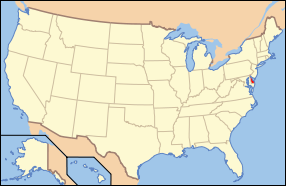
Delaware's location along the Atlantic coast and Delaware Bay makes it especially interesting to study. Its waterways have supported shipping, fishing, trade, and settlement for centuries. The Delaware River and Delaware Bay form important transportation routes, connecting the state with nearby communities and larger markets. Coastal areas also provide habitats for birds, fish, and other wildlife. Teachers can use maps and photographs to help students explore how rivers, bays, and coastlines shape the natural environment.
The state's climate offers additional learning opportunities. Delaware experiences four seasons, with warm summers, cool winters, and changing rainfall throughout the year. Students can investigate how weather affects farming, tourism, wildlife, and daily activities. They can also learn about coastal flooding, storms, and the importance of protecting wetlands and clean water.
Geography plays an important role in Delaware's economy. The state has productive farmland where farmers grow corn, soybeans, vegetables, and fruits. Poultry farming is particularly important to the agricultural industry. Delaware also benefits from shipping, manufacturing, tourism, and financial services. Coastal towns attract visitors who enjoy beaches and outdoor recreation, while Wilmington serves as an important center for business and transportation.
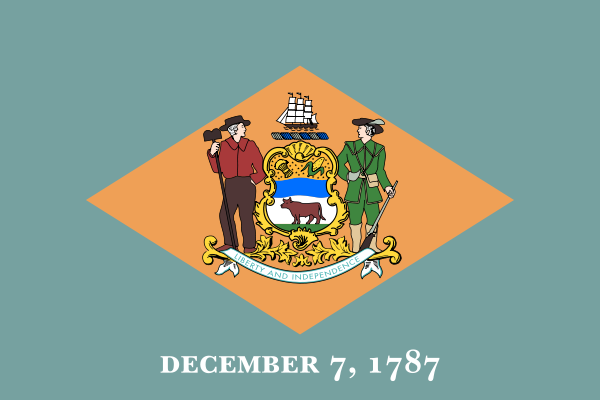
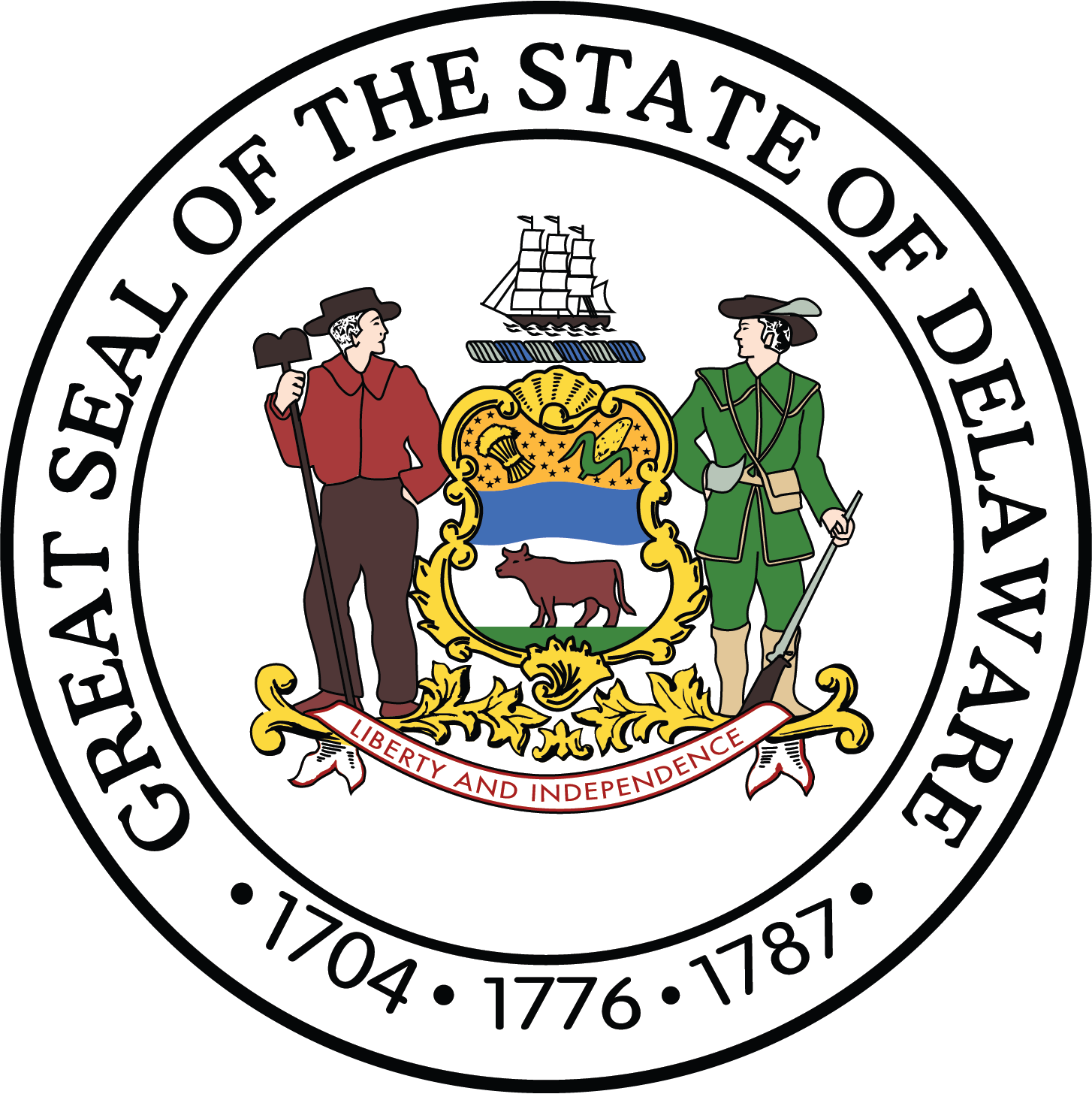
Delaware's geography is closely connected to its history. Indigenous peoples, including the Lenape, lived in the region long before European settlement. Later, Dutch, Swedish, and English settlers established communities along waterways and coastal areas. Delaware became the first state to ratify the U.S. Constitution on December 7, 1787.
By studying Delaware, students strengthen map-reading skills, develop environmental awareness, and learn how geography shapes history, culture, and economic activity. These lessons help young people appreciate the connections between people and the places they inhabit.
|