Teaching students about Rhode Island's geography is a smart move for any K-12 teacher. The Ocean State is small, but its geography packs a powerful punch for learning.
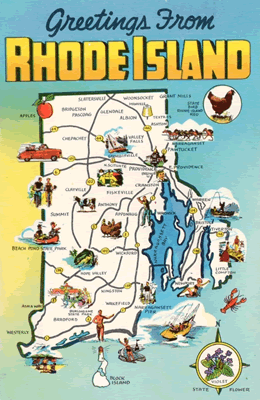 First, Rhode Island is the perfect "laboratory" for geography lessons because everything is close by. Teachers can connect classroom ideas to places students can actually visit. A lesson on Narragansett Bay becomes real when students picture the fishing boats and beaches they know. Field trips to places like Beavertail State Park or the Blackstone River Valley turn map skills into hands-on adventures. When learning feels local, it sticks.
Second, Rhode Island's geography explains a lot about how people live. Students can explore why cities like Providence grew where they did—along rivers and at the head of the bay. They can see how the coastline shapes jobs like fishing and tourism. Understanding these connections helps students think critically about how geography affects daily life, from housing to transportation.
Third, studying their own state builds pride and responsibility. When students learn about Rhode Island's delicate coastline, its ponds, and its forests, they are more likely to care for them. Geography lessons can spark discussions about erosion, flooding, and protecting natural spaces—issues that matter right in students' backyards.
Finally, Rhode Island's geography connects to bigger ideas. The state's small size makes it easy to see how communities depend on each other. Lessons about borders, watersheds, and regional cooperation become clear when students look at their own towns and neighbors.
In short, teaching Rhode Island geography makes learning personal, practical, and memorable. It helps students understand their home, care for it, and connect it to the wider world—one small state with big lessons.
|


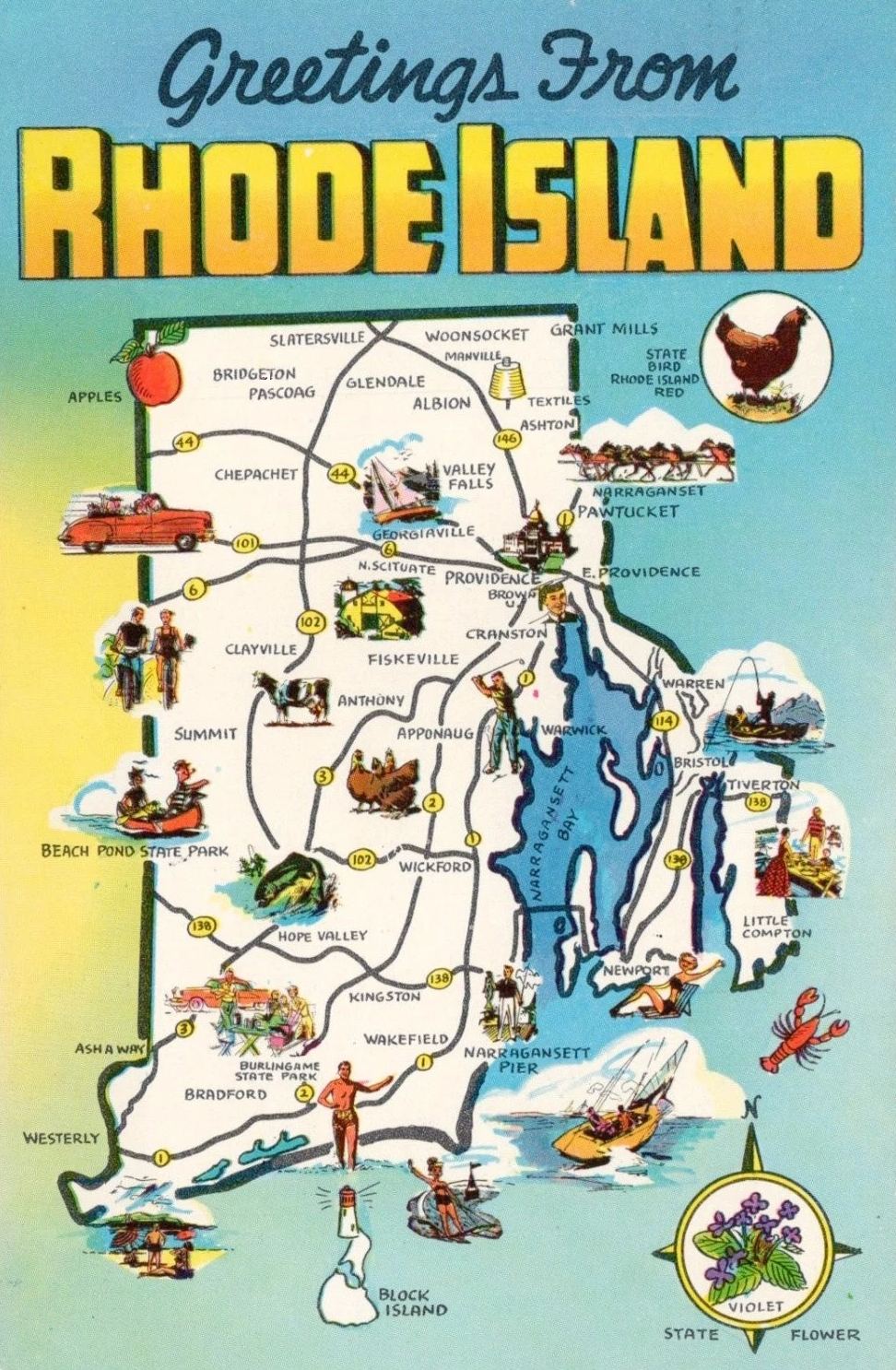 First, Rhode Island is the perfect "laboratory" for geography lessons because everything is close by. Teachers can connect classroom ideas to places students can actually visit. A lesson on Narragansett Bay becomes real when students picture the fishing boats and beaches they know. Field trips to places like Beavertail State Park or the Blackstone River Valley turn map skills into hands-on adventures. When learning feels local, it sticks.