Teaching students about Vermont's geography offers real benefits for K-12 classrooms! Vermont is small and rural, but its landscape tells a big story that connects to science, history, and community life.
First, Vermont's geography is a natural outdoor classroom. The Green Mountains run down the middle of the state, shaping weather, wildlife, and where people live. Students can study mountain ecosystems, maple forests, and the Connecticut River Valley right in their own backyard. Lessons about erosion, watersheds, and seasons become concrete when students can step outside and see them happening.
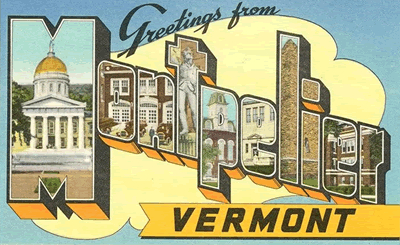 Second, Vermont's geography explains its history and economy. Students can learn why towns grew along rivers, how rocky soil made farming tough but dairy farming successful, and why skiing and tourism became major industries. Understanding these connections helps students see how the land has shaped the way people work and live for generations.
Third, studying Vermont builds environmental stewardship. Vermont is known for its strong conservation ethic and places like the Green Mountain National Forest and Lake Champlain. When students learn about these resources, they are more likely to protect them. Geography lessons can spark discussions about clean water, land use, and climate change—issues that affect Vermonters directly.
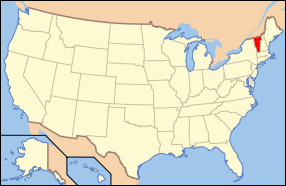
Finally, Vermont's geography connects local learning to the wider world. The state's borders with Canada, New York, and New Hampshire make lessons about regions and cooperation feel real. Students can compare Vermont's rural communities to cities elsewhere and think about how geography influences choices.
In short, teaching Vermont geography makes learning personal and practical. It helps students understand their home state, care for its natural places, and connect local lessons to bigger ideas—proving that even a small state can offer big learning opportunities.
|



 Second, Vermont's geography explains its history and economy. Students can learn why towns grew along rivers, how rocky soil made farming tough but dairy farming successful, and why skiing and tourism became major industries. Understanding these connections helps students see how the land has shaped the way people work and live for generations.