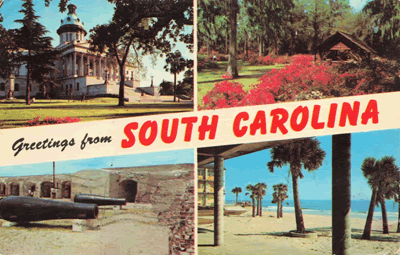
Teaching the geography of South Carolina helps K-12 students understand the state's natural features, communities, and resources. Located in the southeastern United States, South Carolina has a varied landscape that includes mountains, rolling hills, forests, rivers, and coastal beaches. Studying these features helps students learn how geography affects where people live, how they work, and how communities grow.
 Students can begin by locating South Carolina on a map and identifying its neighboring states, North Carolina and Georgia. They can also locate the Atlantic Ocean and important rivers, including the Savannah River and the Santee River. These activities help students practice reading maps, using directions, and understanding how geographic features connect different places.
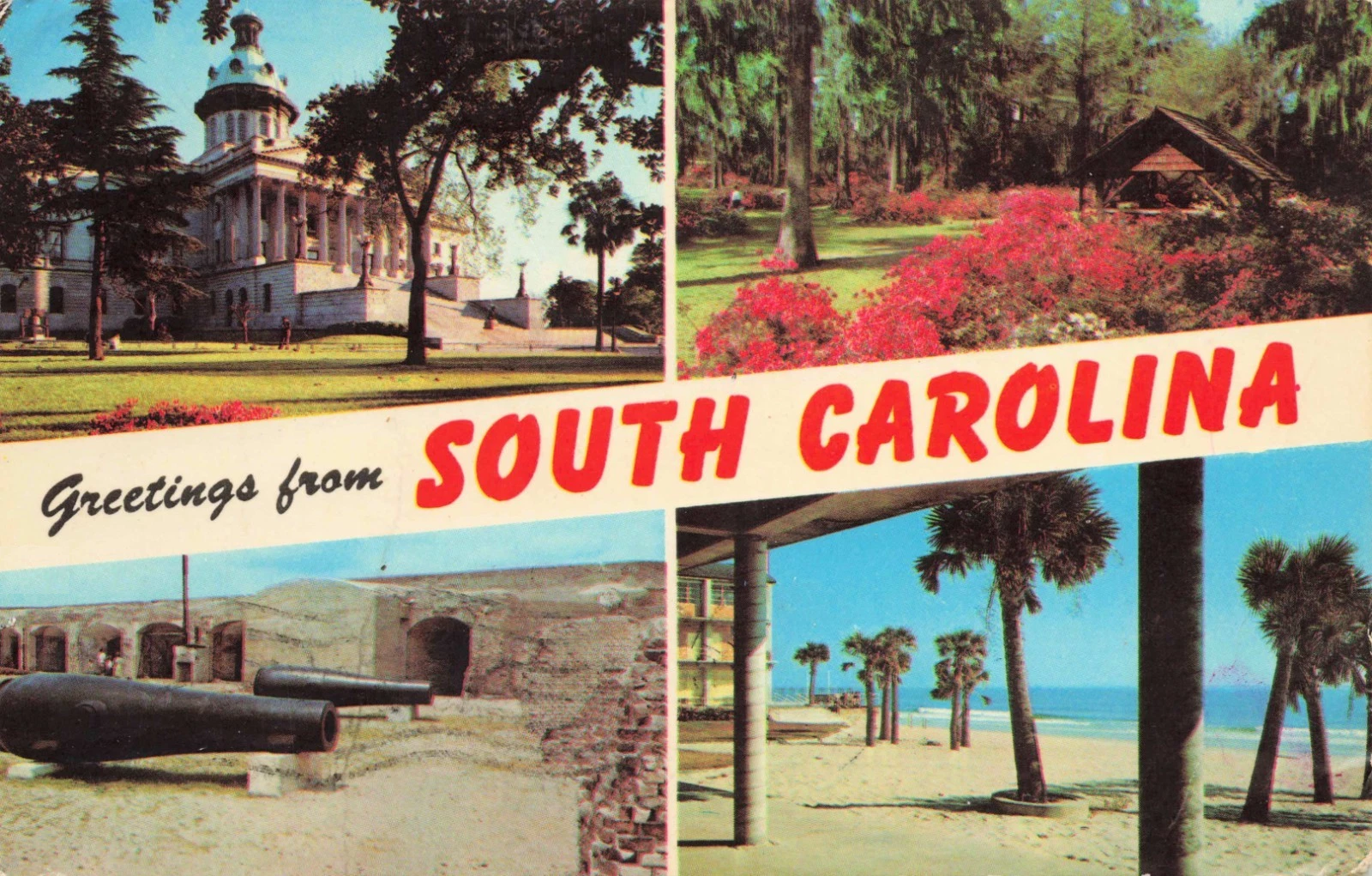
South Carolina's physical geography offers many opportunities for classroom exploration. The Blue Ridge region in the northwest contains mountains and forests. The Piedmont region has rolling hills, while the Coastal Plain includes flat land, wetlands, and sandy beaches. Students can compare these regions to understand how soil, rainfall, and landforms affect farming, wildlife, and outdoor activities. They can also study hurricanes, coastal flooding, and erosion to learn how natural events affect communities and why protecting the environment is important.
Human geography is another valuable subject. South Carolina includes cities such as Columbia, Charleston, and Greenville, as well as small towns and rural communities. Students can explore how transportation routes, rivers, and coastal ports influence settlement and economic growth. They can also learn about important industries, including tourism, agriculture, manufacturing, shipping, and forestry. These lessons show how the state's location and natural resources help support jobs and businesses.
Geography lessons can connect social studies with science, mathematics, and language arts. Students might create maps, compare population data, study weather patterns, or write reports about South Carolina's regions. These activities strengthen research, problem-solving, and critical-thinking skills.
By teaching South Carolina's geography, K-12 teachers help students develop a deeper understanding of their state and its place in the nation. Students learn to appreciate its diverse landscapes, understand environmental challenges, and recognize how people interact with the land. This knowledge encourages informed citizenship and helps young people make thoughtful decisions about their communities and natural resources.
|



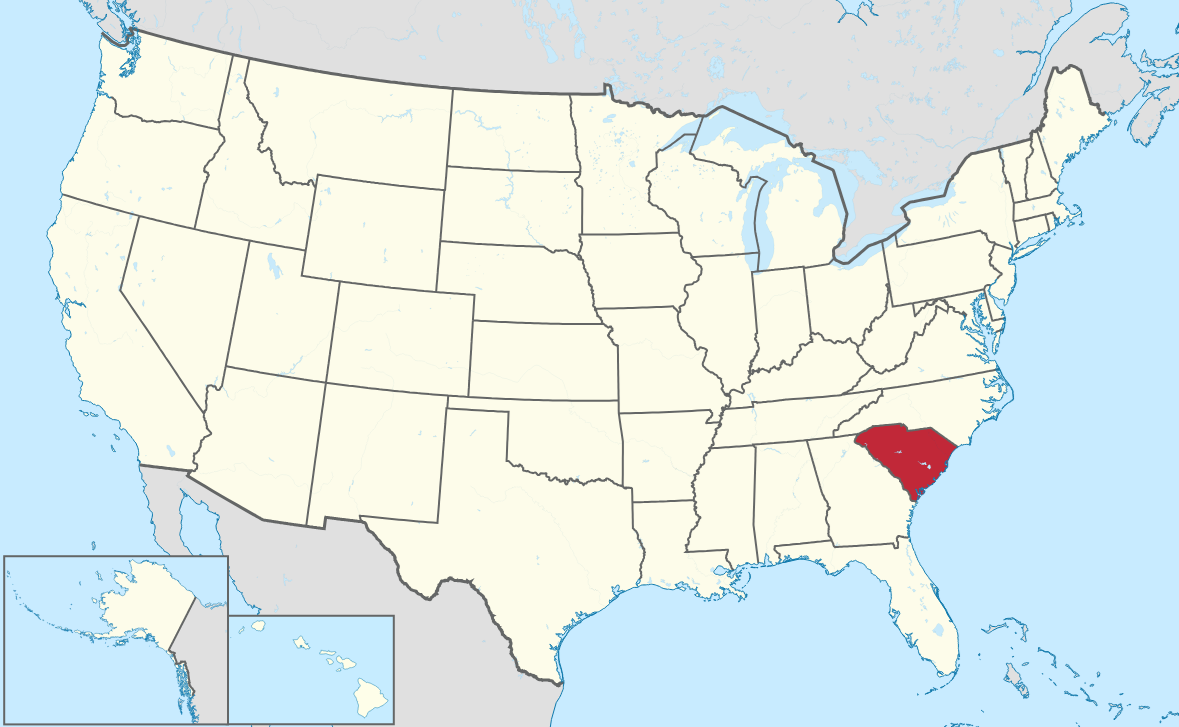
 Students can begin by locating South Carolina on a map and identifying its neighboring states, North Carolina and Georgia. They can also locate the Atlantic Ocean and important rivers, including the Savannah River and the Santee River. These activities help students practice reading maps, using directions, and understanding how geographic features connect different places.