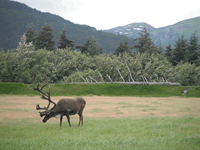
 Teaching students about the geography of Alaska helps them understand how land, climate, water, and natural resources affect people's lives. Alaska is the largest state in the United States. It is known for its tall mountains, wide forests, glaciers, rivers, and cold winters. Studying Alaska gives students a chance to explore a place that is different from many other parts of the country.
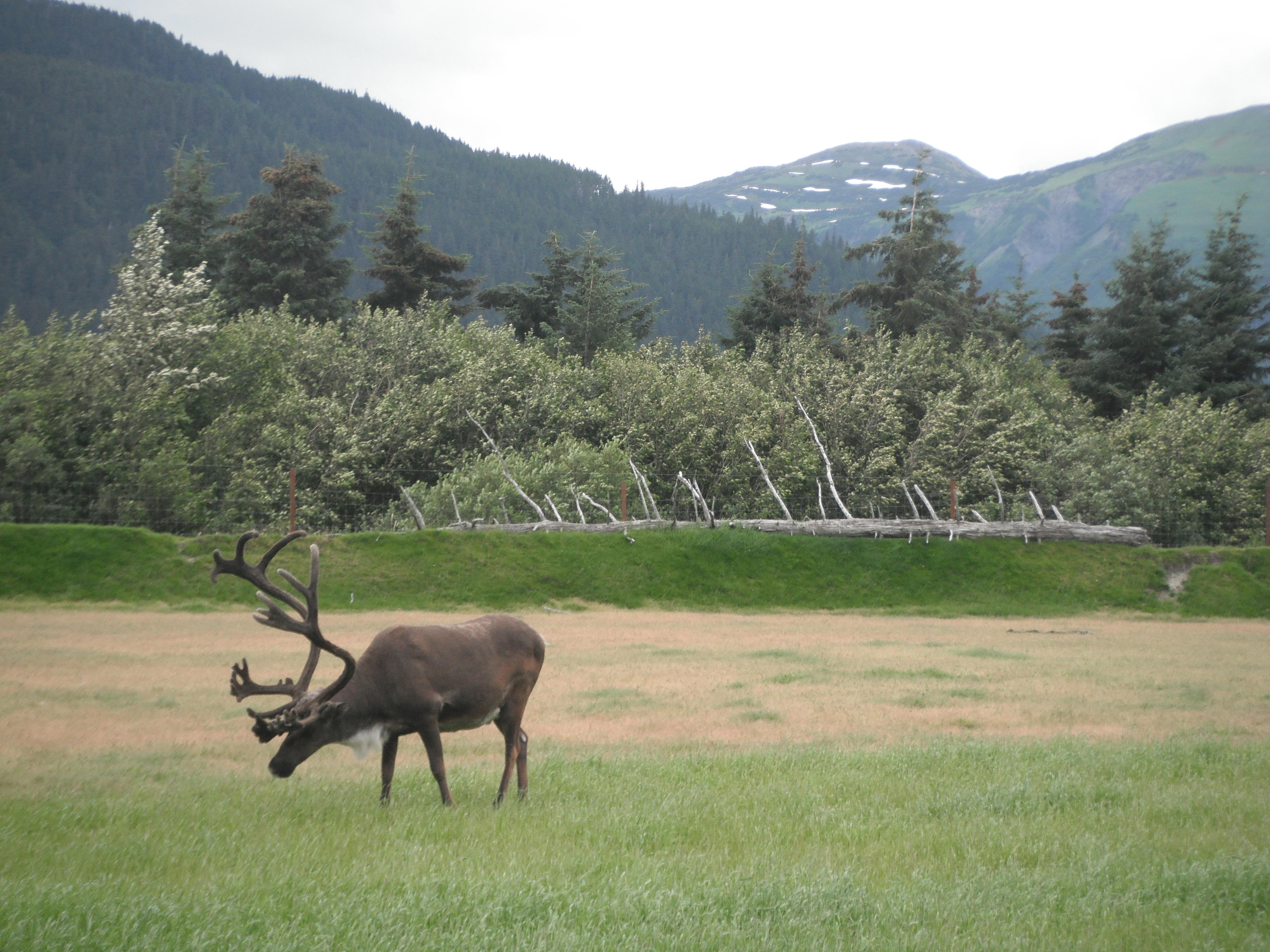
One important feature of Alaska is its varied landscape. The state includes the Alaska Range, where Denali, the highest mountain in North America, stands. Alaska also has broad plains, rocky coastlines, islands, and large areas of tundra. Teachers can use maps, photographs, and videos to help students identify these landforms. Students can compare Alaska's landscape with the mountains, plains, and coastal areas found in other states.
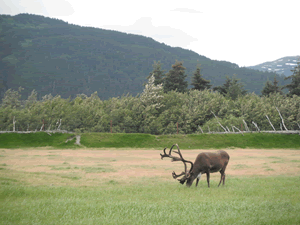 Alaska's climate is another useful topic. Many areas have long, cold winters, while some southern coastal areas have milder weather. In the far north, summer days can have many hours of sunlight, while winter days may be very short. These conditions affect transportation, housing, clothing, and daily activities. Students can learn how people adapt to different environments.
Alaska's rivers, oceans, forests, and wildlife also make it important to study. Fishing, oil production, mining, tourism, and other activities support the state's economy. Teachers can discuss how people use natural resources and why protecting the environment matters. Students can explore how climate change affects glaciers, wildlife, and coastal communities.
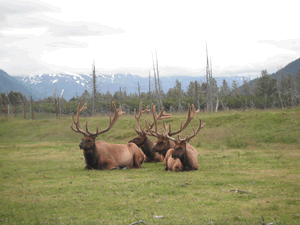 Geography lessons can also introduce students to Alaska's cities and communities. Anchorage is the state's largest city, while Juneau is the capital. Many communities are far apart, and some are difficult to reach by road. Students can use maps to understand how distance and landforms affect travel and communication.
Teaching Alaska's geography builds map-reading, research, science, and history skills. It helps students understand regional differences, respect Alaska Native cultures, and think carefully about environmental challenges. These lessons encourage curiosity about the United States and the many ways people live in different places.
|




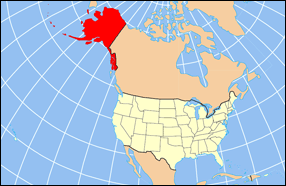
 Teaching students about the geography of Alaska helps them understand how land, climate, water, and natural resources affect people's lives. Alaska is the largest state in the United States. It is known for its tall mountains, wide forests, glaciers, rivers, and cold winters. Studying Alaska gives students a chance to explore a place that is different from many other parts of the country.
 Alaska's climate is another useful topic. Many areas have long, cold winters, while some southern coastal areas have milder weather. In the far north, summer days can have many hours of sunlight, while winter days may be very short. These conditions affect transportation, housing, clothing, and daily activities. Students can learn how people adapt to different environments.
 Geography lessons can also introduce students to Alaska's cities and communities. Anchorage is the state's largest city, while Juneau is the capital. Many communities are far apart, and some are difficult to reach by road. Students can use maps to understand how distance and landforms affect travel and communication.