 Your K-12 students should learn about Socrates because he models the power of asking questions rather than simply accepting answers. His method of relentless inquiry—examining assumptions, exposing contradictions, and pursuing definitions of justice, virtue, and knowledge—teaches students to think critically and reason carefully.
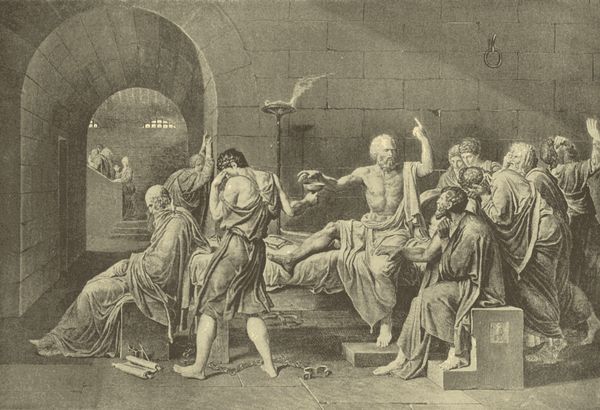
Socrates also demonstrates intellectual humility, admitting what he does not know and inviting dialogue rather than dogma. Studying his trial and death raises enduring questions about free speech, conscience, and the relationship between individuals and the state.
For your young learners, Socrates shows that philosophy is not abstract but practical: a way of examining one's own beliefs and living thoughtfully.
His influence on Plato, Aristotle, and Western thought makes him essential to understanding history, ethics, and education itself. Learning about Socrates helps your K-12 students become more curious, reflective, and courageous thinkers!
|