
| Grade 2: Reading Literature |
|---|
| www.studenthandouts.com ↣ Second Grade ↣ Grade 2 ELA ↣ Grade 2 Reading: Literature |
| Key Ideas and Details |
| CCSS.ELA-LITERACY.RL.2.1: Ask and answer such questions as who, what, where, when, why, and how to demonstrate understanding of key details in a text. |
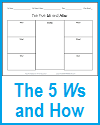 | ||||||||||
| Five Ws and How Chart Worksheet |
| CCSS.ELA-LITERACY.RL.2.2: Recount stories, including fables and folktales from diverse cultures, and determine their Central message, lesson, or moral. |
 |  |  |  |  | ||||||
| Puss in Boots Workbook | The Little Red Hen eBook and Worksheets | Assortment of Short Stories for Children | Sleeping Beauty Workbook | Proverbs Handwriting Workbook |
 |  |  |  |  | ||||||
| Nursery Rhyme Worksheets | Twelve Labors of Hercules eBook with Worksheets | Beginning of Things (Norse Mythology) | Hans in Luck Workbook | Goose Girl Workbook |
 | ||||||||||
| The Golden Bird by the Brothers Grimm |
| CCSS.ELA-LITERACY.RL.2.3: Describe how characters in a story respond to major events and challenges. |
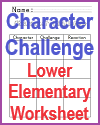 | ||||||||||
| Character Challenge Chart Worksheet |
| Craft and Structure |
| CCSS.ELA-LITERACY.RL.2.4: Describe how words and phrases (e.g., regular beats, alliteration, rhymes, repeated lines) supply rhythm and meaning in a story, poem, or song. |
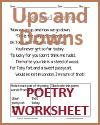 | 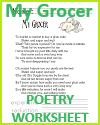 | 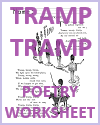 |  |  | ||||||
| "Ups and Downs" Poetry Worksheet | "My Grocer" Poem Worksheet | "Tramp, Tramp" Poem Handout | "The Omnibus" Poem Worksheet | "My Dolly" Poem Worksheet |
| CCSS.ELA-LITERACY.RL.2.5: Describe the overall structure of a story, including describing how the beginning introduces the story and the ending concludes the action. |
 |  |  |  | |||||||
| Beginning, Middle, End Worksheet | Before-and-After Chart Worksheet | Vertical Flow Chart Worksheet | Ten Steps of a Process Worksheet |
| CCSS.ELA-LITERACY.RL.2.6: Acknowledge differences in the points of view of characters, including by speaking in a different voice for each character when reading dialogue aloud. |
| Integration of Knowledge and Ideas |
| CCSS.ELA-LITERACY.RL.2.7: Use information gained from the illustrations and words in a print or digital text to demonstrate understanding of its characters, setting, or plot. |
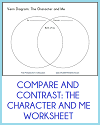 | ||||||||||
| Compare and Contrast the Character and Me Worksheet |
| CCSS.ELA-LITERACY.RL.2.9: Compare and contrast two or more versions of the same story (e.g., Cinderella stories) by different authors or from different cultures. |
| Range of Reading and Level of Text complexity |
| CCSS.ELA-LITERACY.RL.2.10: By the end of the year, read and comprehend literature, including stories and poetry, in the grades 2-3 text complexity band proficiently, with scaffolding as needed at the high end of the range. |
 | | |||||||||
| Kit-Cat Club Short Story Workbook | Tramp, Tramp Poem Handout |
|
The curriculum standard for "Reading: Literature" in second-grade Language Arts education focuses on enhancing students' comprehension and appreciation of various literary genres. Students engage with a range of texts, including stories, fables, and poems, developing their ability to identify key elements such as characters, settings, and plots. They learn to describe how characters respond to major events and challenges, which aids in understanding narrative structure and character development.
Additionally, second graders explore the use of language in literature, including figurative language and word choice, to deepen their appreciation and interpretation of texts. They are encouraged to ask and answer questions about the texts they read, fostering critical thinking and analytical skills. comparing and contrasting different stories helps them recognize themes and moral lessons. By mastering these literature standards, students build a foundation for a lifelong love of reading and develop essential literacy skills. These skills not only enhance their ability to understand and enjoy literature but also support their overall academic growth and language proficiency. |
| www.studenthandouts.com ↣ Second Grade ↣ Grade 2 ELA ↣ Grade 2 Reading: Literature |