A well-organized classroom is foundational to effective teaching and student success. When materials, supplies, and learning areas have designated places, instructional time is maximized because transitions are smoother and disruptions decrease.
 Students thrive in predictable environments; clear organization reduces anxiety, supports focus, and fosters independence as children learn to locate and return resources responsibly. Organization also promotes equity, ensuring every student can access tools without relying on chaos or confusion.
For teachers, an orderly space simplifies lesson planning, grading, and behavior management, reducing stress and burnout. Well-structured physical layouts—such as defined centers, labeled bins, and accessible libraries—encourage collaboration and hands-on learning.
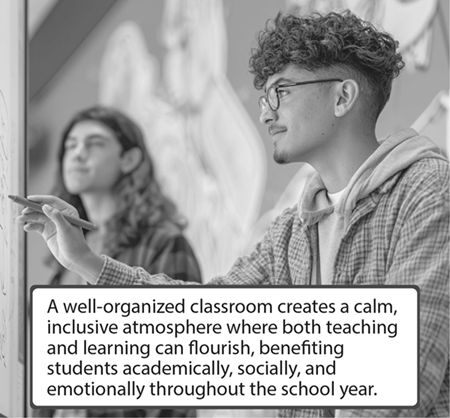
Well beyond logistics, effective classroom organization models important life skills like responsibility, time management, and respect for shared spaces. More to the point, a well-organized classroom creates a calm, inclusive atmosphere where both teaching and learning can flourish, benefiting students academically, socially, and emotionally throughout the school year.
|